


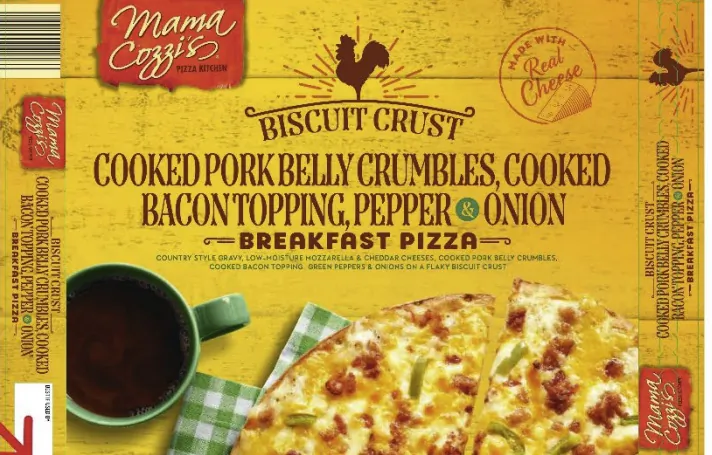
Frozen pizzas sold at Walmart have been pulled from store shelves after federal food safety officials issued a public health alert warning that the products may contain a dairy ingredient contaminated with Salmonella.
"We have issued a sales restriction and removed this product from our impacted stores," a Walmart spokesperson said in an emailed statement to numerous outlets. "We are working with the supplier to investigate." The spokesperson added that the health and safety of its customers are "always a top priority."
The problem came to light after the FDA notified the agency that multiple meat and poultry establishments had used a dry milk powder ingredient that had since been recalled. The agency said it expects additional products to be identified as the ingredient recall continues to unfold and urged consumers to check back often for updates.
There have been no confirmed reports of adverse reactions linked to the affected meat and poultry products. Still, FSIS warns consumers who may have purchased the items not to eat them. Retailers that received the products were told not to serve or sell them. Anyone with one of the affected products is advised to throw them away or return them to the store.
Salmonella infections, known medically as salmonellosis, are among the most common bacterial foodborne illnesses in the United States. Symptoms typically appear between six hours and six days after eating contaminated food and can include diarrhea, abdominal cramps, and fever. Most people recover within four to seven days without medical treatment.
However, the illness can turn serious for certain sensitive groups. Older adults, infants, and people with weakened immune systems face a higher risk of developing severe complications.