


AquaStar Corp. has expanded its recall of frozen shrimp sold at major grocery chains nationwide, citing potential contamination with cesium-137, a radioactive isotope that carries long-term health risks.
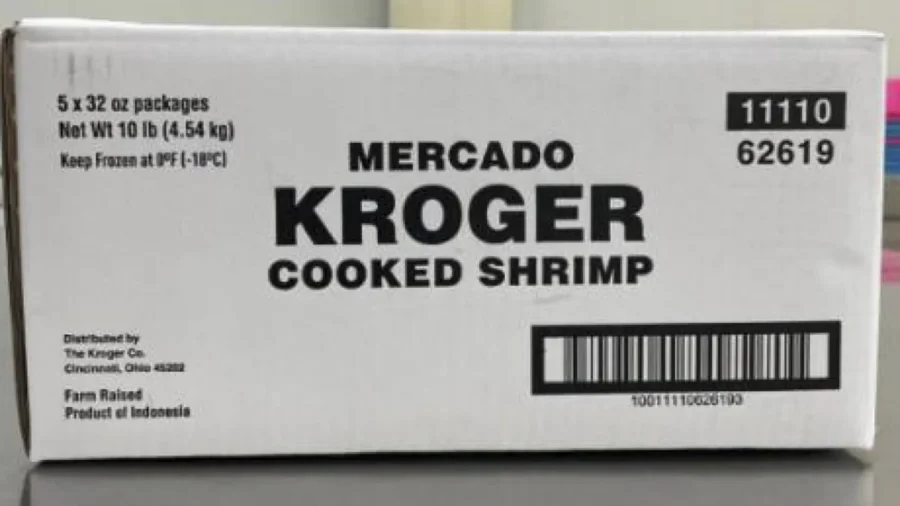
The Seattle-based seafood distributor announced Saturday it was recalling around 157,000 additional pounds of shrimp products distributed to Kroger-affiliated stores across more than 30 states. The recall affects nearly 50,000 bags of Kroger Raw Colossal EZ Peel Shrimp, about 18,000 bags of Kroger Mercado Cooked Medium Peeled Tail-Off Shrimp, and more than 17,000 bags of AquaStar Peeled Tail-on Shrimp Skewers.
The contaminated products were distributed between June 12 and Sept. 17 to grocery chains including Baker's, City Market, Dillons, Food 4 Less, Foodsco, Fred Meyer, Fry's, Gerbes, Jay C, King Soopers, Kroger, Mariano's, Metro Market, Pay Less Supermarkets, Pick 'n Save, Ralph's, Smith's and QFC across 41 states.
Cesium-137, described by the FDA as "a man-made radioisotope of cesium," is created through nuclear reactions and commonly used in medical and industrial applications. The radioactive material can accumulate in environments affected by nuclear accidents, such as those at Chernobyl in 1986 and Fukushima in 2011.
Federal investigators found cesium 137 in shipping containers from BMS Foods sent to multiple U.S. ports, as well as in samples of frozen breaded shrimp. The contamination level measured about 68 becquerels per kilogram, well below the FDA's threshold of 1,200 becquerels per kilogram that would trigger an immediate response.
The agency said immediate risks remain low but that exposure to low doses over extended periods "may not cause immediate apparent adverse effects but may still be harmful."
The contamination appears to be linked to industrial operations at the Indonesian facility where BMS Foods processes shrimp. Officials suspect contaminated metal at the site may be responsible, with the International Atomic Energy Agency suggesting activities at a smelting facility or improper disposal of scrap metal could be the cause.
In response to the contamination, the FDA issued an import alert on Sept. 18 to prevent potentially contaminated products from entering U.S. commerce. The alert specifically targets PT. Bahari Makmur Sejati and PT Natural Java Spice, both Indonesian companies now subject to detention without physical examination.
Despite import restrictions, more than 3 million pounds of shrimp exported by BMS Foods arrived at U.S. ports in September, according to U.S. Customs and Border Protection records.
The FDA stressed that none of the shrimp products that tested positive for cesium 137 or triggered contamination alerts were released for to be sold at retailers.
Consumers who purchased the affected shrimp should not eat them and throw them away or return them to stores for full refunds. No illnesses related to the contamination have been reported to date.
Customers with questions can contact AquaStar Corp. at 1-800-331-3440, Monday through Friday, 8 a.m. to 5 p.m. PT.