


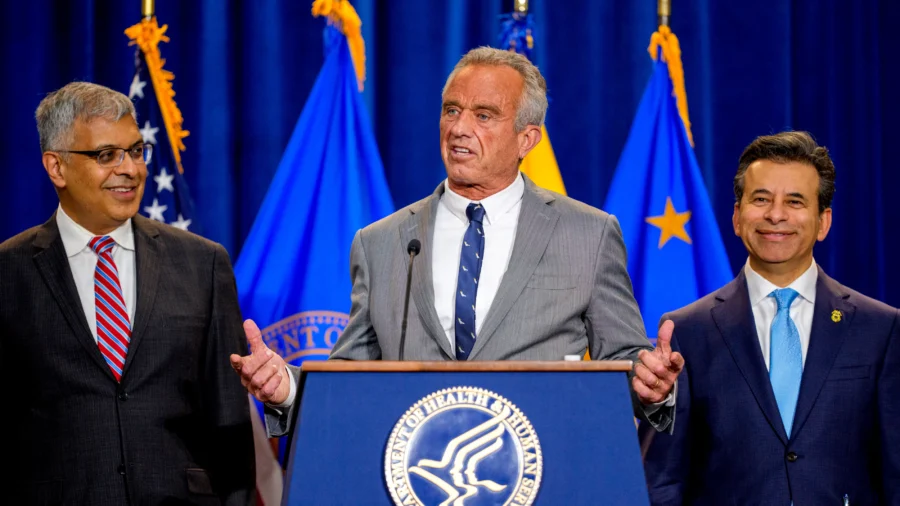
The Trump administration revealed a series of new measures to phase out all petroleum-based synthetic dyes from the nation's food supply by the end of next year.
The move is "existential" to our country and marks a major step toward the administration's broader initiative to Make America Healthy Again, according to Health and Human Services (HHS) Secretary Robert F. Kennedy, Jr.
"Nobody wants to eat petroleum," the HHS secretary said. "Everybody knows, there's enough science out there to know it's terrible for you. It causes health problems, but also behavioral problems."
The dyes, which give food a bright and vibrant hue, are commonly used in products marketed to children such as candy, cereals, and soda. The coloring is also used in some medications.
In the United States, 41 percent of children have at least one health condition, and one in five children are on medication, according to FDA commissioner Marty Makary.
"America's children are sick and suffering," Makary said.
"For the last 50 years, American children have increasingly been living in a toxic soup of synthetic chemicals," Makary added. "The scientific community has conducted a number of studies raising concerns about the correlation between petroleum-based synthetic dyes and several health conditions," including obesity, attention deficit disorder, and cancer, among others.
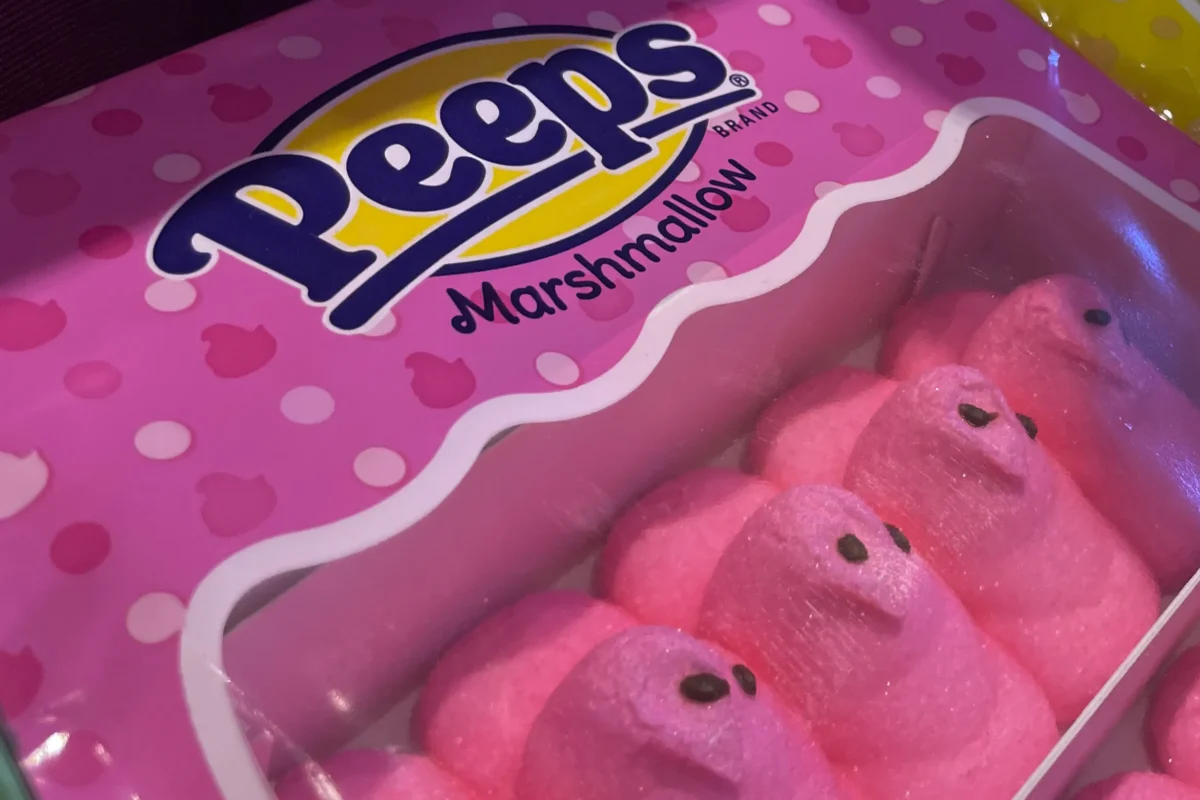
The FDA will also initiate the process to revoke authorization for food colorings Citrus Red No. 2 and Orange B within the coming months. As part of the new initiative, the agency plans on working closely with the food industry to eliminate six remaining synthetic dyes from the food supply by the end of next year. This includes Green No. 3, Red No. 40, Yellow No. 5, Yellow No. 6, Blue No. 1, and Blue No. 2.
The FDA will also authorize four new natural color additives in the coming weeks and speed up the review and approval of others.
Finally, the agency will partner with the National Institutes of Health (NIH) to conduct comprehensive research on how food additives impact children’s health and development.
Officials acknowledged that the federal government and food industry don't have an official agreement to ensure the new guidelines are followed, but said that companies are eager to eliminate food dyes and have expressed willingness to do it.
"We don't have an agreement, we have an understanding," Kennedy said.
The FDA commissioner added that the government is "exploring every tool in the toolbox" to phase out the synthetic dyes from the nation's food supply without statutory and regulatory changes.