


U.S. household utility bills appear to be rising again in early 2026, after years of surging energy costs.
According to the U.S. Energy Information Administration, the average residential utility bill is up approximately 37 percent from 2020.
“Utility bills aren't just creeping up; they’re sprinting,” Greg Field, owner and senior energy consultant at PGT Home Energy Solutions, told NTD News. “In Arizona, Field says residents are feeling the squeeze harder than most, which is helping trigger a national crisis. “From the 115-degree heat in Arizona to the bone-chilling winters in the Midwest, the cost of keeping a home comfortable is reaching a breaking point,” he said.
Why Utility Prices are Still Rising
Energy costs are hitting consumers hard in the pocketbook, and there are multiple reasons why.
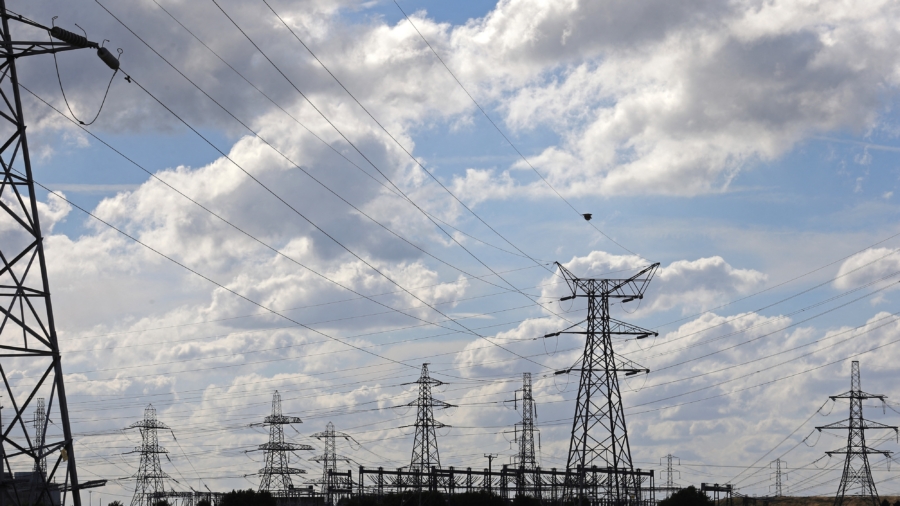
Aging grid modernization. Much of the U.S. electrical grid was built in the 60s and 70s. “Now, the grid is reaching its expiration date,” Field said. “Utilities are spending billions to replace transformers and power lines. Nationally, 70 percent of transmission lines are over 25 years old. Those costs land right on the consumer's doorstep.”
Data center explosion. The surge in AI and data centers is massive, with energy facilities drawing significant power 24/7. “Whether it’s a regional data hub in Virginia or a new facility in the Valley, the increased load puts a premium on every kilowatt-hour, especially during peak hours,” Field noted.
Fuel volatility. Natural gas still powers a huge chunk of peak demand across the country, and that’s a problem. “Price fluctuations in natural gas, which jumped significantly early this year, hit energy bills instantly, regardless wof here one lives,” Field added.
Here’s How To Cut Your Energy Bill
Consumers don’t have to accept high utility prices. Take these energy-saving steps to take the sting out of high prices.
Go the LED route
One major step any homeowner can take to reduce energy costs is to replace incandescent bulbs with LEDs.
“The light quality from LEDs is equivalent or better than incandescent,” David Borchardt, senior mechanical engineer at MD Energy Advisors, told NTD News. “Many people think that LEDs have harsh blue light, but that problem no longer exists, and you can now get bulbs that give you the same warm light you are used to from incandescent bulbs.”
Replacing one 60-watt bulb with an 8-watt LED can reduce costs and improve energy efficiency. “If you replace all the bulbs in your house, it will save you over $225 dollars a year, depending on your energy cost,” Borchardt noted. “LEDs last longer and, in many locations, the local utility has rebates, so check with your local utility.”
Set energy times for peak or low energy use periods
Utility timers and smart switches that turn lights on and off based on the time of day and season can save energy by operating only when needed. “In addition, using motion sensor lights for outside lighting is a great way to ensure the lights only turn on when someone is nearby,” Borchardt noted.
Plug Into An energy audit
Stop guessing where the air is going and find out for sure. “A professional energy audit can find the invisible leaks,” Field advised. “If your insulation is thin or your ductwork is leaking, you are literally throwing money into the wind. This is just as true for a drafty colonial in New England as it is for a ranch in Phoenix.
Leverage thermal envelope sealing
Seal any energy gaps by using weatherstripping on doors and caulk around windows. “A 1/8-inch gap under your front door is like having a 5-inch hole in your wall,” Field said.
Gain a grid-charged battery advantage
One of the most effective tools hitting the market right now is the grid-charged battery. “You don’t need solar panels to make this work,” Field noted. “In states with aggressive time-of-use rates or demand-based plans, like what we see in Arizona, a battery is a game-changer.”
The strategy is simple, Fields said. “Just program the battery to charge from the grid at night when rates are at their lowest,” explained. “When the expensive on-peak window hits in the afternoon, the battery takes over. Your home stops pulling from the grid entirely during those high-cost hours.”
For on-demand plans, where a single 15-minute usage spike (e.g., an air conditioner, dryer, and oven running at once) can set your bill for the whole month, the battery acts as a shock absorber. “It shaves those peaks by discharging power the second your usage climbs, keeping your metered demand low and your bill predictable,” Field added.
The views and opinions expressed are those of the interviewees. They are for general informational purposes only and should not be construed as a recommendation or solicitation. NTD does not provide investment, tax, legal, financial planning, estate planning, or any other personal finance advice. NTD holds no liability for the accuracy or timeliness of the information provided.