


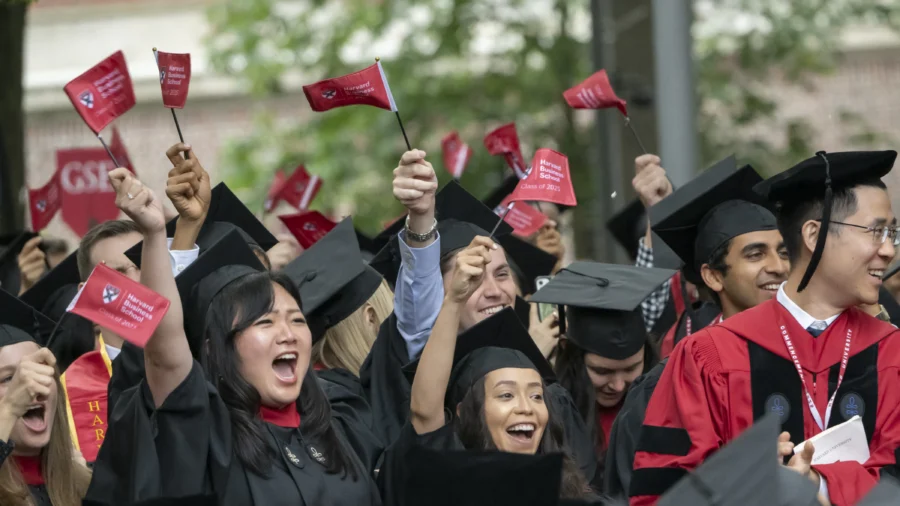
Employers are bracing for 2026 to deliver the toughest job market for college graduates in five years, with more than half (51 percent) of surveyed 183 employers rating the job market as poor or fair.
This represented the worst outlook for employment conditions since the onset of the pandemic.
They also project a tepid 1.6 percent increase in hiring for the Class of 2026. Only a quarter of employers plan to bolster their hiring efforts next year, while 14 percent expect to reduce the number of new hires. Sixty percent project to maintain the same level of hires in the year ahead.
Recruiting for full-time college hires generally begins in the fall or earlier. By spring, employers have a better grasp of their hiring outlook, though recent years have seen spring projections scaled back from initial autumn expectations.
Respondents—interviewed from Aug. 7 to Sept. 22—cited a decline in business needs, uncertain economic conditions, budget cuts, and inflation as the primary factors driving a decrease in hiring, researchers found.
Conversely, employers listed company growth, growing demand for their goods and services, and the importance of talent pipeline as reasons for expanding hiring plans. The anticipated increase in the number of retirements is another aspect that will boost personnel.
AI’s Impact on Gen Z
Despite growing signs of artificial intelligence (AI) having an impact on entry-level employment, 61 percent of employers noted that they are not replacing junior roles with the new technology.Twenty-five percent of employers were uncertain whether they would be replacing entry-level roles with AI, while 14 percent said they were actively discussing the possibility.
This is in contrast to research indicating that the AI revolution is beginning to have an effect on young workers who have recently embarked on their new careers.
Using data from private payroll processor ADP, researchers at the Stanford University Digital Economy Lab determined that "early career workers (ages 22–25) in the most AI-exposed occupations have experienced a 16 percent relative decline in employment.”
Some of this could be viewed in employment data.
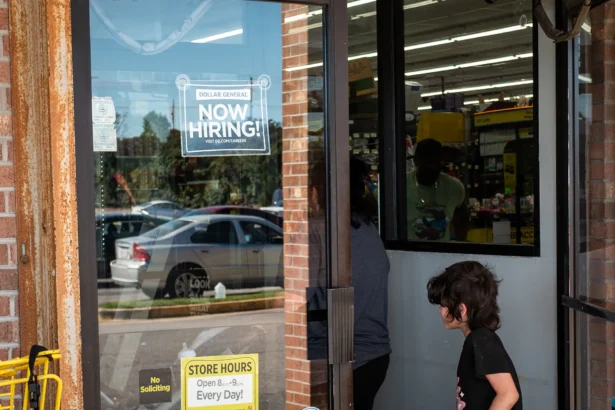
This has coincided with the explosive growth in generative AI.
"So far, there is not a clear trend toward steeper hiring slowdowns for job roles that are thought to be more exposed to AI," the report stated.
In fact, employers are searching for prospective employees with AI skills.
"The share of full-time job descriptions on Handshake that mention generative AI has increased almost five times since 2023, and the share of internship descriptions has increased more than four times," the report said.
Past economists have typically associated new technology with new economic opportunities.
Austrian economist Joseph Schumpeter advanced the theory of "creative destruction," which posits that innovative technology will destroy existing jobs and industries, but will also create new ones.Despite AI's impact on entry-level employment, 61 percent of employers noted that they are not replacing junior roles with AI.
For now, it is too early to determine whether AI-driven anxieties are justified, economists at The Yale Budget Lab said.