


Just weeks before the 2026 FIFA World Cup kicks off in June, the U.S. hospitality industry says the tournament is not driving as many hotel bookings as expected.
The survey, based on responses from 205 AHLA members across all 11 U.S. host markets—Atlanta, Boston, Dallas, Houston, Kansas City, Los Angeles, Miami, Greater New York City, Philadelphia, San Francisco, and Seattle—found that many hotel operators described the tournament as a “non-event” for bookings in their cities.
Specifically, about 70 percent of hoteliers in San Francisco, Seattle, Philadelphia, and Boston said the booking pace was below expectations, according to the survey. More than 60 percent of respondents in Los Angeles, New York City, Houston, and Dallas said the same.
Kansas City emerged as the most negatively affected U.S. host market in the survey, with bookings running below even what hotels would typically expect for June or July.
The only exceptions were Miami and Atlanta. The strongest performer was Miami, which already benefits from strong leisure travel demand, with about 55 percent of respondents reporting booking pace ahead of both World Cup expectations and typical summer benchmarks. Atlanta’s performance was driven largely by team base camps, the survey said.
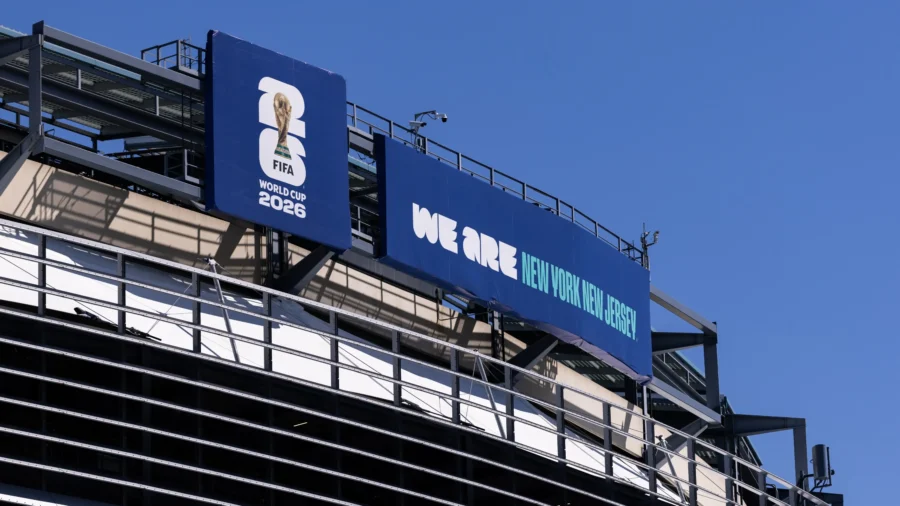
The report also highlighted Greater New York City, which is scheduled to host eight matches during the tournament, including the July 19 final at New Jersey’s MetLife Stadium—now temporarily rebranded as New York New Jersey Stadium. The New York-New Jersey host committee projected last summer that the games would draw 1.2 million visitors to the region and generate $3.3 billion in economic output.
The survey, however, found that roughly two-thirds of New York City respondents reported softer-than-expected World Cup bookings, though demand remained in line with a normal summer. More than 60 percent of respondents there cited international travel barriers and geopolitical concerns as factors weighing on bookings.
Transportation costs have also become a flashpoint in the New York-New Jersey market. NJ Transit, the state enterprise that operates rail and bus service connecting both sides of the Hudson River, is charging $150 for round-trip train tickets to MetLife Stadium for World Cup spectators. State leaders have defended the fare, saying visitors—not New Jersey taxpayers—should shoulder the estimated $48 million cost of moving fans to and from the eight matches.
While several factors have softened demand, “there is still meaningful opportunity ahead” surrounding the event, AHLA President and CEO Rosanna Maietta said in a statement.
AHLA also criticized several proposed or planned local cost increases tied to the tournament. New Jersey is considering a sales tax increase around the stadium and higher fees elsewhere in the state in a bid to raise revenue from World Cup matches, while Philadelphia plans to hike its hotel tax from 8.5 percent to 10.5 percent. AHLA called such moves “short-sighted,” saying they could deter tourism and create operational challenges for hotels.
Meanwhile, a separate report by commercial real estate data firm CoStar found that hoteliers in Mexican and Canadian host cities are experiencing similar concerns. According to CoStar, occupancy on the books in Mexico City remains unusually low, below 30 percent, while hotels in the Toronto area are also not outperforming expectations.
In total, Mexico and Canada will host 26 of the 104 World Cup matches, while the United States will host the remaining 78, including the final eight matches.