


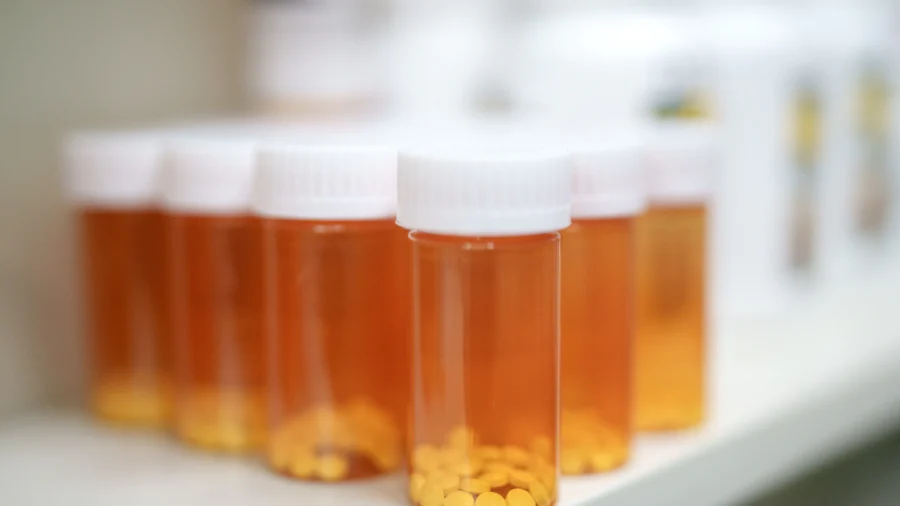
The enforcement effort, known as Operation Meltdown, targeted a criminal network allegedly responsible for at least six fatal overdoses and four non-fatal overdoses in the United States, according to the DEA. The organization has been under investigation by the agency since 2022.
Starting Jan. 27, DEA field offices across the country executed a series of coordinated operations, leading to the arrest of four suspects, the seizure of over 200 website domains, and enforcement measures against registered pharmacies.
In addition, the DEA issued five Immediate Suspension Orders and one Order to Show Cause—legal measures intended to immediately stop pharmacy operations deemed an imminent threat to public health or safety.
The online pharmacies filled hundreds of thousands of orders for controlled substances and counterfeit pills without valid prescriptions, violating the Controlled Substances Act. The operators then shipped medications directly to customers throughout the United States, bypassing safeguards intended to protect patients.
U.S. law requires pharmacies to dispense controlled substances only with a valid prescription for a legitimate medical purpose, issued by a licensed practitioner.
According to the DEA, the criminal network intentionally bypassed legal safeguards, allowing dangerous drugs to flood American communities. Investigators identified thousands of individuals who bought medication through illegal websites.
“This case demonstrates how foreign-based traffickers exploit our healthcare system, hide behind the internet, and use people inside the United States to move dangerous drugs under the guise of legitimate commerce,” DEA Administrator Terrance Cole said. “Illegal online pharmacies put poison in American communities. They sell counterfeit and unapproved pills and do not care who gets hurt or who dies.”
According to Cole, the DEA intends to pursue everyone involved in the operations, from website operators to money movers and shippers, warning they would be held accountable under U.S. law.
Many of the shuttered websites used professional designs and U.S.-based web addresses to appear legitimate.
Some falsely claimed to be FDA-approved or based in the United States; however, investigators found they were often linked to drug traffickers supplying counterfeit pills containing fentanyl or methamphetamine.
The DEA also said it is working with Indian law enforcement partners to dismantle illicit pharmaceutical supply chains.