


Mom always said, "Eat your vegetables."
And if new research has anything to say, it's that mom was right.
The research, published in BMC Gastroenterology magazine, "reviewed data from 17 different studies and 97,595 participants who self-reported their intakes of cruciferous vegetables."
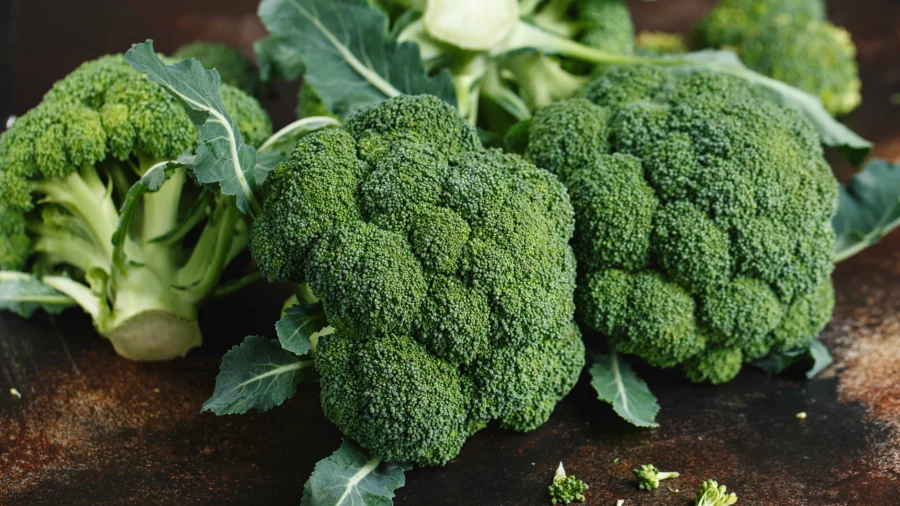
Consumption of 40 to 60 grams of cruciferous vegetables per day, which amounts to about 1/2 cup of broccoli or two to three cups of raw kale, could lower one's risk of developing colon cancer by nearly 20 percent, according to study co-author Dr. Elizabeth Harris.
Food scientist Jennifer Pallian, who also contributed to the study, said cruciferous vegetables are generally nutritious and that they are fiber-packed and also contain vitamin C, carotenoids, and flavonoids, and "may contribute to enhanced gut health, reduced inflammation, and antioxidant protection."
In addition to cauliflower and broccoli, other cruciferous vegetables include Brussels sprouts, cabbage, kale, collard greens, kohlrabi, mustard greens, rutabaga, turnips, bok choy, and Chinese cabbage. Other related vegetables that can help include arugula, radish, horseradish, watercress, and wasabi, writes Pallian.
These vegetables, and the bioactive compounds within them, can also aid in cancer cell death, the blocking of new blood vessels that feed tumors, and cell cycle arrest to prevent uncontrolled cell multiplication, notes Pallian.
Ultimately, these bioactive compounds are believed to destroy or slow the growth of cancer cells, concludes co-author Harris.
Pallian, meanwhile, offered up some delicious dish ideas for those wanting to incorporate more cruciferous veggies into their daily routine.
"For a quick and crispy side, toss some broccoli in the air fryer with olive oil and spices. If you’re craving takeout vibes, a simple beef and broccoli stir-fry comes together in minutes and makes a balanced dinner," Pallian said.
"Roasted cauliflower and kale with chickpeas and a tangy yogurt dressing is hearty enough to stand on its own as lunch, while classic cabbage coleslaw, whether you go creamy or lighter with yogurt, always hits the spot.”
Another co-author of the study, Dr. Supriya Rao, a board-certified gastroenterologist with Integrated Gastroenterology Consultants, stated in the Prevention article that eating a variety of these crunchy plants can be beneficial, as "(s)mall changes add up over time."