



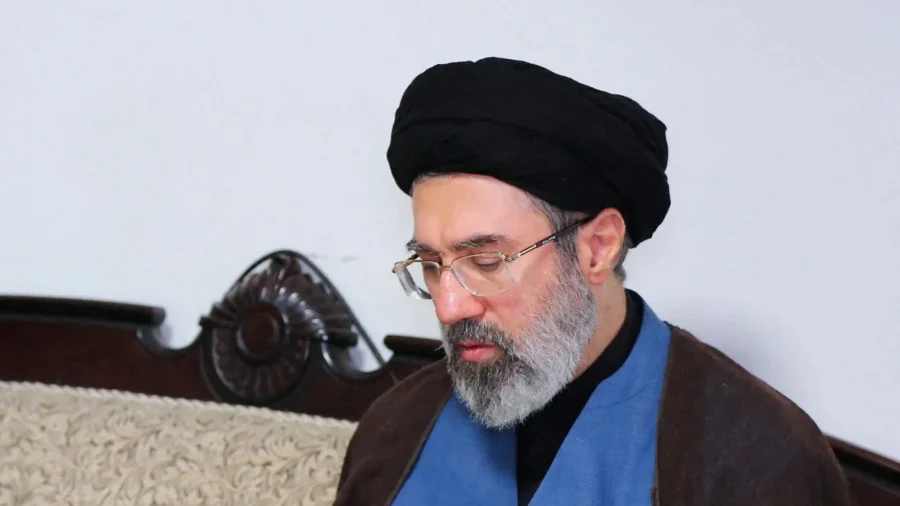
U.S. Secretary of War Pete Hegseth said on March 13 that Iran’s newly appointed supreme leader, Mojtaba Khamenei, is “wounded and likely disfigured.”
“He put out a statement yesterday, a weak one, actually, but there was no voice, and there was no video. It was a written statement,” Hegseth said at a Pentagon press briefing.
Hegseth questioned the decision to release a written message rather than an audio or video address.
“Iran has plenty of cameras and plenty of voice recorders. Why a written statement? I think you know why,” he said. “His father is dead, he’s scared, he’s injured, he’s on the run, and he lacks legitimacy.”
The Israeli official said the extent of Mojtaba Khamenei’s injuries remains unclear.
In the statement, Khamenei said Iran would pursue an extended campaign of retaliation.
“I assure everyone that we will not refrain from avenging the blood of our martyrs,” he said, adding that each civilian death would be treated as a separate case requiring revenge.
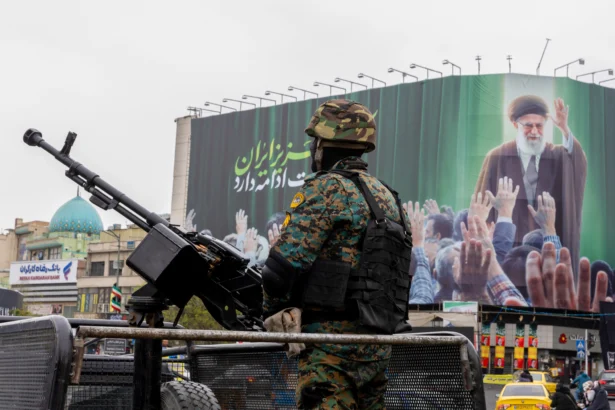
He also emphasized the strategic importance of the Strait of Hormuz—a vital global shipping route through which roughly one-fifth of the world’s oil passes—indicating that Iran will continue to exert pressure on international maritime traffic.
“The lever of closing the Strait of Hormuz must certainly continue to be used as well,” he said.
Khamenei also said Iran had studied “opening other fronts in which the enemy has little experience and would be highly vulnerable.”
He praised Iranian forces for resisting what he described as foreign aggression and thanked fighters who had “blocked the enemy’s path with their powerful blows.”
Mojtaba Khamenei is Iran’s third supreme leader since the 1979 Iranian Revolution established the country’s current Islamic political system.
“I was disappointed because we think it’s going to lead to just more of the same problem for the country,” Trump said at a news conference at Trump National Doral Golf Club in Miami.