


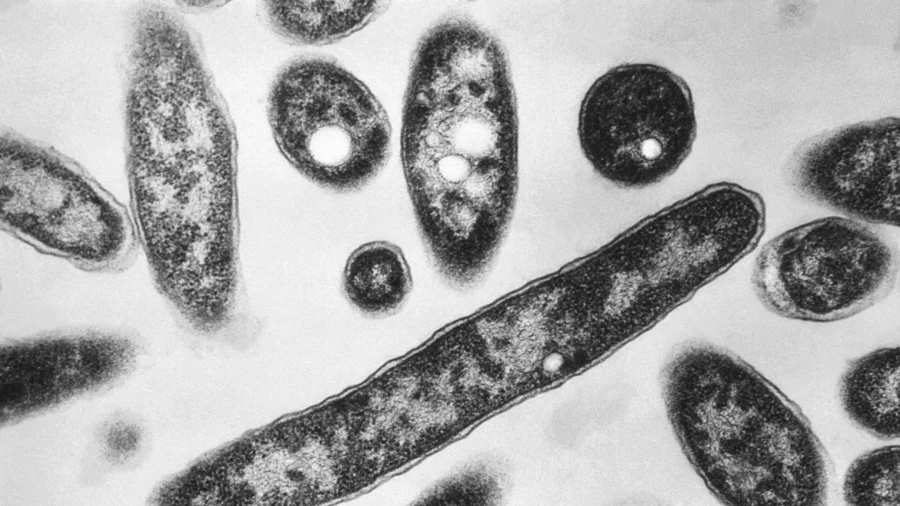
New York City health officials are continuing to investigate a cluster of cases of Legionnaires’ disease, a serious bacterial lung infection, that has sickened at least 83 people and led to 21 hospitalizations and three deaths.
Health officials suspect the bacteria that cause the disease, Legionella, originated in a cooling tower—a device that uses water to cool large buildings and then disperses mist into the air. If the water inside becomes too warm, stagnant, or isn’t properly disinfected, Legionella can grow and sicken people who inhale the mist.
The disease cannot be spread from person to person.
Since the first cases were announced on July 25, New York City’s health department said it tested “dozens” of cooling towers in Central Harlem, where the cases were reported. Building owners with towers that tested positive in initial screenings were directed to carry out cleaning efforts, including a chemical that kills the bacteria.
Legionnaires’ disease causes flu-like symptoms, including cough, fever, headaches, muscles aches, and shortness of breath. It’s treatable with antibiotics, but if left untreated, it can cause shock and multi-organ failure, according to the WHO. About 10 percent of people who get Legionnaires’ die from complications of their illness, according to the U.S. Centers for Disease Control and Prevention, and it’s more dangerous for older adults and people with weakened immune systems.
Around 6,000 Legionnaires’ disease cases are reported each year in the United States, according to the Occupational Safety and Health Administration, but reported totals may be lower than the actual cases in part because it can be difficult to distinguish Legionnaires’ disease from other types of pneumonia.