



SAVANNAH, Ga.—Peach State voters sent two Republican candidates, President Donald Trump-endorsed Georgia Lt. Gov. Burt Jones and billionaire businessman Rick Jackson, to a runoff in Georgia’s gubernatorial primary contest on May 19.
Jones and Jackson received 37 percent and 34 percent of the vote, respectively, when the Associated Press called the runoff at 8:50 p.m. ET, failing to garner more than 50 percent of the vote in what became a costly contest for the GOP field.
Georgia's Secretary of State Brad Raffensperger won 14 percent of the vote.
The runoff election is set for June 16. Republicans are looking to retain the governor's office, with the party winning every election to the post since 2002.
The Epoch Times spoke with about two dozen Republican voters on election day who were mixed in selecting their top candidate to lead the state.
Many spoke off the record to disclose who they voted for.
Others were passionate in making known their support for their choice for governor, such as Joe Kaminski in St. Marys, Georgia, who cast his ballot at rural Agape Church for none of the three candidates that received the most votes in the primary.
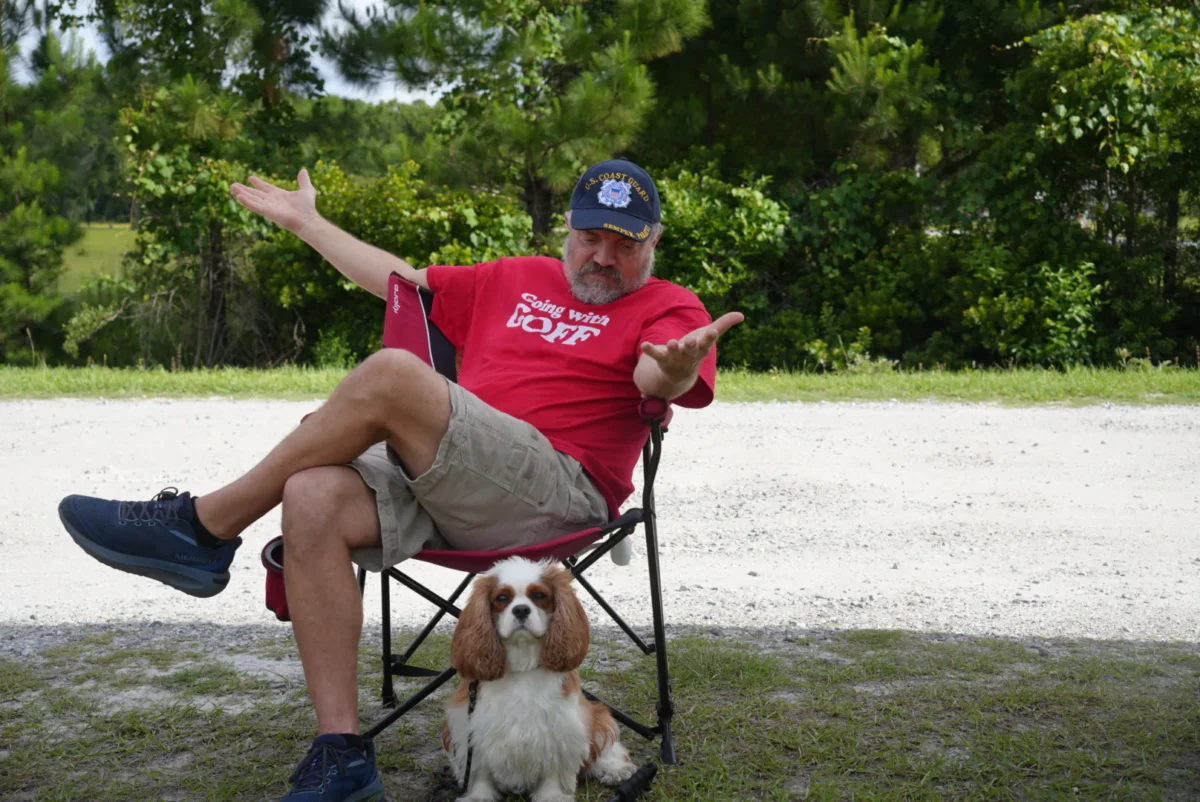
“They’re older folks, and there’s no [youngsters],” Kaminski said, sitting with his dog Kirby, of the majority of the eight-Republican field. “We need a younger, non-professional.”
For Kaminski, that was GOP gubernatorial candidate Ken Yasger, 37, who served in the U.S. Army and Georgia Army National Guard for more than 12 years combined.
Kaminski wanted Yasger to be the primary winner because he’s young and doesn’t come from “generational” money, referring to Jones, Jackson, and Raffensperger.
“Those seniors are the ones that you know about. These young guys and girls as well that are qualified, you don’t know about,” Kaminski said.
Outside Agape Church on primary election day, Kaminski was signing for a local candidate for a Camden County commission seat, Clayton Ben Goff, who told The Epoch Times his choice to run was an easy one.
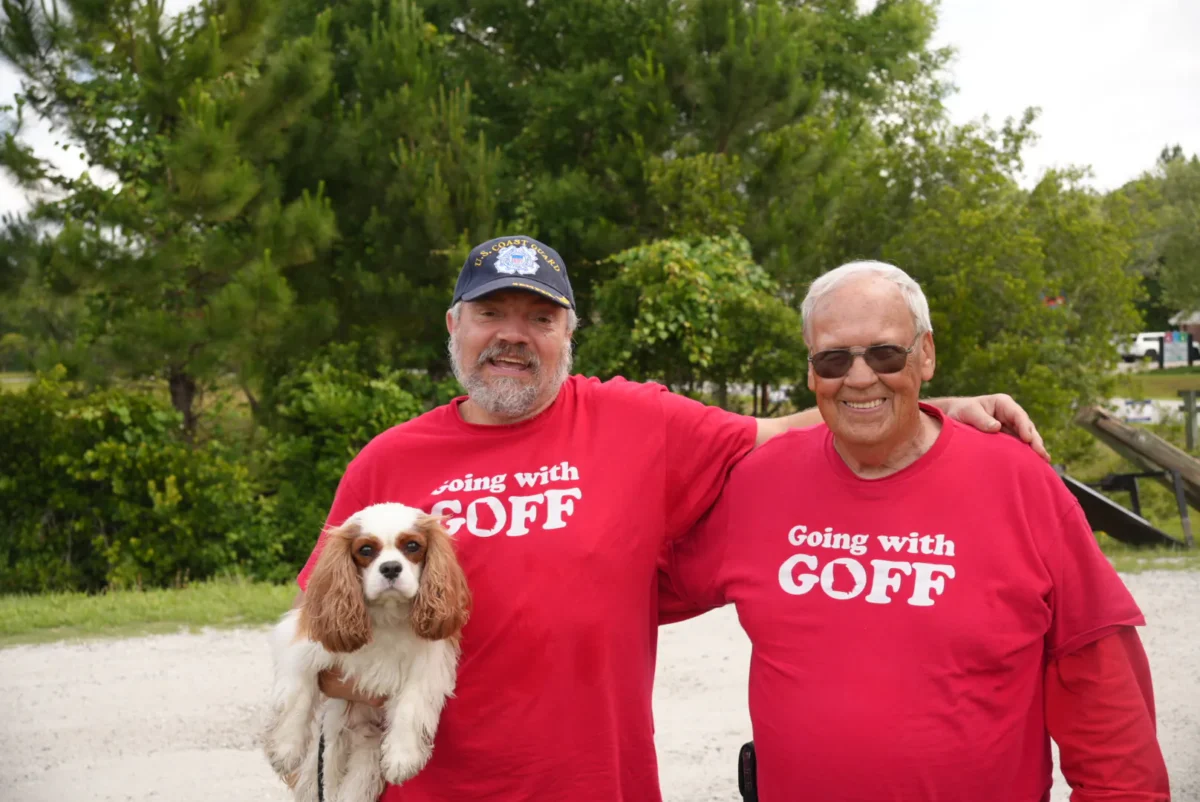
“I got a personal letter from him,” Goff said about Jackson.
When asked why he was running to be a county commissioner, he joked because he “didn’t have anything else to do,” and added that he’d like to help solve budget issues facing his county.
Richard Willis, who cast his ballot at Blythe Island Baptist Church in Brunswick, shared Goff’s concern about financial responsibility, except on a statewide scale, and the responsibility of voters in choosing the correct candidate to solve these problems while keeping both sides of the political spectrum content.
He declined to share which GOP candidate he voted for, but said the top three, Jackson, Jones, and Raffensberger, were solid choices.
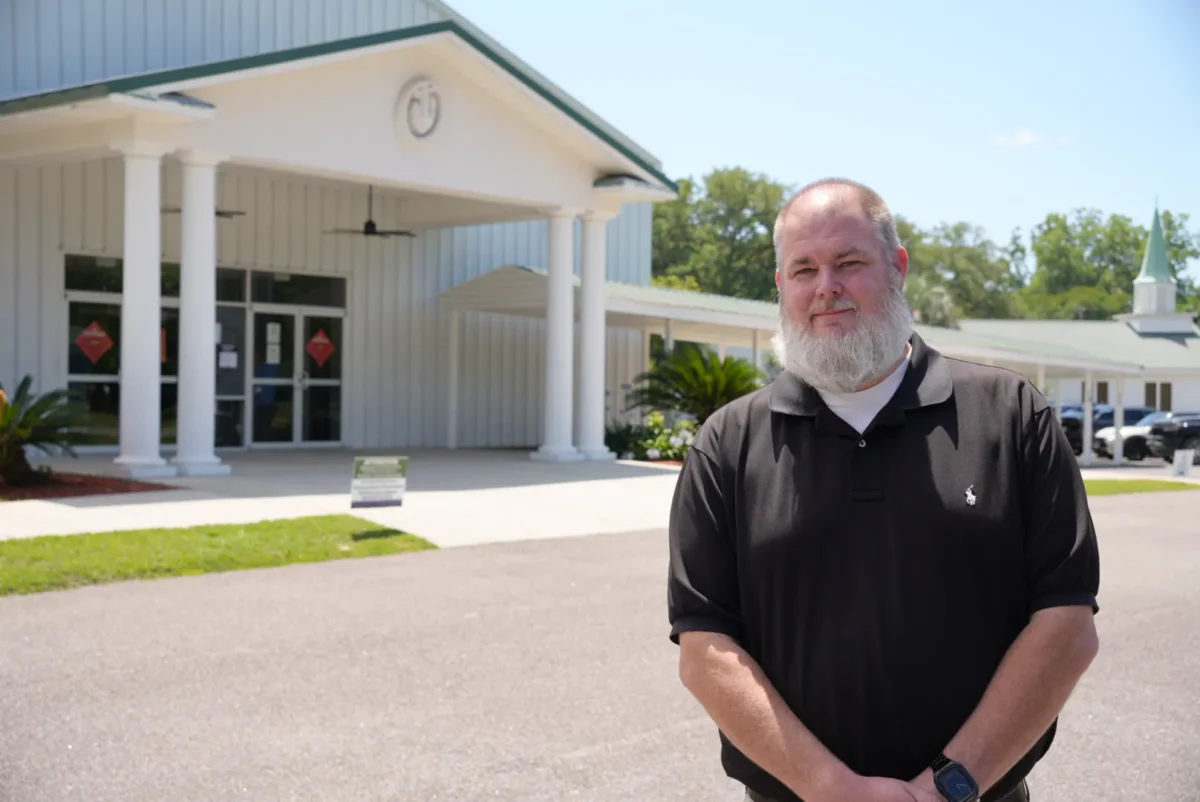
“There’s a lot of choices in the governor’s race. ... I can’t say that one particular candidate stood out,” Willis said.
Another voter, Robert Morrell, told The Epoch Times he felt strongly about making his vote for Jones on primary election day at the Golden Isles Baptist Church in Brunswick.
He personally met the candidate last fall during a country music concert, and the interaction helped Morrell further solidify his vote for Jones.
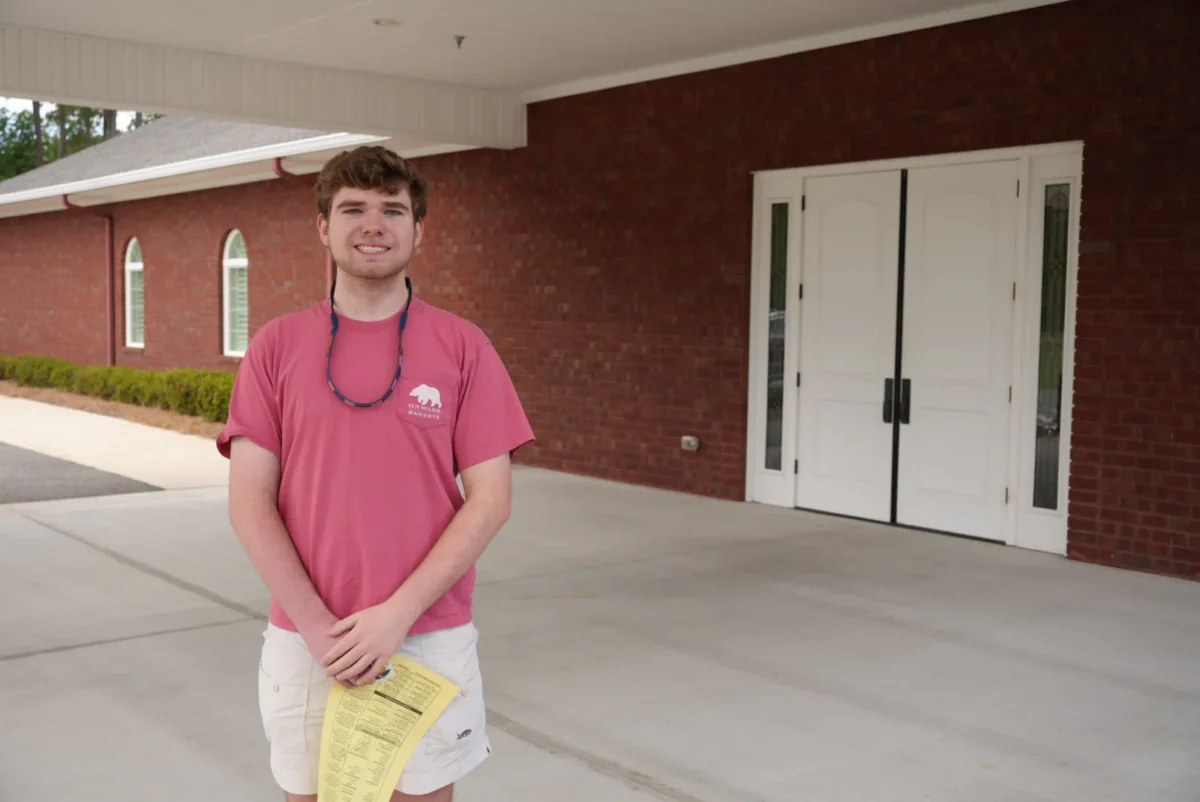
“I feel like Burt Jones is just more hard line, which I feel like is what we’d need, but he can still appeal to moderates,” Morrell said. “He was a great guy all around.”
Sean Miller, who voted at Central Church of Christ in Savannah, concurred about Jones, agreeing with the candidate’s stance on a number of issues, like abolishing the state sales tax.
“As I studied the governor race, when I looked at the office, like the opponents on the GOP side ... I had misgivings about some of them,” Miller said. “I like Burt Jones. I come from more of a Christian worldview, and I appreciated where he stood on many things.”

Meredith Miller, Sean’s wife, said she voted because it was her civic duty. She told The Epoch Times that she cast her ballot for Jackson.
To date, Jackson has raised $83.5 million and spent $65.7 million, according to Georgia election finance records.
Jones raised $4.6 million and spent $18 million.
Records show Raffensperger raised $1.1 million and spent $4.6 million.