


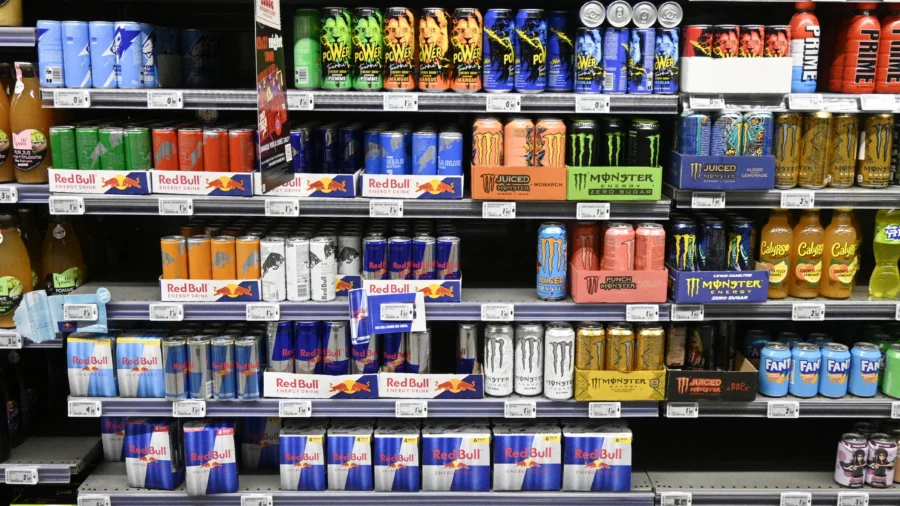
The patient, described as normally healthy, arrived at the hospital with left-sided weakness, numbness, and ataxia. Upon admission to the hospital, his blood pressure was 254/150 mm Hg, according to the Neurology report from England, authored by Dr. Martha Coyle and Dr. Sunil Munshi.
A reading of 254/150 mmHg is extremely high and represents a severe hypertensive crisis and needs immediate medical attention. Normal is around 120/80 mmHg, and any reading over 180/120 mmHg is considered a medical emergency.
Although hospital treatment reduced his systolic blood pressure to 170 mm Hg, it spiked again after discharge and stayed dangerously high for months, even with five blood pressure medications that lower blood pressure.
When he stopped the energy drinks, his recovery was rapid. As the authors wrote: "One week after stopping the drinks, his average BP readings showed 120–130 mm Hg systolic… and he was able to be completely weaned off all medications after 3 weeks." They concluded it was "likely that the patient's consumption of highly potent energy drinks was, at least in part, a contributive factor to his secondary hypertension and in turn his stroke."
Harvard Health notes that excessive consumption—especially among teens and young adults—can cause dehydration, irregular heart rhythms (arrhythmias), and high blood pressure.
For teens and children, "Medical experts advise against energy drinks for children and teens because of the levels of sugar and caffeine, according to the American Academy of Pediatrics," states the FDA. "Too much caffeine in children and teens can cause increased heart rate, heart palpitations, high blood pressure, anxiety, and lead to sleep problems, digestive problems and dehydration."