


NASA’s long-term plan for lunar habitation is one step closer to becoming a reality.
The multi-million-dollar model, Moon Base, aims to transform temporary human expeditions into potentially permanent lunar civilizations.
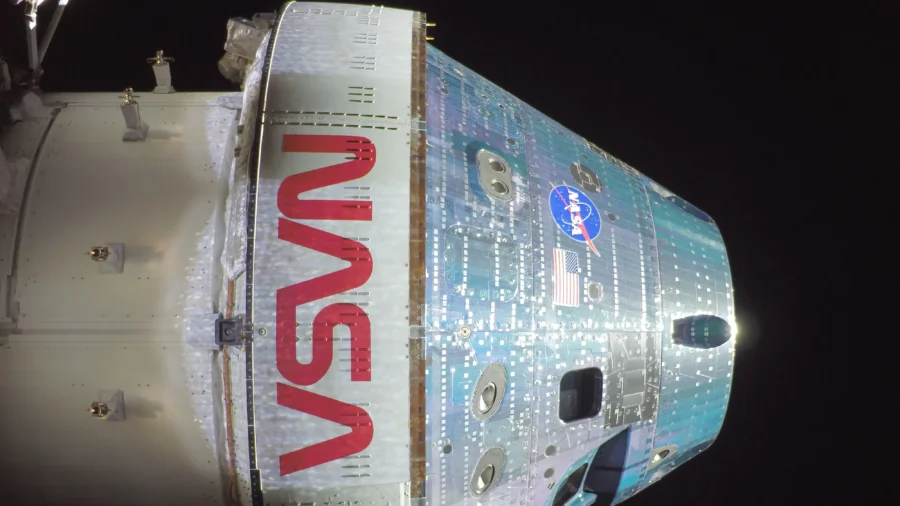
Artemis II in April was the first lunar mission in the Artemis program since the Apollo era, and was NASA’s attempt to return humans to the Moon to establish a sustainable presence there.
The last lunar travel occurred in 1972 aboard the Apollo 17.
“Everything we tested and learned on Artemis II, the systems, the teamwork, the operational tempo feeds directly into our ability to build a sustainable foothold on the moon,” Glaze told reporters. “With Moon Base, Artemis astronauts will stay longer, explore farther, and conduct the kinds of science that advances exploration itself.”
In addition to Glaze, NASA program officials in attendance included George Alderman, NASA deputy press secretary, NASA administrator Jared Isaacman, and Moon Base program executive Carlos Garcia Galan.
They disclosed details about funding for lunar space transportation, engineering, data, and delivery services. For example, $234 million is allocated for Lunar Terrain Vehicles with contracts awarded to companies, such as Blue Origin, Astrolab, Firefly, and Intuitive Machines.
“We are building humanity's first outpost beyond Earth,” Glaze added. “With Artemis, we are going and with Moon Base, we're going to stay, and together with NASA industry and international partners, we are creating a future where exploration is not just an incredible moment in history, but the first foothold beyond Earth for all of humanity.”
When journalists asked about China having trained 28 Chinese space travelers for underground cave operations inside lunar lava channels, Isaacman responded that cave exploration has been part of the U.S. astronaut training program as well.
“We certainly see value in that environment,” he said. “We are very focused on the first Moon Base. We are aspiring to have a lot of outposts on the lunar surface.”
Galan added that underground structures have radiation-shielding potential.
“We have actually done a lot of work in the past at looking at being able to protect crew ... human crew, from radiation ... the harsh radiation environment,” he said. “Certainly, there's been a lot of research there and as we start to expand our reach, that could be part of it.”