


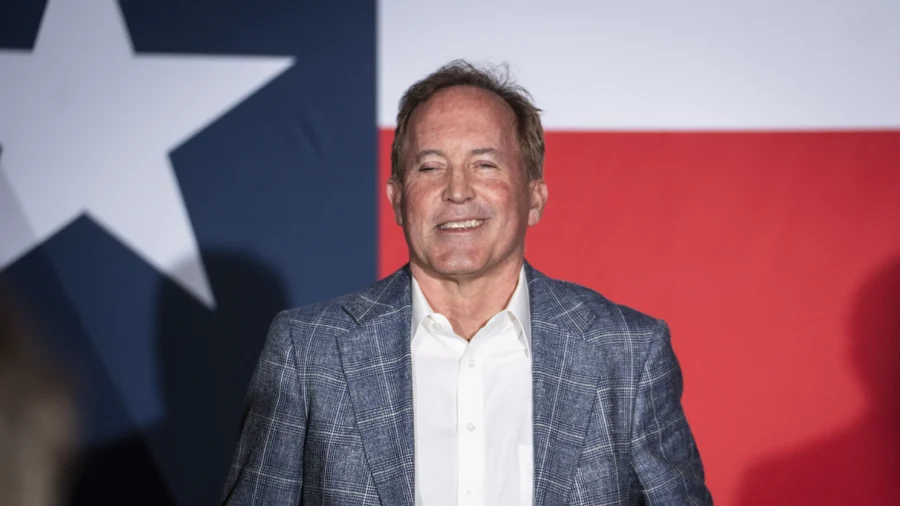
WASHINGTON—Texas’s costly Senate primary season is over. Now, Texas Attorney General Ken Paxton and State Rep. James Talarico are getting ready for the big fight—the general election.
Buoyed by an endorsement from President Donald Trump, Paxton beat Sen. John Cornyn (R-Texas) in the May 26 runoff, ousting a multidecade incumbent who once chaired the National Republican Senatorial Committee, or NRSC, which backed him during the primary and runoff.
As Texas enters monsoon season, the vast landscape is poised to soak up more than just rain.
Cash will saturate the many media markets across a state that just went through the most expensive Senate primary in history, fueling appeals and attacks from the candidates and their allies ahead of November. Huge piles of conservative cash could help Paxton make up a fundraising gap in the race—one that yawned during his ultimately successful campaign against Cornyn.
Big money in support of the senator helped make the primary a record-breaking one, according to AdImpact Politics.
Paxton, by contrast, benefited from a little more than $11 million in ad support. His campaign raised just $7.6 million as of May, less than Talarico, Cornyn, and two other Democrats—Rep. Jasmine Crockett (D-Texas), who lost to Talarico, and Colin Allred, who dropped out of the race.
A pro-Paxton Super PAC, Lone Star Liberty, recorded receipts of $8.1 million as of early May. While that might sound like a lot, it pales in comparison to the $35.6 million raised by Texans for a Conservative Majority, a Cornyn-aligned Super PAC, by that same date.
Like Cornyn, Talarico has been well funded. His campaign had raised more than $40 million as of March 2026. AdImpact Politics recorded $25.2 million in advertising support for Talarico during the primary alone before his March 3 victory against Crockett. As of its last quarterly filing in late March, Lone Star Rising, a pro-Talarico Super PAC, recorded just under $9 million in receipts.
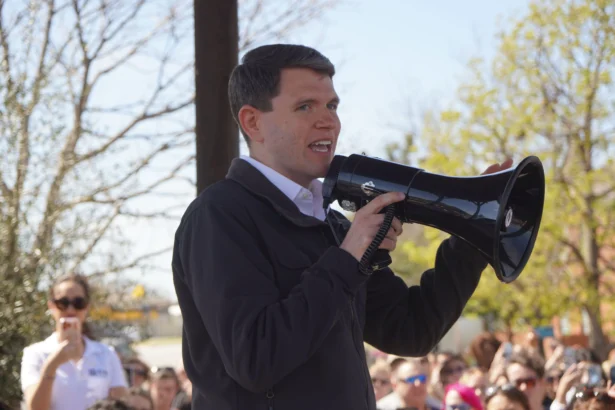
The state representative said he raised more than $3 million in the 24 hours after Paxton won the GOP runoff.
In his pitch to Texas voters, Cornyn stressed his electability, saying that Paxton would be a weaker candidate in the general election.
After Paxton’s victory, the Cook Political Report changed its rating for the Senate seat, judging that it only leaned Republican rather than being a likely Republican win.
Although Texas has not elected a Democrat to the Senate in decades, head-to-head polling reviewed by The Epoch Times suggests the race could be competitive.
For the candidates, that translates to a need for dollars—lots of them.
The Money Game
Republicans and allied groups have accumulated some massive piles of cash.As of late April, the Republican National Committee had almost $129 million on hand. The Democratic National Committee, by contrast, had just $14 million in its coffers.
The NRSC, which has spent more than $18.6 million in 2026 so far, ended April with almost $46 million in reserve. The Democratic Senatorial Campaign Committee, which spent almost $24 million over the same period, had $37 million at the end of April—also shy of the comparable Republican total.
The Senate Leadership Fund PAC, a Super PAC aligned with Senate Republicans, had more than $166 million on hand at the end of March. That, too, dwarfs the reserves of its Democratic counterpart, the Senate Majority PAC, which was left with $75 million as of that filing date.
After Paxton’s win, the NRSC scrubbed posts and other content aimed at the nominee—and the NRSC’s chairman, Sen. Tim Scott (R-Texas), stressed his support for the party’s candidate.
“I stand united with President Trump, Ken Paxton, and Texans who want to protect our Republican majority,” he wrote on X.
In a May 29 message to The Epoch Times, Gregg Keller of Paxton-aligned Lone Star Liberty wrote, “We’re working with all our partners post-runoff in Texas and across the country and are pleased by the great response we’ve gotten.”
In addition to being endorsed by Trump, Paxton was supported by Turning Point Action, known for its skill in grassroots organizing, as well as Trump-aligned Texas lawmakers such as Reps. Brandon Gill (R-Texas) and Troy Nehls (R-Texas).
A Super PAC allied with Trump, whose endorsement helped rocket Paxton to the nomination, boasts a formidable war chest, too. MAGA, Inc. had more than $356 million on hand as of late April.
Texas’s sheer size is one big reason why political campaigns there can be so expensive.
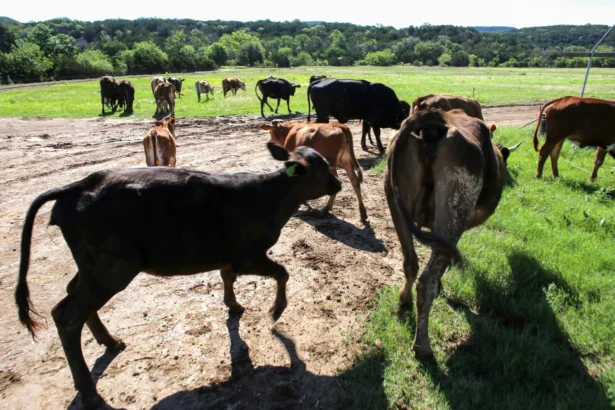
At more than 261,000 square miles, the Lone Star State is home to 31.7 million people scattered across numerous media market areas from El Paso in the west to Beaumont-Port Arthur in the east. California, another sprawling and populous state, has fewer.
The two candidates have already released new advertisements targeting each other.
In his advertisement, Talarico highlighted Paxton’s impeachment in the Texas House, accusing him of corruption over charges that he abused his office to benefit investor and Paxton donor Nate Paul. Paxton was ultimately acquitted by the Texas Senate.
Paxton’s ad drew attention to Talarico’s past statement that “there are six” biological sexes, as well as his comments on the American flag, his profession of love for “the trans children,” and other culturally and politically charged topics.
As the battle intensifies, the spending will follow suit—or vice versa.