

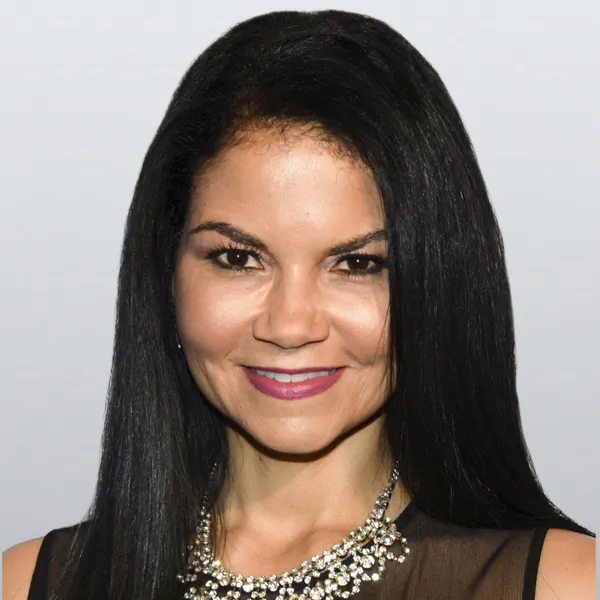

Reverse walking isn't just kids’ play anymore. A University of Nevada researcher found there are real benefits.
“I see a lot of people in my neighborhood and they walk, and that’s good,” biomechanist and University of Nevada faculty member Janet Dufek said. “But they are still stressing the same elements of their structure over and over again. Walking backward introduces an element of cross-training, a subtly different activity.”
As a former college basketball player and a regular exerciser, Dufek has participated in plenty of backward walking while identifying ways to prevent injuries and improve physical performance while walking and landing from jumps.
She views reverse walking as a way to cross-train so exercising does not lead to injuries from overusing the same muscle groups.
“I played basketball and I probably spent 40 percent of my time playing defense and running backwards,” Dufek said.
Using cross-training to avoid injury overuse means engaging in different activities and exercises like running on Monday, biking on Wednesday, and lifting weights on Friday.
To make the most of reverse walking, Dufek recommends running a marathon backwards but starting with one-minute segments of backward walking first and working up to a 10-minute walk while adding time and distance as the movement becomes more comfortable.
“At first, you start really, really slowly because there’s a balance accommodation and there is brain retraining,” she said. “You are learning a new skill. You’re using muscles in different ways.”
When working with a running buddy, Dufek advises holding each other’s hands, if appropriate, while one person walks backward, and the other provides stability, then switch positions.
Dufek also recommends changing running shoes often when participating in reverse walking over time.
“The shoes had a different level of wear, a different design,” she said. “Just by changing that one element, in this case footwear, it would provide a slightly different stress to the system.”
In addition to stretching the hamstring muscles, Dufek says to expect the muscles at the back of the thigh to feel stretched as well after a bout of backward walking.
Next up, Dufek plans to research whether backward walking improves balance and reduces falls in older adults.
“You strike the forefoot first, often quite gently, and often the heel does not contact the ground," Dufek added. “This reduces of the range of motion in the knee joint, which allows for activity without stressing the [knee] joint."