


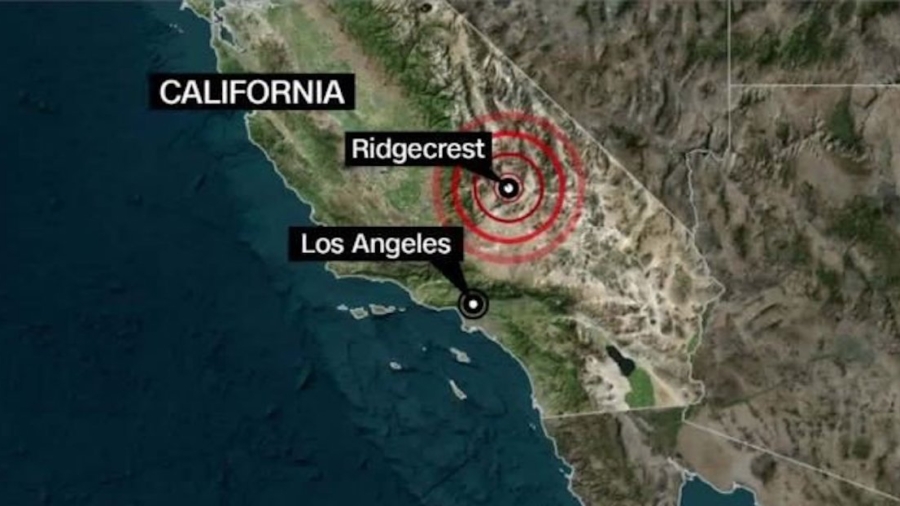
Residents of Southern California are on high alert after a 7.1-magnitude earthquake rocked communities near the Mojave Desert on July 5, just one day after a 6.4-magnitude quake occurred in the same area.
Here's what you need to know about that massive fault zone and what it means for future California quakes.
It’s Not a Fault Line, but a Network
Fault lines occur where rocks on two sides push against or slide past each other, displacing the earth's crust.Though the motion is typically unnoticeable to the naked eye, rocks continue to push but get stuck on each other's edges. Pressure builds up until stress overcomes friction, creating a sudden release of energy that sends seismic waves through the ground, called earthquakes.
The fault zone isn't a single line, but a system of faults that snake throughout California, including populous areas such as Los Angeles and San Bernardino counties.
Recent Quakes Probably Won’t Trigger the ‘Big One’
It's not likely that this week's earthquakes will trigger the "Big One" geologists warn about—at its closest point, the San Andreas fault zone is more than 150 miles away from the Mojave Desert, USGS seismologist Susan Hough told CNN affiliate KTLA.Though it's difficult to predict the exact timing of when earthquakes will strike or what their magnitude will be, researchers are encouraging residents and local officials to prepare now and retrofit structures to withstand seismic force before the next significant quake—or the "Big One"—strikes.
