


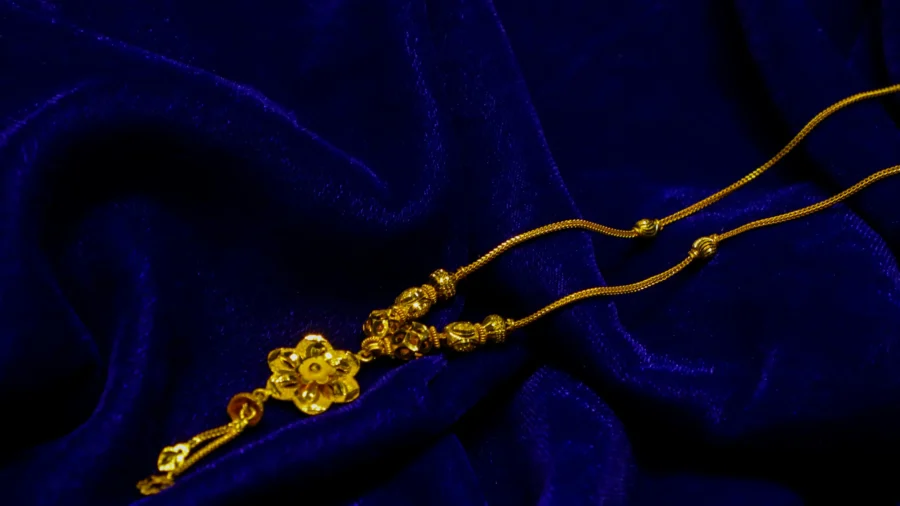
It’s one of the most common gold transactions in America, yet people rarely prepare for it. A family walks into a cash-for-gold storefront with a coffee can of inherited Krugerrands and a drawer of old jewelry. They accept the first offer, which can run 20 to 40 percent below the metal’s actual melt value.
Quick Answer: How Much Should You Get for Selling Gold?
For recognized bullion coins such as Krugerrands, American Gold Eagles, or Canadian Maple Leafs, a reputable coin dealer typically pays within a few percent of the day’s spot price. Gold jewelry sold as scrap brings somewhat less, since refining costs come out of the offer, but a fair price is still a clear majority of melt value. Offers far below melt are probably your signal to walk out. Learn melt value and calculate before anyone else puts your gold on a scale. The math takes five minutes.First, Slow Down
Gold does not spoil. Any storefront urgency is a sales tactic. Grief plus a counter and a scale is often the situation these businesses are built around.Calculate Melt Value Before Anyone Weighs Your Gold
Melt value is what the pure gold in an item is worth at today’s price. You need three numbers: weight, purity, and the spot price.- Weigh it. A kitchen scale that reads grams is fine.
- Find the purity. Look for the karat stamp. 24k is pure gold, 18k is 75 percent, 14k is 58.3 percent, 10k is 41.7 percent. Bullion coins state their gold content; a Krugerrand contains exactly one troy ounce of gold.
- Look up the spot price. Any major financial site lists the live price per troy ounce for free.
Coins and Jewelry Are Priced on Different Logic
Bullion coins are pure commodity. Their weight and purity are guaranteed by government mints, so dealers resell them easily and might pay close to spot.Jewelry is messier: purity varies, stones and clasps get deducted, and scrap gold must be refined before it is sellable metal again—buyers discount for that cost.
But jewelry has a second path that coins do not. A signed designer piece or a well-made antique can be worth more sold as jewelry than melted. Have a beautiful piece that bears a maker’s mark or a recognizable designer name? Price it both ways before letting anyone treat it as scrap.
The 2 Mistakes That Cost Families the Most
Mistake one: melting before checking.Some coins and older pieces carry collector value far above their metal content. Pre-1933 U.S. gold coins, unusual dates and mint marks, coins in graded holders or original packaging, and anything your relative stored separately or documented all deserve a look from a professional numismatist before any smelter is involved.
An appraisal costs little and protects a value that is destroyed permanently the moment the piece is melted. And never clean coins; collectors pay for original surfaces, and scrubbing can erase hundreds of dollars in seconds.
FAQs About Selling Inherited Gold
Do I Owe Taxes if I Sell Gold Right After Inheriting It?
Usually little or none. The stepped-up basis resets your cost to the gold’s market value on the date of death, so a prompt sale produces almost no taxable gain regardless of what the original owner paid. You only owe capital gains tax on appreciation that happens after you inherit, and that is taxed at the collectibles rate of up to 28 percent if held over a year. Keep a written date-of-death valuation to document your basis.How Do I Know if Inherited Coins Are Worth More Than Melt Value?
Look for signs of collector value: Again, U.S. coins minted before 1933, unusual dates or mint marks, pieces in graded plastic holders from major services like PCGS or NGC, coins in original government packaging, and anything the previous owner stored or documented separately can indicate additional value. When in doubt, pay a professional numismatist for an appraisal before selling anything for melt. The fee is small, and melting a rare coin is the one mistake that cannot be undone.What Percentage of the Spot Price Is a Fair Offer?
For widely recognized bullion coins, expect offers within a few percentage points of spot from a reputable dealer; anything less than roughly 5 percent below spot deserves a second quote. For scrap jewelry, offers discount for refining, but you should still receive a strong majority of the calculated melt value. Offers 20 percent or more below melt are the pattern consumer investigators flag repeatedly at cash-for-gold operations. Multiple quotes are your best protection.Is It Better to Sell to a Local Dealer or Online?
Both can work well. A local coin dealer offers same-day payment, in-person evaluation, and the chance to compare quotes easily. Established online bullion dealers publish their buyback prices, which are often competitive, but you must ship the gold insured and wait for payment. Avoid mail-in cash-for-gold services, which are a different business entirely. Whichever route you choose, check the buyer’s reputation and get your competing quotes first.The views and opinions expressed are those of the authors. They are meant for general informational purposes only and should not be construed or interpreted as a recommendation or solicitation. NTD does not provide investment, tax, legal, financial planning, estate planning, or any other personal finance advice. NTD holds no liability for the accuracy or timeliness of the information provided.
From The Epoch Times