


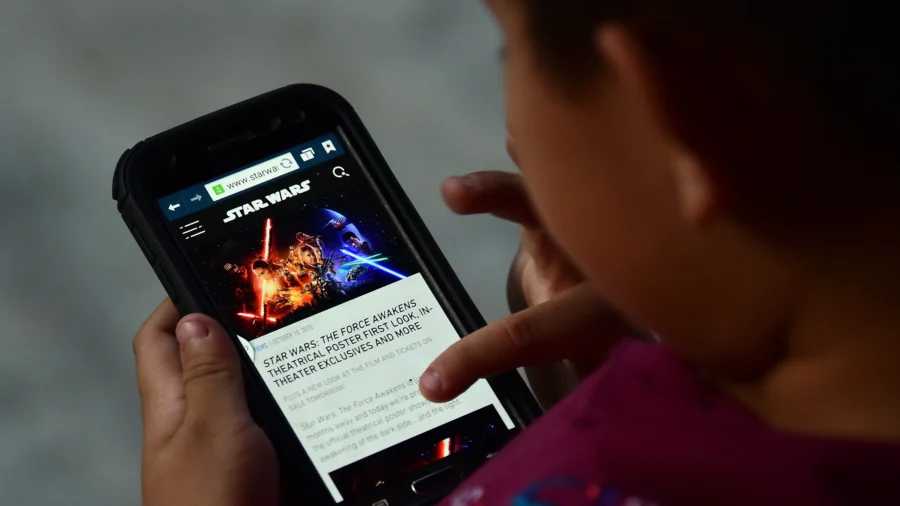
According to the study conclusions, smartphone ownership in early adolescence has been associated with “poorer adolescent health outcomes, including depression, obesity, and sleep deficiency, independent of socioeconomic and parental confounders.”
“Recent smartphone acquisition is linked to adverse health outcomes, as 13-year-olds who newly acquire smartphones report poorer mental health and sleep quality, even after adjusting for baseline measures at age 12,” the study said.
Researchers also found that earlier smartphone ownership was associated with greater health risks—the younger the age of first smartphone ownership, the greater the likelihood of obesity and insufficient sleep by age 12.
Ran Barzilay, lead author of the study, said the findings suggest smartphones should be seen as a “significant factor” affecting teen health. When deciding whether to give a child a smartphone, potential health impacts must be considered.
“We are not claiming smartphones are detrimental to all adolescents' health; rather, we advocate for thoughtful consideration of the health implications, balancing both positive and negative consequences,” Barzilay said.
“For many teens, smartphones can play a constructive role by strengthening social connections, supporting learning, and providing access to information and resources that promote personal growth. Likewise, some families may view a smartphone as a necessity for safety or communication.”
Barzilay said it was inevitable that teens would eventually have a smartphone. However, the researcher advised parents to monitor their children's phone use to ensure they do not engage with inappropriate content or develop unhealthy habits.
Some recommendations include establishing clear family rules before giving a child a phone, setting guidelines for device use in bedrooms and during homework, and adjusting privacy and content settings to prevent exposure to inappropriate content.
“It’s critical for young people to have time away from their phones to engage in physical activity, which can protect against obesity and enhance mental health over time,” Barzilay said.
Lawmakers have taken action to restrict the use of phones among children in schools.
However, some parents do not agree with instituting phone restrictions for students at school.
“Before policymakers think they’re solving a problem by banning phones in school, they should talk to actual parents to understand the reasons why the line of communication during the school day is so important,” Keri Rodrigues, president of the group, said.
These problems can also push children to spend more time on screens as a coping mechanism, creating a vicious cycle.