


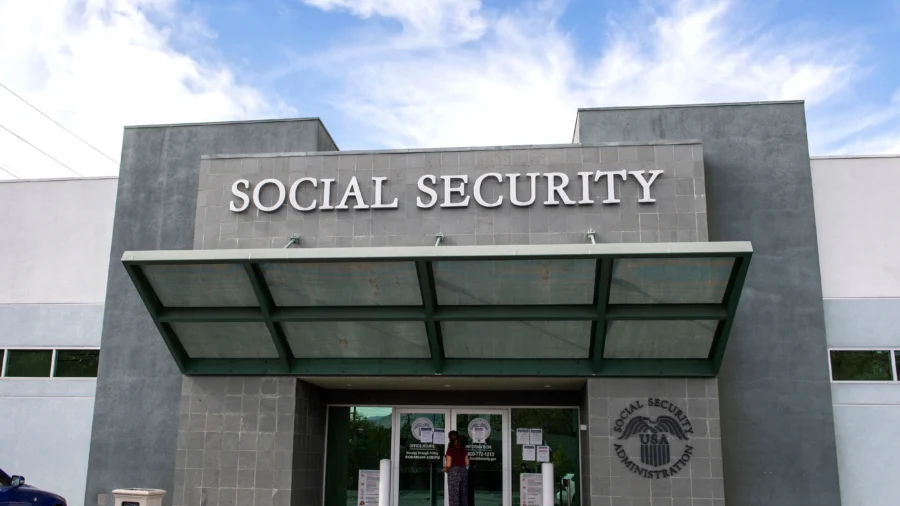
More than 72.5 million Americans are expected to receive Social Security benefits this year, with the average monthly benefit for retirees being $1,981.
Certain aspects of Social Security change annually, and this year is no exception, with several updates.
MDRN Capital founder and CEO Aaron Cirksena weighed in on Social Security shifts that this year’s retirees need to know about.
COLA is Lower
This year, however, the COLA is set at 2.5 percent, which is “one of the smallest increases since 2021,” Cirksena told NTD.COLA increases start at the earliest permitted retirement age, which is 62.
SSA Income Limits Increased
There is no hard or fast rule against working while benefiting from Social Security income.However, there are limits to how much a Social Security recipient can earn and still collect their full benefit.
The designated income limits increased from $22,320 in 2024 to $23,400 in 2025, and the SSA will deduct $1 for every $2 earned over the limit, whether it’s through part-time or full-time work.
Windfall Elimination Provision Repealed
The Windfall Elimination Provision (WEP) no longer applies to benefits paid on or after January 2024, now that the Social Security Fairness Act (SSFA) has repealed it.The SSFA, signed into law on Jan. 5, allows anyone with a pension to also receive Social Security benefits regardless of the amount of money the pension pays.
It's a good thing for high-earning individuals, according to Cirksena.
“The windfall elimination provision used to wipe away a lot of somebody's Social Security benefit if they had a sizable pension, so that's basically gone away,” he added. “Now, people who have pensions from certain private sector jobs or public sector jobs can collect Social Security benefits, too.”