


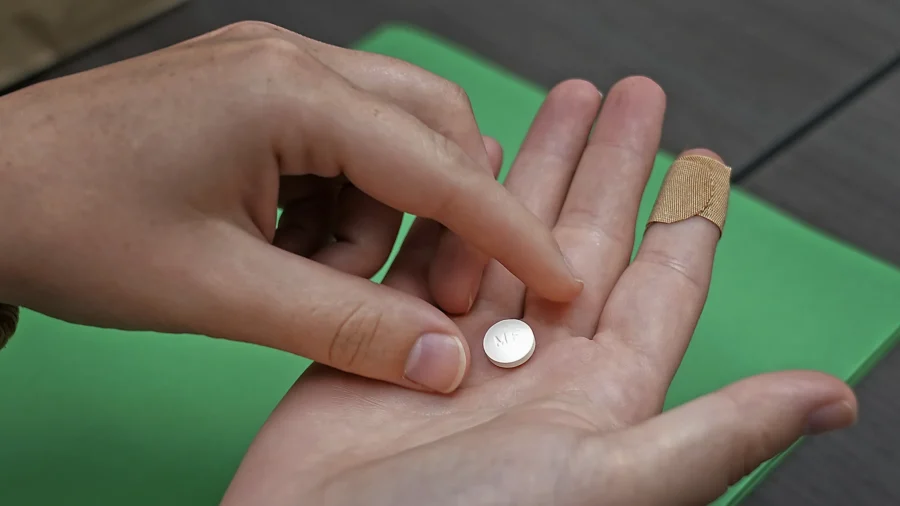
The South Carolina House Judiciary Constitutional Laws Subcommittee held a public hearing on Jan. 14 to hear testimony on a bill that would criminalize the use of abortion pills.
Violating the proposed law would be punishable with up to five years in prison and a $50,000 fine.
“It’s dealing with the life of a baby in the womb,” former South Carolina state rep. Gary Smith told the subcommittee. “We have laws that protect that life in South Carolina and we’re trying to enforce those, but because of the lack of interstate cooperation from 29 states and the District of Columbia, we’re having to deal with how to enforce the laws that have been passed in our borders.”
After the testimony, state lawmakers advanced the bill out of committee and sent it to the full Judiciary Committee with a 3–2 vote.
Another debate will take place next week.
The legislation excludes contraceptives, emergency contraceptives, and the use of methotrexate for ectopic pregnancies.
Women's Rights & Empowerment Network spokesperson Tori Nardone said the law doesn’t exclude miscarriage management even though many women also use the medication to help them pass a fetus that has miscarried.
“It’s a deeply personal and traumatic experience and that medication allows them to be able to do that in the comfort of their own home surrounded by loved ones,” Nardone said.
Although drugs used in medication abortion, including mifepristone and misoprostol, are not considered controlled substances by the federal government, the bill would amend current South Carolina law to make the pills controlled substances statewide, similar to other controlled substances like opioids, stimulants, and depressants.
“This bill would definitely change the behavior of our society and men and women would, I hope, respect the beautiful gift and not be so cavalier and disrespectful to their purpose in life,” Pro-Life Charleston director-at-large Allan Terry told NTD.