


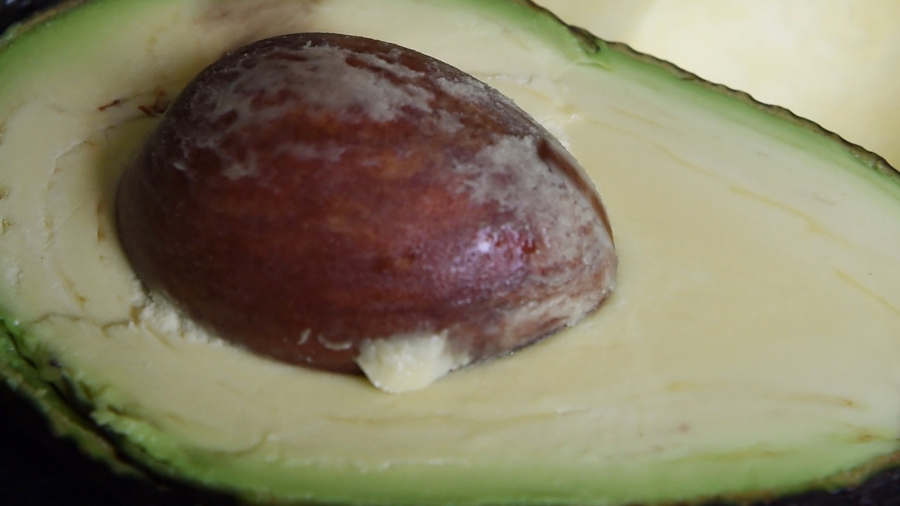
Southern Florida farmers are drawing attention for odd-shaped avocados that grow up to 3 feet long and can weigh up to 3 pounds.
Although the unusual version of the classic avocado is actually not new, the fruit gained new fans after Miami Fruit posted photos and videos of it on Instagram.
One of the videos Miami Fruit posted to its Instagram page about the avocados was viewed 100,000 times, and garnered almost 6,000 comments. The video shows a worker on the Miami Fruit farm cutting open and scooping out flesh from the bizarre-looking avocado.
"Our 'long neck' avocados do ripen quickly, just like the regular avocados that you would find in a grocery store," a Miami Fruit spokesperson told Insider.
One long neck avocado can make 12 pieces of avocado toast, the company told Insider. The avocado type is rare and is already sold out at Miami Fruit.
When Did Avocados Reach America?
Food Republic reported that avocados first arrived in Florida in 1833 and in California in 1856. Spaniards discovered avocados when they arrived in the Americas. They were found spanning the region that stretches from current-day Mexico all the way down to Colombia.The main type of avocado eaten by Americans today is the Hass variety, according to Food Republic. This kind of avocado is known for its buttery flesh and high oil content, and is mostly grown in California.
Avocado-Related Injuries
Insider also reported that avocado-related injuries resulted in 8,900 Americans going to the hospital in 2018, according to the U.S. Consumer Product Safety Commission’s Epidemiology team.Most of the injuries come from cutting avocados during food preparation, when lacerations and injuries to hands and fingers can occur. Most of the injured are female, white, and in the millennial age bracket. The oldest injured was 75 and the youngest was 8, according to Insider.
"A lot of times folks will try to remove the avocado pit with a carving knife or have their fingers wrapped around the avocado while they're cutting. Both of those techniques could lead to a bad cut and a trip to the ER," Joe Galbo, the U.S. Consumer Product Safety Commission’s social media specialist told Insider.