


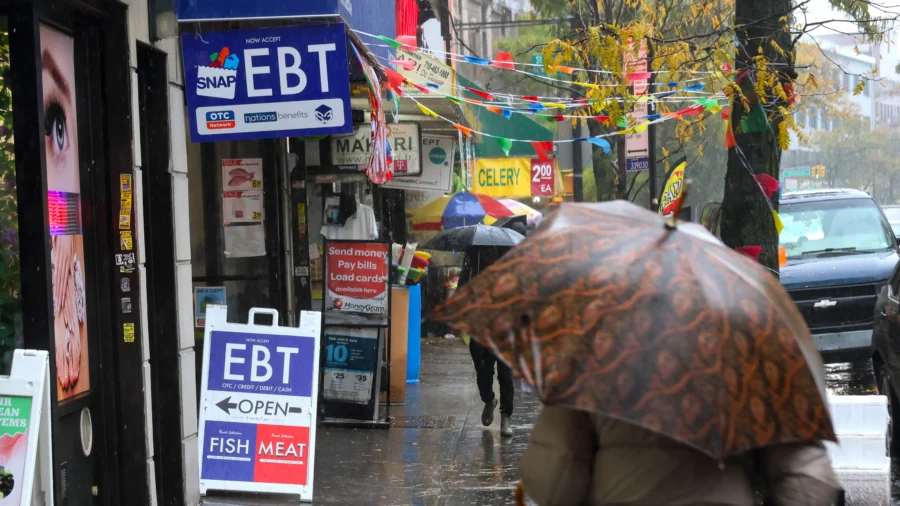
Six more states are able to restrict food stamps starting in 2026, federal officials announced on Dec. 10.
Requests to narrow which products can be purchased by residents of Hawaii, Virginia, and four other states have been approved, Agriculture Secretary Brooke Rollins and Health Secretary Robert F. Kennedy Jr. said.
Missouri officials asked for and received approval to bar residents from using food stamps, or money conveyed through the Supplemental Nutrition Assistance Program (SNAP), for items such as candy and soft drinks.
North Dakota is prohibiting food stamps from being used for candy, soft drinks, energy drinks, baking ingredients such as baking chocolate, gum, mints, chocolate-covered and candy-coated nuts, trail mix with pieces of candy, and some cereal and energy bars.
South Carolina's waiver excludes candy, energy drinks, soft drinks, and sweetened beverages.
Tennessee had asked for permission to let people use food stamps to buy prepared foods such as rotisserie chicken and forbid them from buying items with sugar or corn syrup as the primary ingredient.
Details of the waivers for Hawaii and Virginia have not yet been made available.
Some organizations such as the National Association of Convenience Stores have criticized the waivers, saying that they will reduce access to food and impose costs on retailers.
Approximately 42 million Americans receive food stamps under SNAP, usually because they earn income below the program's limits.
Officials had previously approved restrictions for Arkansas, Colorado, Florida, Idaho, Indiana, Iowa, Louisiana, Nebraska, Oklahoma, Texas, Utah, and West Virginia. Most of those restrictions, which include curbs on soft drinks and candy, are scheduled to start on Jan. 1, 2026.
“Thank you to the 18 governors who are leading the charge on SNAP reform to restore the health of Americans—especially our kids," Kennedy said in a statement. "Their courageous leadership is exactly what we need to Make America Healthy Again."
Rollins noted at a Dec. 10 briefing in Washington that both red and blue states are among those that have sought and received waivers, a fact she said she is proud of.