


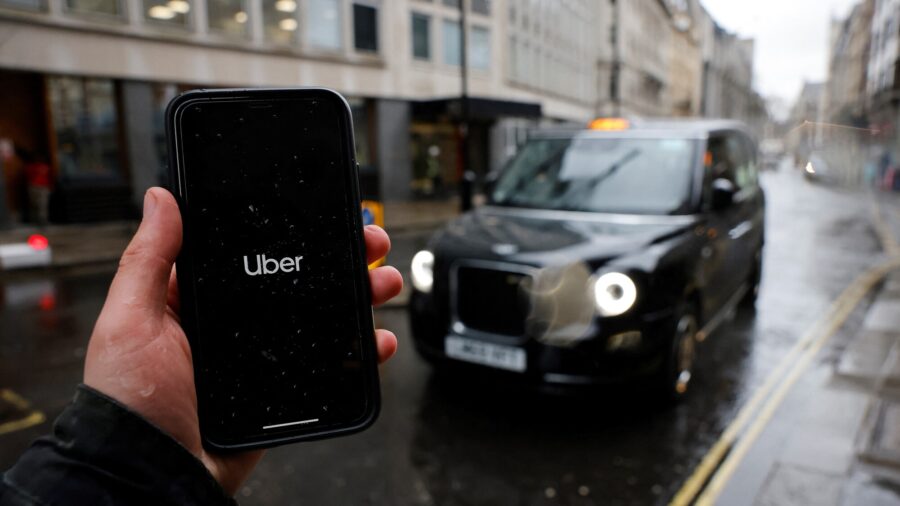
Ride-hailing giant Uber on Wednesday unveiled a new feature that will allow women riders to be matched with female drivers and vice versa.
The move follows feedback from the company nationwide, according to Uber.
Riders will soon see an option called Women Drivers when requesting a trip on demand. Similarly, women drivers can choose to only receive ride requests from female riders.
A preference for women drivers and riders will also be available in the app settings.
Uber noted that a woman driver isn't always guaranteed, but turning on the feature increases the chances of being matched with one. The company said one in five of its drivers are women.
Uber first introduced a version of the feature in Saudi Arabia six years ago, shortly after women gained the legal right to drive. Since then, the new feature has expanded to 40 countries and more than 100 million trips.
“Most drivers are men, so we’ve worked to ensure this feature was truly usable in different places around the world," Uber stated. "We tested, listened, and refined it in markets like Germany and France, adapting the feature to real-world rider and driver behaviors. As a result, in a first for the industry, we’re able to launch more reliable features that offer women riders multiple ways to be matched with a woman driver.”
Uber currently uses a RideCheck feature, which uses sensors and GPS data that can help detect if a trip doesn’t go as planned. Additionally, all drivers must go through a multi-step background check screening process in order to be considered as a driver.
The new feature is part of Uber's broader efforts to address safety concerns on the platform, specifically for women riders and drivers.
Sixty-eight percent of the incidents involved drivers as the perpetrators, according to the report. Thirty-one percent of the incidents involved passengers as the aggressors.
Uber’s new features will first be rolled out in Los Angeles, San Francisco, and Detroit in the next few weeks.
Last year, rival ride-hailing company Lyft launched the Women+Connect program, which offered women and nonbinary drivers the option to turn on a preference that will prioritize matches with other nearby women and nonbinary riders.