


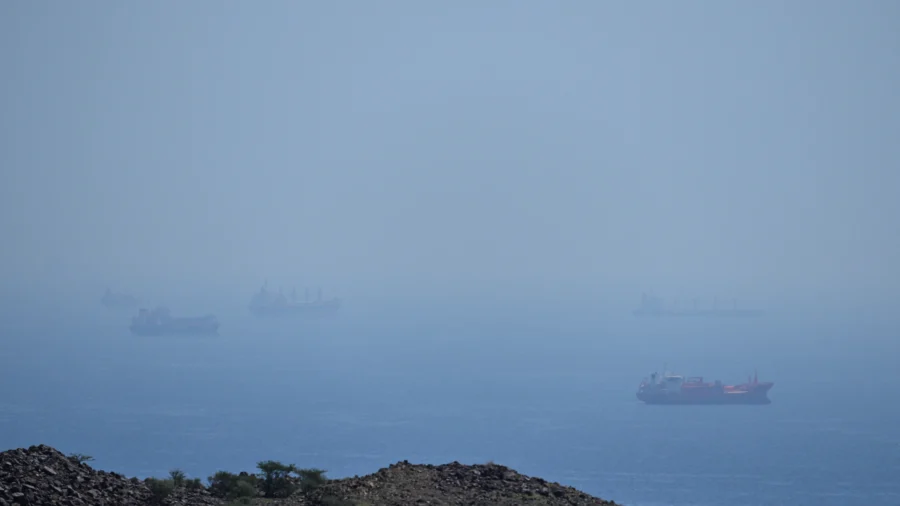
The Treasury Department on Friday warned it will impose sanctions on ships that pay a toll to Iran to pass through the Strait of Hormuz, saying that even charitable donations would be impacted.
The U.S. government is aware of Iranian regime threats to shipping in the waterway and its demands for payments, according to a notice released by the Treasury's Office for Foreign Assets Control.
"These demands may include several payment options, including fiat currency, digital assets, offsets, informal swaps, or other in-kind payments, such as nominally charitable donations made to the Iranian Red Crescent Society, Bonyad Mostazafan, or Iranian embassy accounts," the alert stated.
The office added that non-U.S. persons could be exposed to "sanctions for engaging in transactions with the Government of Iran and the IRGC (Iran's Islamic Revolutionary Guards Corps) that are not otherwise exempt or authorized for U.S. persons" should it pay Iran for any toll fees to ensure safe passage through the strait, a key waterway that normally carries around a fifth of the world's oil.
"This risk to non-U.S. persons includes secondary sanctions on participating foreign financial institutions, which could prohibit or restrict such foreign financial institutions’ access to the U.S. financial system," the Treasury warned.
"Non-U.S. persons engaging with blocked Iranian digital asset exchanges may also risk sanctions for operating in or supporting the sanctioned Iranian financial sector."
The alert was issued to serve as a warning to Americans and non-Americans "about the sanctions risks of making these payments to, or soliciting guarantees from, the Iranian regime for safe passage," while adding that "these risks exist regardless of payment method," the Treasury said.
Tehran has proposed fees or tolls on vessels passing through the strait, as part of proposals to end the war with Israel and the United States. However, the Trump administration has said the tolls and fees are a nonstarter for any agreement to end the war with Iran.
Since the start of the war in February, gas and oil prices have surged to levels not seen in years amid Iranian threats and attacks on shipping in the region.
Further details about the proposal from Iranian officials were not provided in state-run media reports. At the same time, Ministry of Foreign Affairs spokesman Esmaeil Baqaei said that ending the war with the United States and developing a peace plan remain a priority, according to Iran's semi-official IRNA news agency.
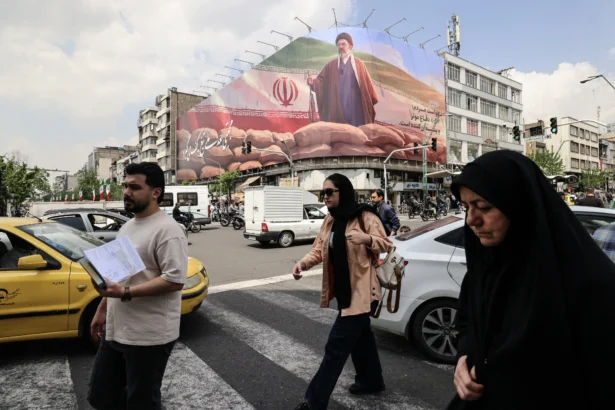
A White House official told The Epoch Times on Friday that the government won't provide any details about the negotiations, while saying President Donald Trump has maintained that Iran cannot obtain a nuclear weapon.
A naval blockade imposed by the U.S. military following a ceasefire announcement is still in effect.