


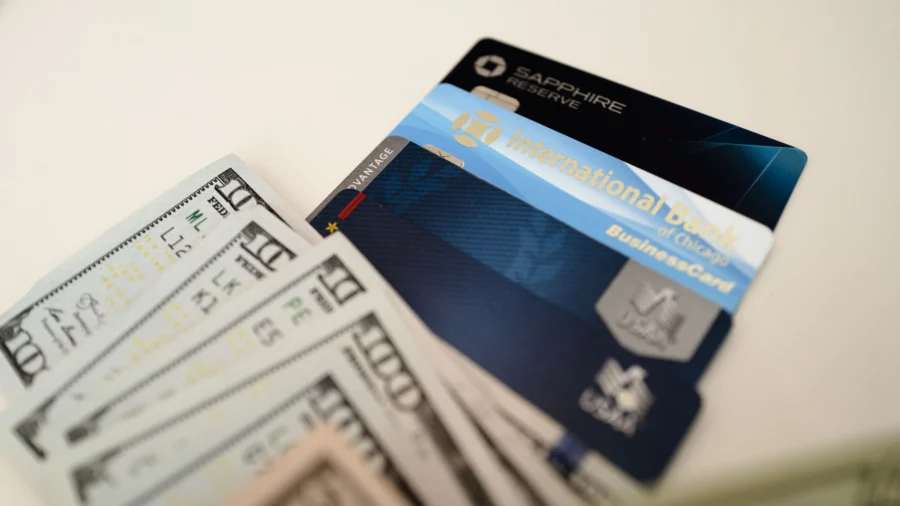
Card experts say that a trillion-dollar headline gets attention, but the distribution of that credit card debt is more concerning these days. “When balances are growing fastest among people who are already struggling financially, it suggests some households may be relying on credit cards to cover the gap between income and everyday expenses,” Jeremy Panizzoli, a financial educator and founder of the personal finance advisory platform FinQa.com, told NTD News.
Working With Your Credit Card Company Can Curb Plastic Debt
If there’s any good news on the credit card landscape, it’s that credit card companies are more than willing to work things out and aid consumers in cutting card debt. Here are three ways card companies will likely help you cut card debt.Stay connected with your card company in tough times
Job one when you’re falling behind on credit card debt is calling the card issuer before you miss payments, not after the account has already spiraled into serious delinquency.“Tell the issuer clearly that you're experiencing financial hardship and ask what hardship or repayment options are available,” Panizzoli advised. “Depending on the issuer and circumstances, that could mean a lower interest rate, reduced payment, waived fees or another structured repayment arrangement. I would specifically ask, 'What hardship programs do you have, and can you reduce my APR or monthly payment while I get back on track?'”
One good reason to contact your credit card provider before you miss a payment is that card companies often offer more financial help.
Ask for financial counseling help
If you’re past that point and are behind on multiple card payments, or the balances are just too big to realistically pay down on your own, that’s usually when people start looking at debt management plans through a nonprofit credit counselor.Once again, your card company can help. When discussing your situation, ask your card company representative for contact information for multiple credit counseling firms. Under the terms of the Credit CARD Act of 2009, credit card companies must provide a toll-free telephone number that cardholders can call to access information about approved credit counseling and debt management companies.
Ask to have your credit card interest rate reduced
It’s also a good idea to distinguish between reducing the cost of debt and reducing the card debt’s principal. “Consumers shouldn't assume a card company will simply forgive a balance because they're struggling,” Panizzoli said. “But lowering a very high interest rate can make a substantial difference because more of each payment can finally go toward principal.”Don’t Make These Errors When Fighting to Slash Credit Card Debt
One of the biggest mistakes is using new debt to disguise an existing debt problem.For example, a balance transfer, consolidation loan, or new credit card can help when someone has the income and discipline to repay the debt. “But if the household is already running a monthly deficit, moving $15,000 from one lender to another hasn't eliminated $15,000 of debt,” Brian Rooney, founder at Chapter7Reset.com, told NTD.
Another mistake is draining every available dollar of savings or retirement money trying to stay current without first looking at the entire financial picture.
“I learned through my own Chapter 7 experience that there's a point where the question needs to change from 'How do I keep making these payments?' to 'Is this debt actually repayable given my income and necessary expenses?'” Rooney noted.
That doesn't automatically mean bankruptcy. “It means the consumer needs an honest assessment of the numbers and, when appropriate, advice from a qualified nonprofit credit counselor, financial professional or bankruptcy attorney before making irreversible decisions,” Rooney stated.