


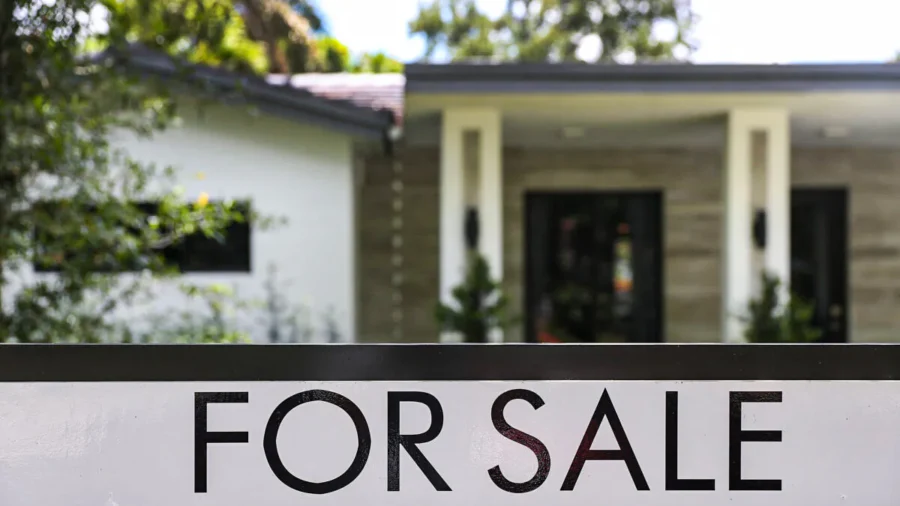
The United States has a significant home affordability problem, and it’s mainly due to the runaway U.S. home purchase costs that continue to gather steam.
According to a new Bankrate report, over 75 percent of U.S. homes are “unaffordable for the typical household.” Bankrate also notes the go-to benchmark for home affordability as the annual cost of owning a home not exceeding 30 percent of a household’s income.
A separate Redfin report also noted that while the average U.S. household earns $80,000 annually, that’s far short of the $113,000 needed to afford the American median home price of $435,000 in 2025.
3 Ways to Save for Home Down Payment in 2026
On the surface, those figures suggest that, for the average American homebuyer, saving enough for a down payment is increasingly challenging heading into 2026.“The affordability problem is basically a squeeze: high home prices meet higher borrowing costs, while inventory stays tight because people don’t want to give up their old low-rate mortgage,” Matt Schwartz, a mortgage broker and co-founder of VA Loan Network, told NTD News. “That keeps even average homes expensive in monthly payment terms, which is what buyers actually feel.”
How can homebuyers beat the odds and land that needed down payment? Fortunately, there are ways to get to that number, savings-wise, but only if a saver is disciplined and creative about the down payment savings journey. These action steps should get you the down payment you need in 2026.
Don’t Stick to Traditional 20 Percent Mortgage
First off, the days of having to save a minimum of 20 percent of a property’s home sales price are long over.“A 20 percent down payment is optional, but not mandatory,” Schwartz said. “You can buy with a 3 percent to 5 percent down for a conventional home loan, or 3.5 percent government-backed FHA for a zero-down loan.”
Additionally, eligible veterans can get a VA loan and earn down payment assistance in many counties.
The most effective moves Schwartz sees when working with homebuyers include “separate accounts at a different bank, automatic weekly transfers, and no debit card attached, which prevents 'accidental' bank account withdrawals,” he said.
Procrastination can be a real home-purchase deal-breaker for slow-moving buyers.
“One of the biggest mistakes buyers make is waiting for a ‘perfect’ moment,” Sasha Poparic, a real estate entrepreneur and founder of Immobilium, a global platform that helps people buy and sell property internationally, told NTD. “Markets often move ahead of expectations, and when demand returns faster than supply, buyers can lose negotiating power and face higher prices despite slightly better rates.”
One common error is waiting for interest rates to come down.
“There’s a misconception that affordability will automatically improve when interest rates soften,” Poparic noted. “In many markets, lower rates simply bring more buyers back at once, which can push prices higher instead of lower.”
Buyers also tend to fixate on a single number, like a 20 percent down payment, when in reality, affordability is shaped by the whole structure of the transaction. “Purchase price, financing flexibility, and local supply conditions often matter more than hitting a specific percentage,” Poparic added.
The views and opinions expressed are those of the interviewees. They are meant for general informational purposes only and should not be construed or interpreted as a recommendation or solicitation. NTD does not provide investment, tax, legal, financial planning, estate planning, or any other personal finance advice. NTD holds no liability for the accuracy or timeliness of the information provided.