


A second round of peace talks between the United States and Iran could take place this weekend, President Donald Trump told reporters on April 16.
"It's looking very good that we're going to make a deal with Iran, and it's going to be a good deal. It's going to be a deal with no nuclear weapons," Trump said before departing the White House.
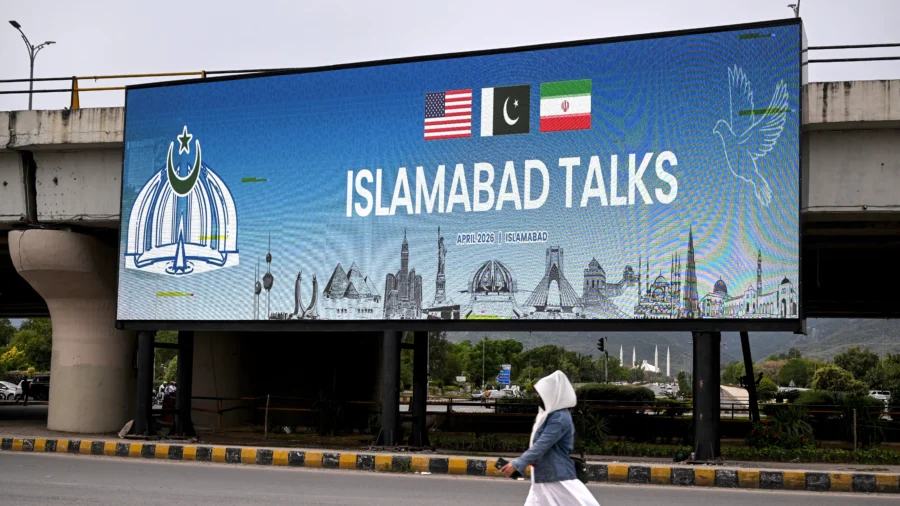
A first round of talks in the Pakistani capital of Islamabad ended on April 11 without an agreement between Washington and Tehran. The next round of negotiations could come just days before the expiration of a two-week ceasefire with Iran.
Trump indicated fighting with Iran could resume if there's no deal by the end of the two-week truce, which began on April 7.
"If there's no deal, fighting resumes," Trump told reporters.
The president also said he'd be willing to extend the ceasefire if a peace agreement appears within reach.
Vice President JD Vance said the first round of talks fell through as Tehran’s negotiators refused to make sufficient commitments that Iran would not pursue nuclear weapons.
As he spoke with reporters on Thursday, Trump indicated he’s now happier with Tehran’s commitments on the nuclear weapons issue.
“Very important is that Iran does not have a nuclear weapon, and they've agreed to that. Iran has agreed to that, and they've agreed to it very powerfully,” Trump said.
Trump said Iran had also agreed to turn over so-called “nuclear dust,” in apparent reference to highly enriched uranium that may be buried under the rubble of already damaged Iranian nuclear facilities.
The president also thanked Pakistan for its role in mediating discussions between Washington and Tehran and said he could go to Pakistan if there’s a peace deal to sign.
“If the deal is signed in Islamabad, I might go,” he said.
Iranian Ambassador to the United Nations Amir-Saeid Iravani, on Thursday, told the UN General Assembly that Tehran remains “cautiously optimistic” about the talks despite “our deep mistrust of the United States.”
“We believe that, should the United States adopt a rational and constructive approach and refrain from advancing demands that are inconsistent with international law, this negotiation can lead to a meaningful outcome,” Iravani added.
Earlier on Thursday, Trump announced Israel and Lebanon had agreed to a 10-day ceasefire. Continued fighting in Lebanon since April 7 between Israeli forces and Hezbollah—a designated terrorist group aligned with Iran—has added to the complexities of the broader Middle East peace process.