


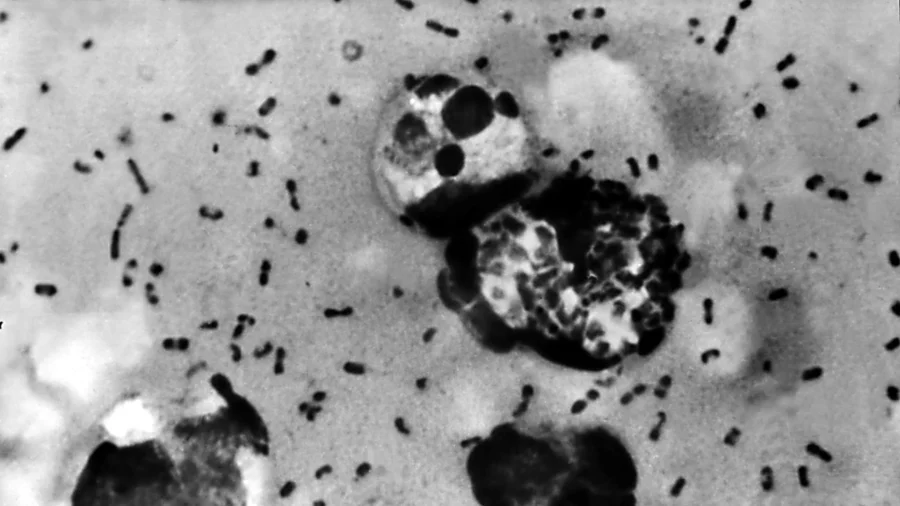
The New Mexico Department of Health said the rodent was submitted for testing after a resident found it dead on private property in Santa Fe County. Earlier this year, three dogs in Santa Fe County and one in Bernalillo County also tested positive for plague.
"While this is an animal case of plague, it's important to remember humans can get plague from flea bites or direct contact with infected animals, including rodents, wildlife and even pets," said Dr. Chad Smelser, deputy state epidemiologist for the New Mexico Department of Health.
Dogs and cats that become infected may develop fever, lethargy, loss of appetite, and swollen lymph nodes, particularly beneath the jaw.
In people, plague symptoms can include sudden fever, chills, headache, weakness, and painful, swollen lymph nodes in the groin, neck, or armpit. It can also be fatal.
The Centers for Disease Control and Prevention (CDC) says prompt antibiotic treatment is critical and greatly improves the chance of recovery. Without early treatment, plague can be life-threatening.
Human plague cases remain rare in the United States, but the disease continues to occur in rural areas of the western U.S.
Health officials have urged residents to reduce rodent habitats around homes by removing brush, woodpiles, and junk.
It’s also recommended to keep pet food away from wildlife, use veterinarian-approved flea control products on pets, and avoid handling sick or dead rodents and rabbits.
The plague arrived in the U.S. around 1900 from rat-infested steamships that had sailed from affected areas, the CDC said. “The last urban plague epidemic in the United States occurred in Los Angeles from 1924 through 1925,” the CDC said.