


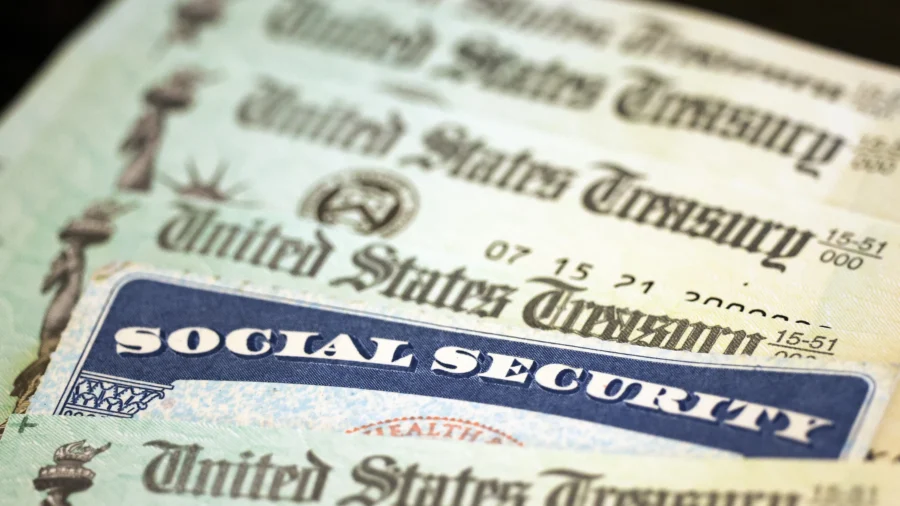
Changes are coming in 2026 for the more than 70 million Americans who rely on Social Security to keep the lights on and the pantry stocked. Changes to the rules on retirement age and outside income mean beneficiaries need to pay close attention to the fine print.
Here are the seven most significant changes hitting Social Security programs this month:
The Cost-of-Living Adjustment (and the Medicare Catch)
Benefits are climbing by 2.8 percent starting in January. The adjustment lifts the average monthly payment from $2,015 to $2,071—a boost of $56 for the typical recipient.However, that extra cash might not all make it to your bank account. Rising Medicare Part B premiums are expected to offset much of the gain for many seniors. The standard monthly premium for Part B, which covers doctor visits and outpatient care, is jumping to $202.90 in 2026, an increase of $17.90 from the previous year.
High Earners Now Receiving Record-Breaking Checks
For those who spent their careers at the top of the income bracket, Social Security pays more than ever. The maximum possible monthly benefit has risen to $5,251, up from $5,108 last year.But joining this exclusive club isn't easy. A retiree must have earned the maximum taxable income for at least 35 years and waited until age 70 to claim benefits to qualify for this top-tier payout.
Full Retirement Age Hits Its Ceiling
After years of gradual increases, the goalposts have officially stopped moving—at least for now. The full retirement age (FRA) is now set at 67 for anyone born in 1960 or later.This marks the final step of a legislative change enacted back in the 1980s, affecting the Social Security Act. While the retirement age used to be 65, it has crept upward due to concerns over the agency's solvency. For those born between 1943 and 1954, the age remains 66, but for the modern workforce, 67 is the new standard for 100 percent benefits, reflecting longer life expectancy.
Early Claiming Penalties Are Steeper
You can still retire at 62, but it will cost you. Anyone turning 62 in 2026 who claims benefits immediately will receive 30 percent less per check than if they had waited for their full retirement age.There is a silver lining for early risers who earned well, however. The maximum benefit available to a 62-year-old claimant has reached a record $2,969 per month, though achieving this requires 35 years of maximum earnings.
Working Retirees Have More Leeway
If you plan to collect benefits while keeping a job, the government is letting you earn a bit more before turning off the tap. The "earnings test" threshold has increased to $24,480 for those under their full retirement age. If you earn more than that, the SSA withholds $1 for every $2 earned.For those who will reach their full retirement age during 2026, the limit is much higher. These seniors can earn up to $65,160 before the SSA withholds $1 for every $3 earned above the limit. After reaching FRA, there are no earnings limits, and benefits are not reduced regardless of income.
Disability Income Limits Have Expanded
Beneficiaries receiving disability payments also have new caps on what constitutes "substantial gainful activity." Blind Americans can now earn up to $2,830 per month without losing eligibility. For non-blind disabled recipients, that limit is now set at $1,690.Payment Calendar Is Locked In
Finally, knowing when your money arrives is crucial for budgeting. Payment dates for most people are determined by birthdate:- Birthdays 1st–10th: Paid on the second Wednesday.
- Birthdays 11th–20th: Paid on the third Wednesday.
- Birthdays 21st–31st: Paid on the fourth Wednesday.