


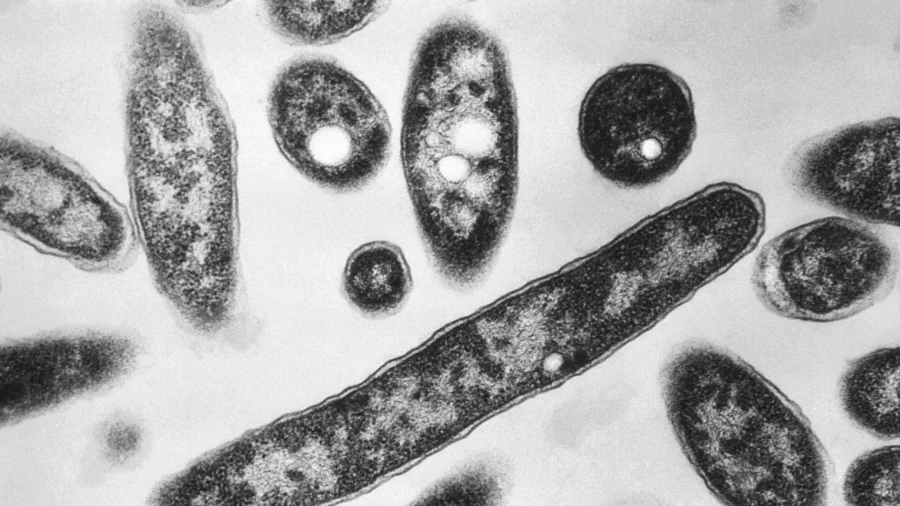
A Legionnaires’ disease outbreak on the Upper East Side has rapidly escalated, with the number of buildings ordered to disinfect their cooling towers more than doubling to 76, New York City health officials announced Tuesday.
“We are inspecting every building with a positive PCR test for the presence of live or dead Legionella bacteria,” New York City Health Commissioner Dr. Alister Martin said in a statement. “We will issue violations to building owners found not to have been properly maintaining their cooling towers.”
“The city has confirmed that there is no additional action needed at this time, and this poses no risk to anyone inside the building,” the museum said in a statement.
The health department has sampled 183 cooling towers in the affected ZIP codes and completed all initial screening tests.
12 People Hospitalized
Legionnaires' disease presents as a type of pneumonia, and symptoms can include a high fever, chills, muscle aches, a persistent cough, and shortness of breath.As of Tuesday, the Health Department reported 63 confirmed cases of Legionnaires’ disease, with 12 people currently hospitalized and 40 discharged. Eleven cases did not result in hospitalization.
While the disease can progress quickly, it is treated with antibiotics. To date, no deaths have been associated with the cluster of Upper East Side cases.
In addition to cooling towers, Legionella bacteria can grow in warm water in places like hot tubs, whirlpools, and hot water tanks.
For example, The Ardsley, located on the Upper West Side at 320 Central Park West, tested its hot water system for Legionella bacteria and found it to be positive, according to the West Side Rag.
The luxury apartment building is located in zip code 10025 and is not part of the Upper East Side disease cluster.
Management for The Ardsley did not respond to requests for comment by the time of publication.
A memo published in the West Side Rag from management at The Ardsley announced that the co-op had retained Metrogroup, a water-management consultant.
“Following its evaluation, Metrogroup recommended that the domestic hot water system be disinfected and flushed,” according to the note the West Side Rag said it obtained from management at The Ardsley.
“Dear Shareholders and Residents, We are writing to inform you that recent testing detected Legionella in samples collected from the building’s domestic hot water system,” the letter states.