


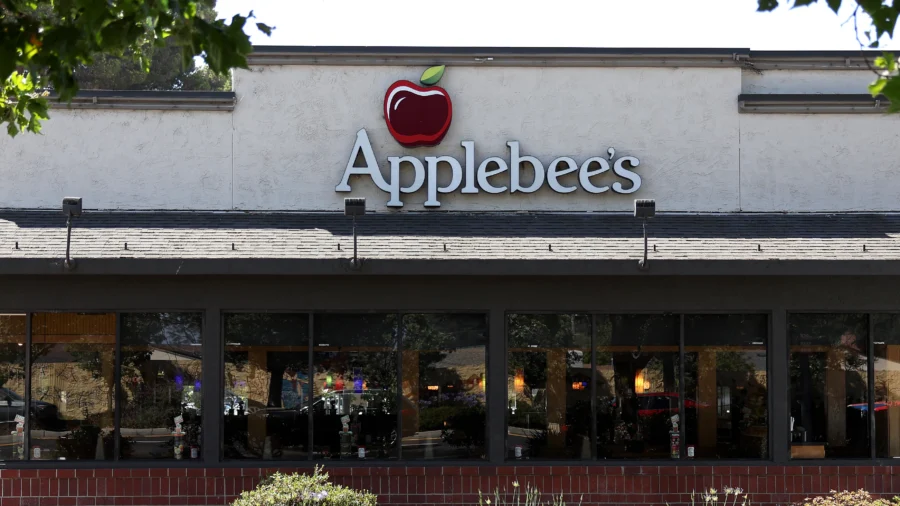
An Atlanta-based Applebee’s franchisee that runs dozens of restaurants in the Southeast has filed for Chapter 11 bankruptcy protection after years of weakening sales and a recent wave of store closures, according to court filings.
Neighborhood Restaurant Partners Florida, which operates Applebee’s restaurants in Florida, Georgia, and Alabama, sought Chapter 11 relief on March 24 in the U.S. Bankruptcy Court for the Northern District of Georgia.
The company reported liabilities between $10 million and $50 million and said it currently operates 53 locations, which it hopes to sell through a court-supervised process by mid-May.
The franchisee’s bankruptcy comes after it shuttered nine restaurants in 2025 and five more in the first quarter of 2026, moves executives described as necessary to stem mounting losses, according to a declaration filed by chief restructuring officer Katie S. Goodman.
Some locations were closed because they were deemed “unprofitable,” and leases for 10 restaurants are slated for rejection in the Chapter 11 case.
The company still accounted for 53 of Applebee’s more than 1,500 restaurants worldwide as of late March.
Neighborhood Restaurant Partners Florida was created in May 2012 to acquire 50 Applebee’s stores in the Tampa and Orlando markets, and later that year, added another 15 locations across Florida, Georgia, and Alabama. The business initially prospered, with combined EBITDA (earnings before interest, taxes, depreciation, and amortization) climbing from $13 million to more than $20 million by 2015. But sales began to weaken late that year and never fully recovered, the company said.
“The companies then experienced periods of ups and downs, as they battled through various unsuccessful strategies and promotions, the COVID-19 pandemic and the inflationary pressures presently impacting the entire restaurant industry,” the company said in the bankruptcy declaration. Inflation has pushed up operating costs while simultaneously straining the franchisee’s core customers, leading to fewer visits and lower average checks.
By the end of 2025, the company’s combined EBITDA had turned negative, even though a number of restaurants remained profitable on their own. The company employs about 2,000 workers across its operations, and on its first day of motions, it asked for permission to keep paying prepetition wages, benefits, and related obligations to avoid harming employee morale and risking further disruption.
The filings describe a lengthy but unsuccessful attempt to avoid bankruptcy through a sale process. In early 2025, the company hired Citizens Bank, an investment banking firm with restaurant experience, to market the restaurants and related assets to potential buyers. Over four to five months, Citizens contacted more than 83 groups, 17 of which initially showed interest, but no buyer agreed to acquire the assets and assume the leases and franchise agreements.
The franchisee is asking the court to let it maintain its existing bank accounts and cash management system, continue customer-facing programs such as gift cards, coupons, and promotions, and pay prepetition sales and use taxes and certain critical vendor obligations.
The company says continued access to cash collateral and uninterrupted utility service is critical to keeping the restaurants open and preserving value while the sale is pursued.