



A jury in Cincinnati has convicted a Chinese intelligence agent over his role in a scheme to recruit spies and steal sensitive American aviation technology for Beijing.
Xu Yanjun, a deputy division director at the Chinese Ministry of State Security, Beijing’s top intelligence agency, was found guilty on all four counts, including conspiring to and attempting to commit economic espionage and stealing trade secrets, according to the Justice Department.
He was the first-ever Chinese intelligence agent to be extradited to the United States to stand trial. Xu was transferred from Belgium in 2018 after an engineer he targeted for recruitment cooperated with the Federal Bureau of Investigation (FBI) to lure him to the European country.
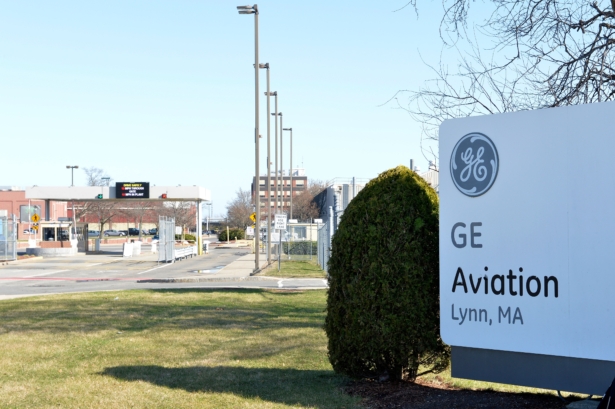
The companies Xu targeted included GE Aviation, an Ohio-headquartered company that has designed an exclusive composite aircraft engine fan that no other company in the world has. Xu had attempted to steal the proprietary engine fan technology to benefit the Chinese state, Vipal Patel, acting U.S. Attorney for the Southern District of Ohio, said on Friday.

Xu had pleaded not guilty but was convicted of all charges following a nearly three-week-long trial. He now faces up to 60 years of prison term in total with an over $5 million fine. He will be sentenced by a federal district court judge, although no sentencing date has been set.
Since December 2013, federal prosecutors said, Xu had been recruiting employees from companies considered as industry leaders in the United States and abroad. He had used multiple aliases, including “Qu Hui” and “Zhang Hui” to perform his duties for Beijing, and represented himself as an associate of Jiangsu Science and Technology Promotion Association to conceal the nature of his work, court documents show.
Xu would pay the recruits to travel to China, often under the guise of exchanging ideas or giving a presentation at a university. The targeted individuals also received stipends on top of compensation for their travel costs.
Xu in 2017 solicited a GE Aviation engineer in Cincinnati to give a report at a Chinese university, covering highly technical topics such as the company’s engine structure design, according to court filings. Xu paid $3,500 for the trip along with associated expenses for meals and lodging.
The engineer started working with the FBI in November 2017 after an FBI home search.
Hull said Xu’s cell phone had helped the FBI understand how Chinese spies operate and uncover those within Xu’s networks.
“People in intelligence like us—we focus on aviation,” said a message sent from Xu to a co-worker in 2016, Hull read out in court, local media reported. “The leadership asks you to get the materials of the U.S.—the U.S. F-22 fighter aircraft. You can’t get it by sitting at home.”
Xu has been a state agent since 2003. Prosecutors at the trial displayed an image of Xu’s Chinese Communist Party membership card taken from his phone after his arrest, which Hull said was previously unknown to the FBI.
"For those who doubt the real goals of the PRC, this should be a wakeup call; they are stealing American technology to benefit their economy and military," said Alan E. Kohler Jr., assistance director of the counterintelligence division for the FBI, who used the acronym for People’s Republic of China, according to a press release.
"The answer of the United States to another country’s ambition to gain through theft is simply to hold people accountable under the law. I’m proud to be an American," Glassman said.
Assistant U.S. Attorney Tim Mangan told the jury in his closing statement that “nearly all of” the evidence in the case came from Xu’s own words—referring to text messages, emails, calendar entries and other electronic records that FBI retrieved from Xu’s phone.
“It shines a light on what his deeds were … and a clear window into his intent,” he said, according to WCPO.