


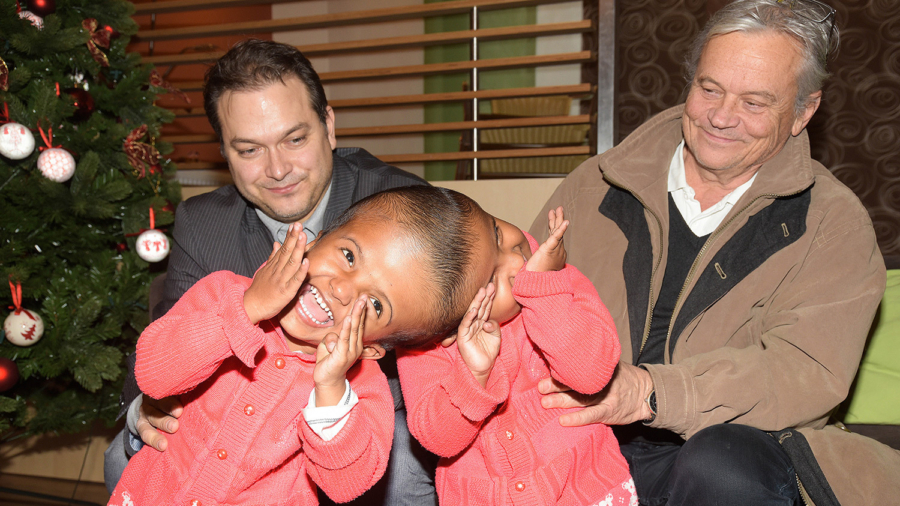
Two Bangladeshi girls who were born conjoined at the head have been successfully separated by a medical team led by 35 Hungarian doctors.
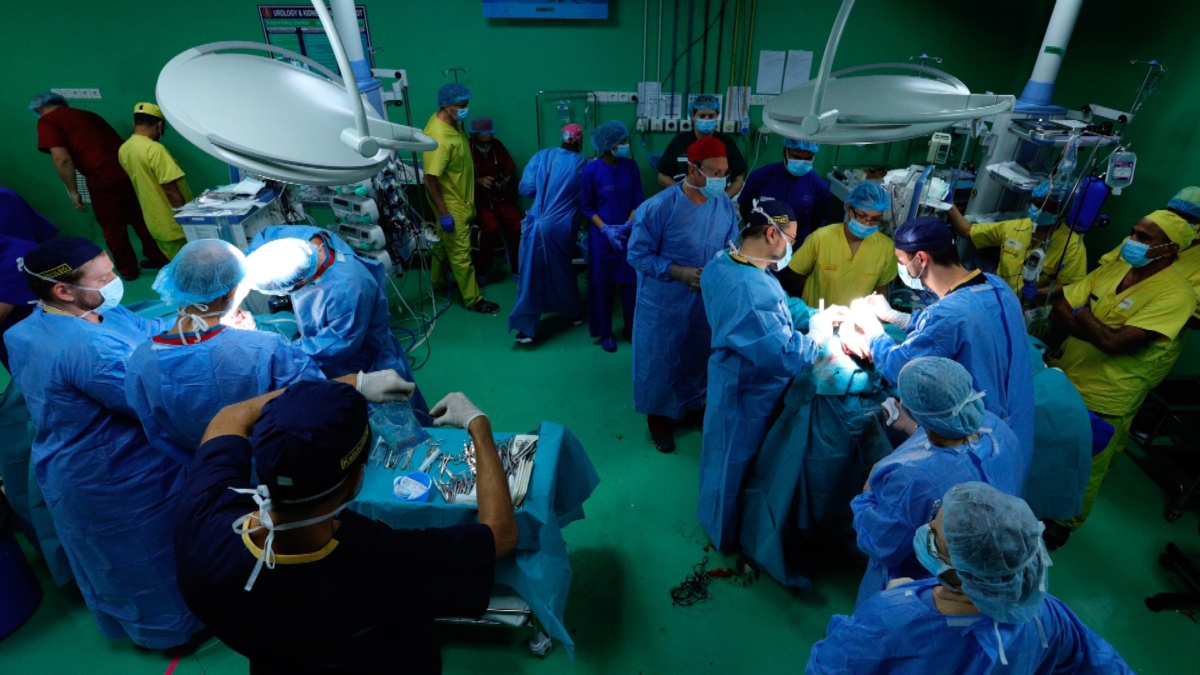
The 3-year-old sisters, Rabeya and Rukaya, were in a stable condition after the 3o-hour procedure ended on Friday, Aug. 2 at a military hospital in Dhaka, the Bangladeshi capital.
The medical team of a Hungarian charity, Action for Defenseless People Foundation (ADPF), was led by Dr. Andras Csokay, a neurosurgeon.
According to ADPF, only a handful of operations to separate twins joined at the head have ever been successful.
The separation process dubbed “Operation Freedom” was a cooperative effort between doctors from both countries.
"We are really grateful to the doctors and others in Bangladesh who helped us. Today, we feel a bit relieved," the twin sisters' father, Rafiqul Islam, told news outlets.
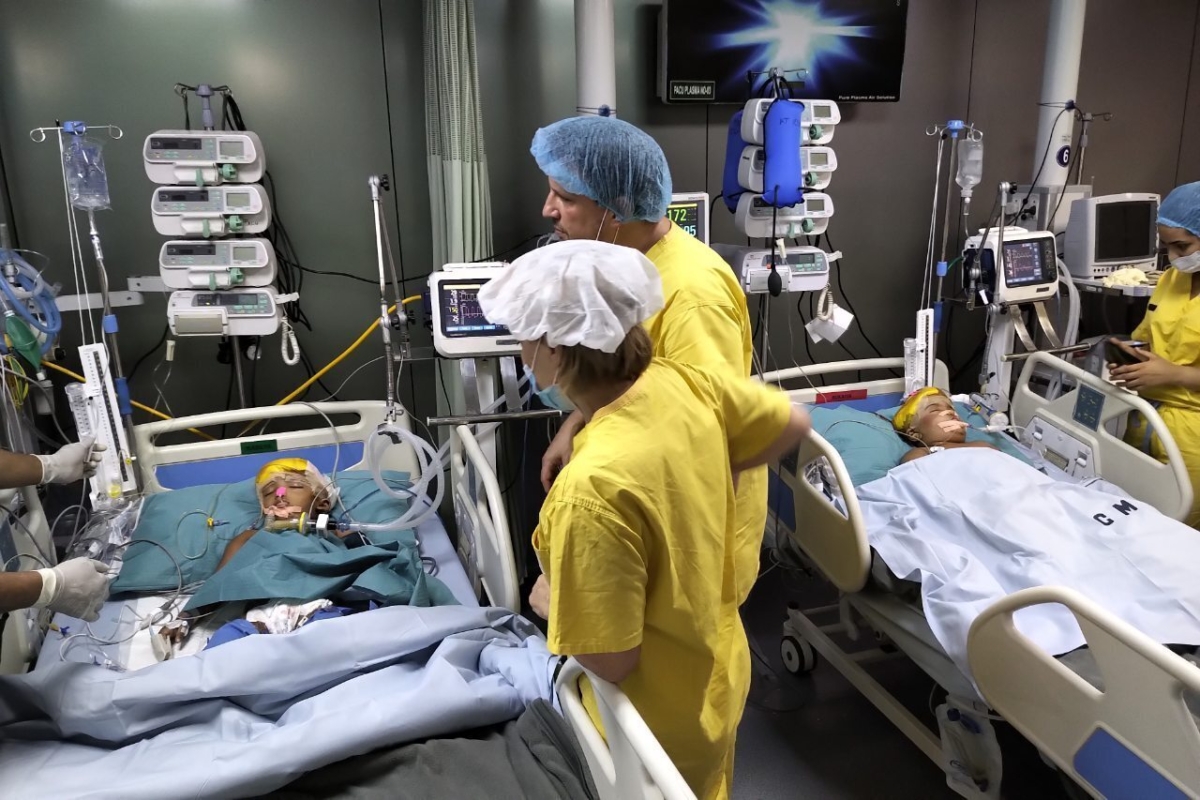
Three operations were needed to separate the girls. The process began last year in Dhaka, with the separation of the shared cerebral vein parts in the twins' brains.
The second phase began earlier this year in January, the twins were moved from Dhaka to Budapest. Here, the sisters were implanted with a special, Hungarian-designed system to expand their skin and soft tissue.
A group of ADPF doctors, supported by doctors with different medical backgrounds, also mapped out the two brains, using 3D animation software in what Csokay and plastic surgeon Gergely Pataki said was one of the biggest challenges, AFP reported.
"This was one of the biggest most challenging malformations that I have ever seen," Pataki told AFP in Budapest last month.
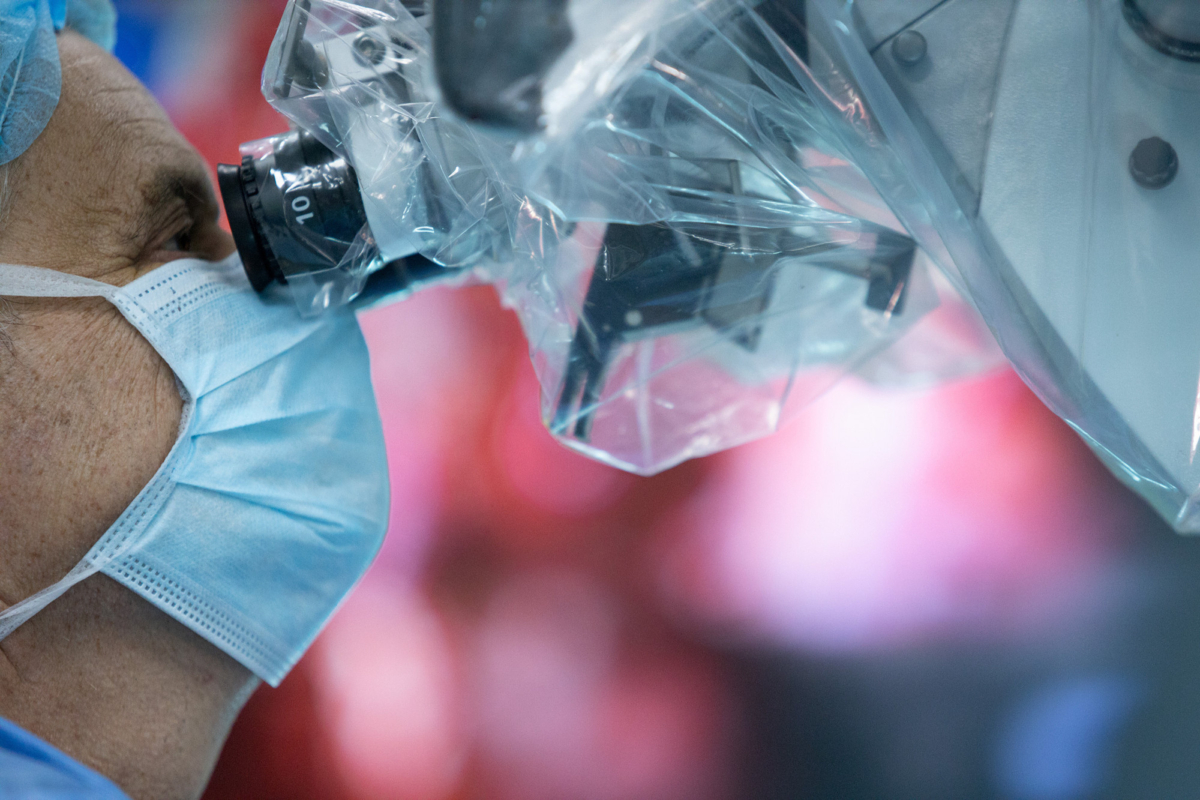
Much of the ADPF's work is based on volunteers.
"We carry out free surgeries at home and abroad, coordinate medical consultations, organize education, and assist with the purchase of medical equipment, specialized hospital furniture, and rehabilitation equipment," the website states.
The separation of Rabeya and Rukaya was not the first case of Siamese twins being born and separated in Bangladesh.
Conjoined at the Skull
Conjoined at the skull is a rare condition that affects one out of around 70,000 in the United States.Though the twins are back home, the girls will still require many more operations down the road to introduce bone to shore up their skulls and straighten their hairlines. The twins still have to attend many followup doctor appointments and sessions for feeding and speech therapy.