


Connecticut voters no longer need a reason to use mail-in ballots in elections and primaries.
The question on the ballot amendment was "Shall the Constitution of the state be amended to permit the General Assembly to allow each voter to vote by absentee ballot?"
“By expanding access to absentee ballots, we are removing unnecessary barriers and making it easier for people to participate in the process that shapes their communities,” Lt. Governor Susan Bysiewicz said.
Previously enacted state statutes only permitted absentee voting to those who were unable to appear in person at their polling place on election day for specific reasons.
The reasons included active service in the U.S. Armed Forces, absence from their town, sickness, physical disability, religious conflicts, or service as an elections worker.
Not everyone views the new law as a positive development.
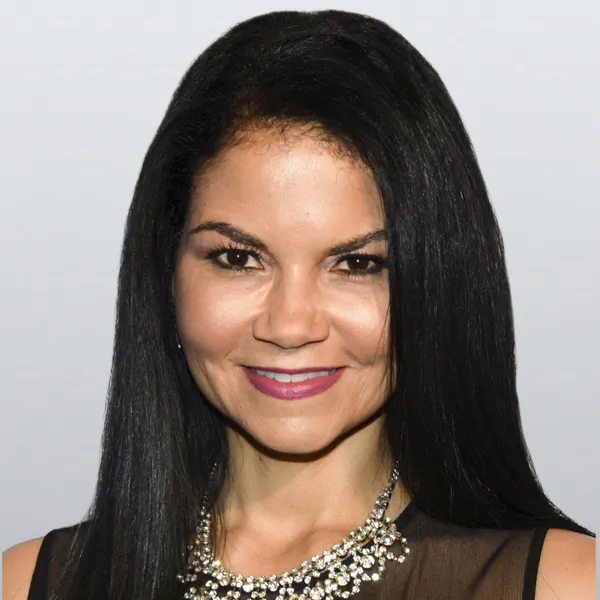
The more mail-in ballots, the harder it is to verify the person who cast the vote, according to Fight Voter Fraud founder and CEO Linda Szynkowicz.
“This is the most ridiculous thing you could ever do because, as we all know, through absentee ballots is where probably 85 percent of the fraud is,” Szynkowicz told NTD.
Lamont did not respond to requests for comment.
Connecticut is one of a coalition of 23 states that is suing President Donald Trump in the U.S. District Court for the District of Massachusetts over his March 31 Executive Order requiring federal review of voter eligibility and mail voting lists.
A hearing is scheduled for June 2.
“By providing absentee voting for all and the nation’s strongest protections against intimidation or interference—including by the Trump administration—this bill will help ensure that’s true in Connecticut. Implementing absentee voting for all has been the culmination of almost a decade of work, and I’m honored to have been a part of it,” Blumenthal said.
Public Act 26-42 also restricts federal law enforcement officials from being within 250 feet of a polling place or other sensitive election sites without permission from state election officials or court order.