


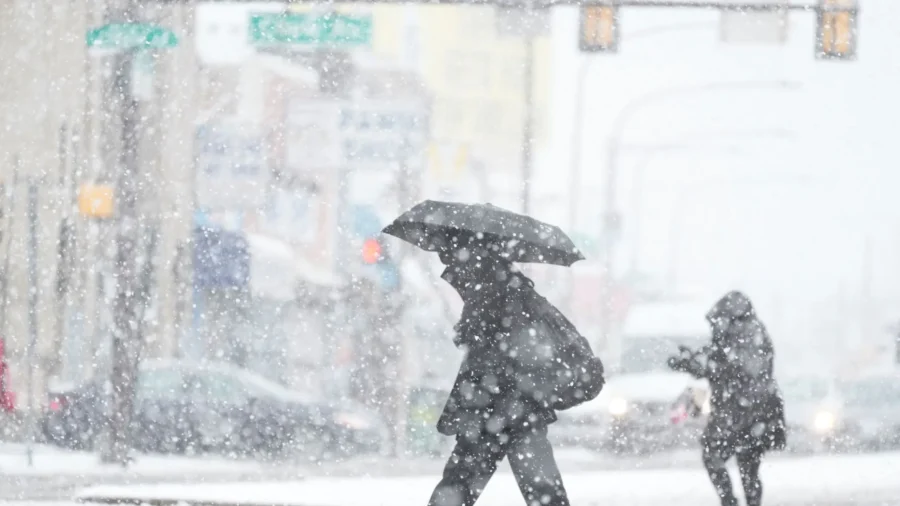
The shorter days and fading sunlight are causing noticeable changes in mood and energy for millions of Americans nationwide—a shift often referred to as the "winter blues." But when symptoms are more severe, they may signal a more serious medical condition.
“Researchers believe that wintertime SAD is caused by reduced daylight, which can desynchronize our internal circadian rhythm from the natural light cycles outside.”
"As a mental health issue, SAD is more than just being down about the season—it actually tends to keep you down and affects you day after day," holistic physician Dr. Bradley Nelson told NTD.
"In Western medicine, depression itself is seen as the problem. Depression is certainly a difficult state to be in, but in reality, as with every other symptom that we experience, depression is a message," Nelson said.
"There may be many underlying causes, but taking medication to address the outward symptoms will not address those causes."

Mitigating Seasonal Depression
In addition to fatigue and feelings of sadness or anxiousness, symptoms of SAD may include trouble concentrating, oversleeping, irritability, weight gain caused by increased eating, and even suicidal ideation.Get Some Sun
Reduced sunlight can lower levels of serotonin, an important neurotransmitter that regulates various bodily functions, including mood, sleep, and appetite. So getting some sun each day may help boost one's overall physical and emotional well-being."Light is invigorating and mood-lifting," Matzo shared. "To fight SAD, the answer is to provide more light where it is missing."
If a short outdoor walk under the sun isn't possible, Matzo suggested bright light therapy, which is the standard treatment for SAD.
“Light therapy is most typically prescribed in the early morning, which studies show is the most effective time to shift circadian rhythms to associate with the environment,” Matzo said. “Because light therapy is replacing what is missing, using light therapy near the end of the day also can be effective so that you don’t feel the ‘suddenness’ of the winter darkness.”
Exercise Regularly
Regular exercise can help fight seasonal depression by boosting endorphins—the body's natural mood-lifters and pain relievers—and burning off stress hormones, such as adrenaline and cortisol, Harvard Health Publishing reports.Eat Healthy
A 2017 meta-analysis published in the journal Psychiatry Research found a correlation between the Western pattern diet, which is high in processed meats, refined grains, and sweets, and an increased risk of depression. Since nutrients directly affect the brain's structure and function, consuming a healthy diet can be crucial for combating seasonal depression.Prioritize Restful Sleep
The shorter days and longer nights in winter can make people feel sluggish and sleep longer. Setting a proper sleep schedule may help counter the winter slump. The Mayo Clinic recommends scheduling times to wake up and go to bed each day. Reducing—or eliminating—napping and oversleeping can also be helpful."Even if you are losing 10 percent of your usual functioning this season, if you’re feeling just a bit more tired, more down or weary, it’s something that needs to be identified and addressed," Matzo said. "You want to have peak experiences and joy of life, don’t let the darkness take that from you."