


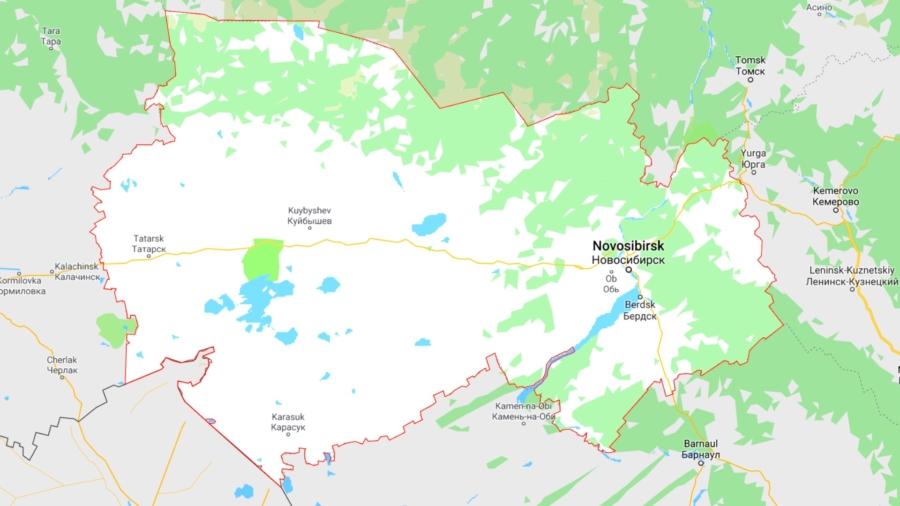
An explosion has caused a fire at a Russian biological research facility that is one of only two centers in the world known for housing samples of the smallpox virus.
In its statement, Vector said that no biohazard material was being stored in the room where the explosion took place. The city's mayor also insisted that the incident does not pose any biological or any other threat to the local population, according to TASS.
The fire broke out when a gas cylinder exploded on the fifth floor of the six-story laboratory building in the city of Koltsovo. The blast caused windows to smash but there was no structural damage to the building, TASS reported.
The head of the Koltsovo science city, where Vector is located, told Russian state news agency RIA-Novosti that there was no biological threat.
The U.S. Centers for Disease Control and Prevention is the only other center in the world approved and known to have live samples of the deadly smallpox virus.
Could Viruses Survive a Blast?
Dr. Joseph Kam, Honorary Clinical Associate Professor at the Stanley Ho Centre for Emerging Infectious Diseases (CEID) told CNN that rules for storing viruses are very strict and highly dangerous diseases such as Ebola and smallpox would be stored in the highest "Level 4" laboratory.Access to the samples would be limited, special containers are used and the storage mechanism is different from other laboratories, Kam said.
He added that while fire would be hot enough to destroy viruses, an explosion could risk spreading the virus and there would be a danger of infecting those in the room or contaminating the immediate area.
"Viruses are fragile and more than 100 degrees or more will kill them," Kam said. He added that under certain circumstances, an explosion could spread the virus. "Part of the wave of the force of the explosion would carry it away from the site when it was first stored," he said. That contamination zone could be 10 to a few hundred meters depending on the size of the blast and other factors such as wind speed and direction, and whether it was an airborne virus.
The incident comes just weeks after an explosion near the site of a suspected failed missile test in northern Russia that killed at least five nuclear specialists and caused radiation levels to spike. Conflicting official accounts regarding the incident heightened concerns of a potential cover-up.