


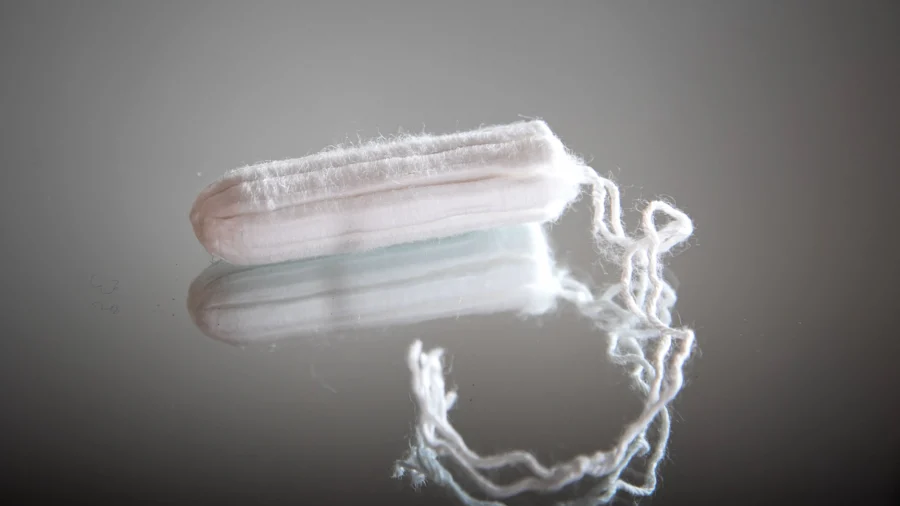
The U.S. Food and Drug Administration announced this week that while tampons contain trace amounts of metals, they do not leak them into a woman’s body in amounts that cause a health risk.
"The available evidence continues to support the FDA’s conclusion that tampons remain a safe menstrual product option," the FDA said.
After soaking hygiene products for 24 hours in 50°C acidified water, the FDA used inductively coupled plasma mass spectrometry (ICP-MS) to analyze the fluid.
The investigation detected 19 metals, including trace levels of arsenic, cadmium, and lead, according to the FDA, and a Toxicological Risk Assessment (TRA) based on ISO 10993 standards showed a negligible toxicological concern in the detected metals.
"What surprises me is that although it's confirmed that harmful substances are in tampons, it's still considered a safe menstrual option," Herplum.com founder and CEO Natasha Hall told NTD.
Herplum.com is a feminine hygiene and wellness brand. Study authors did not respond to requests for comment.
Hall is disappointed that the research was not based on a lifetime of menstruation.
Women typically begin menstruating as pre-teens at 12 to 12. 5 years old, according to the Cleveland Clinic, and stop menstruating permanently at an average age of 51 to 52 years old.
“Women menstruate from three to more than seven days per month, on average, over a 40-year period,” Hall said.
The FDA also did not identify the specific 11 brands of tampons that were tested.
The anonymity indicates a harmful lack of transparency, according to Hall.
“It puts women and the women's health industry at a detriment due to lack of awareness,” she said.
The FDA did not respond to requests for comment by the time of publication.
Ideally, Hall would like to see the FDA require tampon manufacturers to disclose ingredients.
“That would ensure the customer is aware of the chemicals that can be absorbed into their bodies and the potential impact that it may have,” she said. “Once they are aware of this information, it gives them the opportunity to choose and/or demand safer menstrual care.”
Hall added that buying organic isn’t a guarantee that the tampon will be metal-free.
Organic tampons are made with 100 percent certified organic cotton, which means they don’t have rayon, synthetic fibers, dyes, and chlorine bleach.
“They could still contain heavy metals,” Hall said. “The safest path is to confirm that the pads have been tested for harmful substances.”