


A fifth person has died in connection with a cluster of Legionnaires' disease that broke out on Manhattan's Upper East Side earlier this month, local health officials said Tuesday.
The agency said no new cases have been diagnosed in the past six days and no one has reported any new symptoms in more than ten days, though officials said these figures could change as the investigation into the outbreak continues.
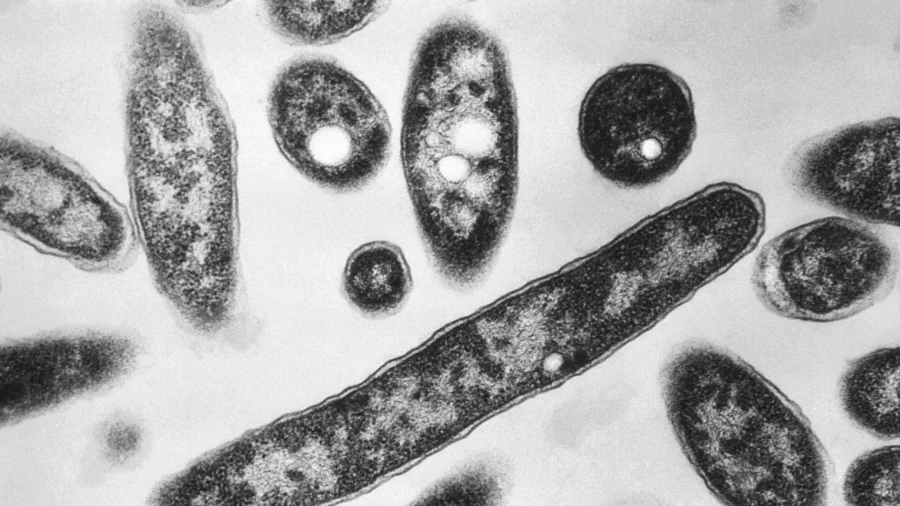
According to the Centers for Disease Control and Prevention, Legionnaires' disease is a serious form of pneumonia caused by the Legionella bacteria. The illness is typically contracted by inhaling mist contaminated with the bacteria and is not usually spread through person-to-person contact, the health agency said.
Symptoms typically develop within two to ten days after exposure and may include headaches, muscle aches, high fever, chest pain, shortness of breath, nausea, vomiting, and diarrhea. The disease can often be treated with antibiotics when diagnosed promptly. Early diagnosis and treatment can help shorten recovery time and reduce the risk of serious complications.
Officials confirmed Tuesday that testing had detected live Legionella bacteria in 34 cooling towers across 33 buildings on the Upper East Side. The health department said all of the affected cooling towers have since been cleaned and treated, while testing continues at more than 100 cooling towers in the area.
In a statement, Martin said the department has responded "rapidly and aggressively" to the recent cluster.
"With two confirmed cases, we launched our investigation and directed every building with an initial positive test result to immediately clean and disinfect its cooling tower," he added. "These actions have saved lives."
Martin noted that officials believe their testing and remediation efforts have successfully eliminated the risk of exposure.
"We will learn more as our investigation unfolds and look forward to updating our existing policies and procedures to preventing future clusters," he said. "Right now, we are focused on identifying the source of exposure through laboratory analyses and holding accountable anyone found out of compliance with local laws."