


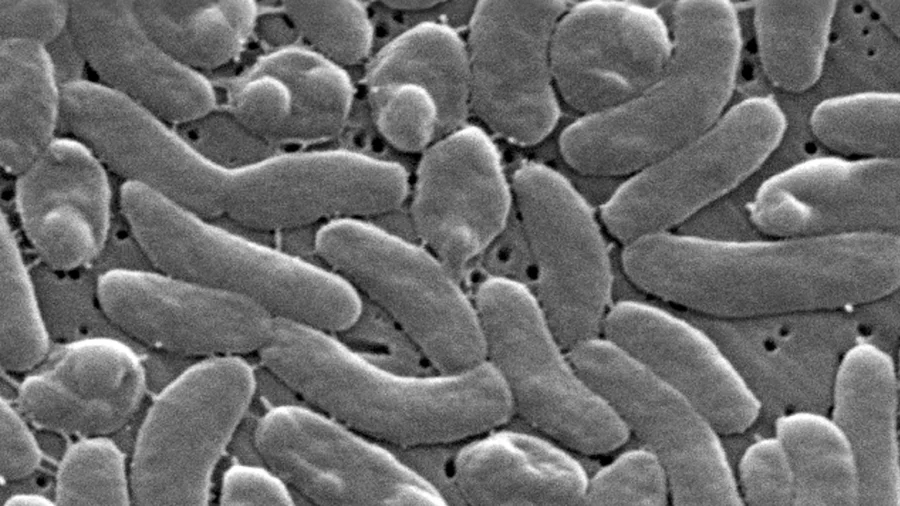
Vibrio vulnificus thrives in seawater and the brackish water mixture found in estuaries and lagoons. The bacteria can infect humans through two primary routes: consuming raw or undercooked shellfish, particularly oysters, or through contact with coastal waters when bacteria enter small breaks in the skin.
Health officials recommend several key prevention measures for coastal water activities. Individuals with unhealed cuts, scrapes, recent piercings, tattoos, or surgical incisions should avoid saltwater and brackish water entirely. When exposure is unavoidable, wounds should be covered with waterproof bandages.
Following any contact with coastal waters or raw seafood, the CDC advises immediately washing cuts and scrapes with soap and clean running water.
Medical attention should be sought immediately if symptoms occur, such as fever, chills, and hot red skin areas that darken and blister.
Individuals should also be careful when eating seafood, as health officials advise against eating raw or undercooked oysters or other seafood, noting that contaminated oysters cannot be identified by appearance alone.
Proper handling includes washing hands with soap and water after touching raw shellfish and wearing protective gloves for those with weakened immune systems. The CDC provides specific cooking instructions for clams, mussels, and other shellfish, recommending disposal of any shellfish with open shells before cooking.
Cross-contamination must be prevented by ensuring raw seafood, its drippings, and juices do not touch other foods.
"This ain't nothing to play with," said Bernie Stewart, a 65-year-old retired bounty hunter who survived a Vibrio vulnificus infection following 10 surgeries and a near-death experience. His survival serves as a stark reminder of what beachgoers face in contaminated coastal waters.
Bacteria Spreading Along Eastern Seaboard
Traditional hotspots along the Gulf Coast are experiencing their typical seasonal surge, but the bacteria's reach is expanding. Infections have now been documented as far north as New England, with Massachusetts recently issuing an alert following a Cape Cod case.The Gulf's water is "the perfect convergence of the right amount of salt and the right amount of heat to let this organism proliferate," said Dr. Fred Lopez, an infectious diseases specialist at the LSU Health Sciences Center in New Orleans.
Vibrio vulnificus, the most lethal among more than a dozen types of Vibrio bacteria, is responsible for approximately 200 infections annually nationwide, according to CDC data. With a mortality rate of up to 20 percent—substantially higher than other Vibrio strains—this summer's surge is prompting health officials to issue warnings as peak infection season continues through October.
Louisiana has seen a spike this summer, reporting 20 Vibrio vulnificus cases among residents as of late last week. All patients required hospitalization, and four died—representing more than double the typical case count for this time of year and four times the usual death toll, according to state health officials.
However, other Gulf states are not seeing similar increases. Florida has documented 17 cases and five deaths this year, compared to 82 cases and 19 deaths during the same period last year, according to the Florida Department of Health.
State officials note that Florida typically sees higher case numbers during years with tropical storm activity, and hurricane season is just beginning, Lopez noted.
Medical treatment becomes challenging when the bacteria enter through skin wounds rather than through eating contaminated seafood. According to Lopez, antibiotics effective for food poisoning cases don't work as well for skin-entry infections.
"They may require multiple surgeries to remove dead or infected tissue, and sometimes require amputation," he said.
Severe cases most commonly affect elderly patients, individuals with compromised immune systems, and those with liver disease, diabetes, or certain chronic conditions.