


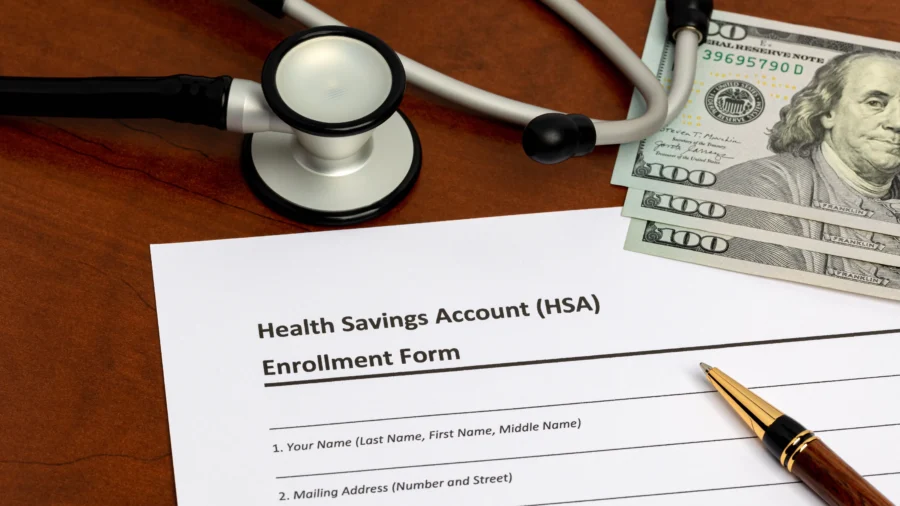
Now, Uncle Sam is adding to HSA program services via the One, Big Beautiful Bill Act legislation enacted in 2025, mostly with expanded HSA eligibility, which paves the way for more Americans to use the program’s save and pay model for handling healthcare costs through tax-free HSAs.
HSA contribution limits for 2026 are also changing, with maximum contribution limits for HSAs rising to account for generally higher inflation across the United States. Under the new adjustments, single Americans can contribute up to $4,400 in account funding, representing a $100 increase from the 2025 HSA contribution limit. U.S. families can expect a contribution increase of $200, which stacks the maximum annual contribution to $8,750.
With the White House and Congress ramping up program features, it’s a good time for non-HSA participants to kick some tires and look into these HSAs, financial experts say.
“Health savings accounts are what are known as 'triple tax advantaged' accounts, as you get a deduction for contributions, tax-free growth and tax-free withdrawals for qualified health care costs,” Scott Brown, founder of Mintwit, a financial advice platform, told NTD News.
“Once you turn 65, you will be able to withdraw money from your HSA and spend it on anything just like with an IRA account.”
Know the Eligibility Requirements
Health Savings Account eligibility requirements are clear cut. First, you must be enrolled in a qualified High-Deductible Health Plan. For self-only HSA coverage, the minimum annual deductible must be at least $1,700, and the annual out-of-pocket expenses cannot exceed $8,500, according to the U.S. Internal Revenue Service.HSAs Are Not Checking Accounts
The largest problem that Brown sees with health savings accounts is people using HSAs as a checking account rather than an investment vehicle.“Using HSAs as investment accounts means contributing the most money possible, growing it aggressively (especially if you're younger) and paying for medical expenses out-of-pocket and letting the account compound,” Brown said.
Best Ways to Optimize Your HSA Experience, Savings-Wise
Finance experts say the single biggest leak in the HSA system is one that plan participants often miss—paying medical bills you were never actually owed.“I've seen firsthand how billing errors are rampant,” Yahya Khan, founder at Alliance Medical Revenue Group, told NTD. “Studies found that 49 to 80 percent of medical bills contain at least one error, meaning a significant portion of what patients pay out of pocket, including HSA dollars, might be inaccurate.”
That’s why it’s a good idea to always request an itemized bill and verify it against your Explanation of Benefits (EOB). “That habit alone can save hundreds of dollars annually,” Khan said.
Beyond that defensive move, Kahn suggest investing your HSA account balance rather than letting it sit idle. “Additionally, make sure you’re paying medical expenses out of pocket now and reimbursing yourself later so your HSA grows tax-free, and you're coordinating contributions with your spouse's benefits to maximize household savings,” he advised.