


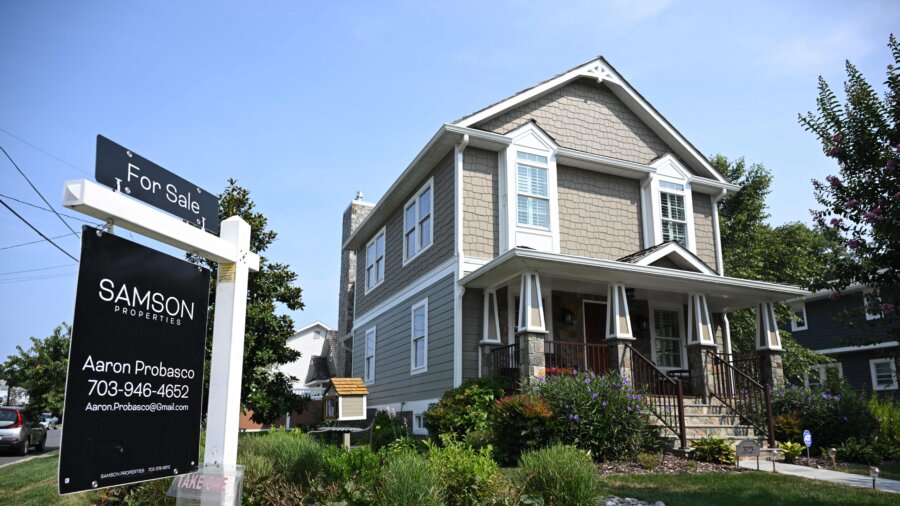
Not all homes are available on the open market. If you’re looking for a bargain that’s a fixer-upper, you might want to work with a bank or government agency. Foreclosure homes can be a great deal.
Fannie Mae Government-Sponsored Enterprise
Sponsored by the U.S. government, Fannie Mae provides liquidity and stability to the housing market. It purchases mortgages from lenders and sells them on the open market.Fannie Mae HomePath Properties
Fannie Mae HomePath properties are sold directly by Fannie Mae to a traditional buyer or investor. Fannie Mae acquires the properties in one of two ways.One is if the house has gone through foreclosure, and Fannie Mae owns the mortgage. In this circumstance, Fannie Mae, as the lien holder, now owns the house. The other way is through a deed in lieu of foreclosure. This is when the homeowner surrenders the house and walks away without receiving a foreclosure on their credit report.
HomePath Program
HomePath is a homebuyer program offered by Fannie Mae. These homes aren’t guaranteed to be move-in ready and may need extensive repairs or renovations. If you go this route, be prepared for some costs.You don’t have to be a first-time buyer to purchase a home through HomePath. Investors, first-time buyers, and repeat buyers can all participate.
If you’re buying as a resident, not an investor, Fannie Mae’s First Look program lets you submit offers for 30 days before investors can bid on the property. Just look for the First Look icon on the property page. This gives you an opportunity to beat the competition.
Your real estate agent can make an offer on your behalf using the HomePath Online Offer Process.
HomeReady Loan
If you’re buying the house for a primary residence and having trouble with the down payment, the Fannie Mae HomeReady program will help. It offers flexible down payment requirements and an inclusive definition of income to help responsible borrowers in the low-to-moderate income range qualify for a mortgage.With a Home Ready loan, you can cover the down payment with funds from multiple sources. These sources include gifts, grants, second mortgages, and rental property (if part of the property purchased).
Lenders receive a $500 loan-level price adjustment credit when Fannie Mae purchases a loan secured by a HomePath property. According to Fannie Mae, some requirements must be met, one of which is passing the credit to the borrower to cover the appraisal cost.
Downsides to a HomePath Home
Although you may be able to score a deal on a HomePath house, there are some potential pitfalls.As mentioned, the house is sold “as is.” Fannie Mae doesn’t have to make repairs to issues found during inspection. Therefore, ensure that you have the home inspected and prepare to walk through it if needed.
Fannie Mae doesn’t accept contingent offers. So you might not want to make an offer on a home if you haven’t sold your current home. Otherwise, you’ll have two mortgages.
One of the most significant drawbacks is the lack of disclosures. You won’t have the previous owner disclosing problems with the property. Is there mold? Have the pipes exploded in the past? You won’t know what you’re buying until you’re living in the house.
There’s not always a lot of selection in an area. It depends on the market’s economic conditions. If inventory is scarce, you should expect heavy competition.
Steps to Buying a Fannie Mae HomePath Property
First, find an approved real estate. To buy a HomePath property, you must work with a licensed real estate agent.Next, you’ll need to be preapproved by a lender. Your financing should be secured before submitting any offers. This way, your final loan approval amount will help strengthen your offer. If you are paying cash, skip this step.
One requirement of the HomeReady mortgage is completing a homeownership education course through a Housing and Urban Development (HUD)-approved agency. You also may participate in the HomePath Ready Buyer program. This also includes a homeownership education course.
Fannie Mae HomePath Properties: A Viable Choice
Whether you need an inexpensive fixer-upper for your primary residence or are a house flipper, the Fannie Mae HomePath program may be for you.The views and opinions expressed are those of the authors. They are meant for general informational purposes only and should not be construed or interpreted as a recommendation or solicitation. NTD does not provide investment, tax, legal, financial planning, estate planning, or any other personal finance advice. NTD holds no liability for the accuracy or timeliness of the information provided.
From The Epoch Times