


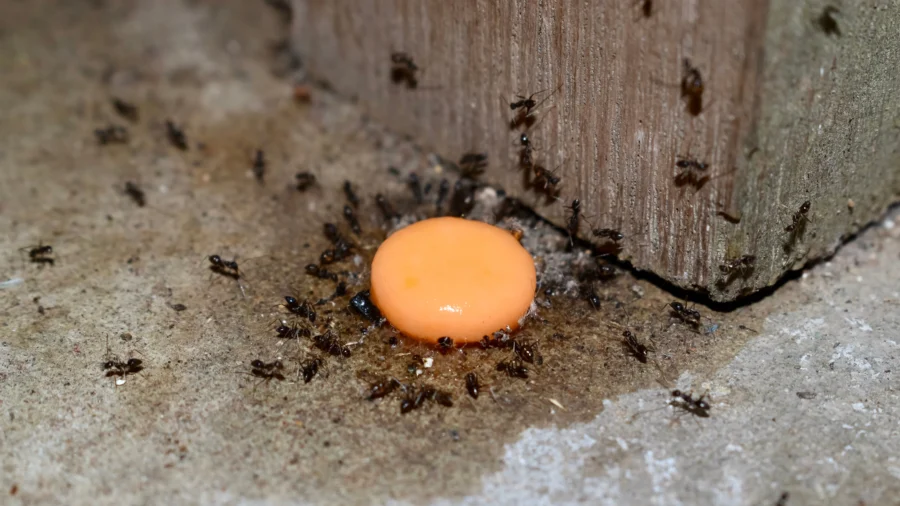
A Georgia professor is sounding the alarm over the threat of invasive and potentially fatal Asian needle ant stings because the ant population peaks in the summer months and there’s been an uptick in the number of complaints about the pesky insect.
“July and August is when this ant is most plentiful,” University of Georgia professor of urban entomology Dan Suiter told NTD in a phone interview on May 9.
Also known as Brachyponera chinensis, the Asian needle ant’s natural habitat is in Eastern Asia countries, such as China, Japan, and the Koreas.
Suiter considers the Asian needle ant medically important because a sting can cause anaphylactic shock. Symptoms typically include a rash, skin irritation, coughing or trouble breathing.
“I got several calls from homeowners who had been stung by this ant and suffered anaphylaxis last year, which is a kind of trend because in 25 years, I've received one call about somebody being stung by fire ants that suffered anaphylaxis,” Suiter said.
Although the Asian needle ant’s presence was identified in the United States as far back as 1932 and classified as a pest in 2006, their appearance was first reported in the state of Indiana in 2022, according to a Purdue University study, indicating that the ants are spreading.
The U.S. Department of Agriculture has also identified the ant species as capable of invading many of North America's temperate forests.
“If you live in a part of your backyard that’s populated by mature hardwood trees, that's the area we see them in and to the point that they're invading, we've seen them here in Georgia invading national forests and that’s doing things to the insect fauna of those areas,” Suiter said.
The USDA did not respond to requests for comment by press time.
Suiter describes the ants as tiny and blackish-brown in color and recommends taking pictures of it.
“Send it to your county extension agent and they will get it to an entomologist,” he said. “It's just this cryptic ant. They're solitary and people just don't realize they're there unless you have an entomologist that's cataloging the ants of a state.”