


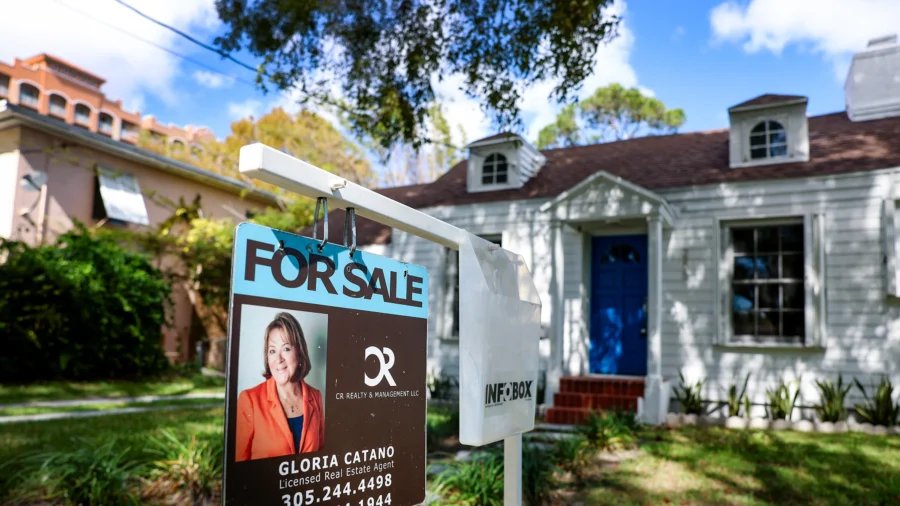
In terms of the number of properties, they bought 78,100 units, a 44 percent increase from the prior year. This was also the first annual increase since 2017. The average purchase price was $494,400, a “record high,” NAR said.
“International interest in buying U.S. real estate increased following the global economic recovery from several years of pandemic-related disruptions,” NAR chief economist Lawrence Yun said in a statement.
“However, elevated home prices and interest rates continue to dampen overall potential sales activity and remain well below pre-pandemic levels.”
China was the top buyer nation of U.S. existing homes, making up 15 percent of all foreign purchases. Canada was a close second at 14 percent, followed by Mexico at 8 percent, India at 6 percent, and the United Kingdom at 4 percent.
The top housing market for international buyers was Florida, which accounted for 21 percent of all such deals. This was followed by California (15 percent), Texas (10 percent), New York (7 percent), and Arizona (5 percent).
“To some degree, due to stubbornly high mortgage rates, a greater share of international home buyers paid cash—47 percent compared to 28 percent among all buyers—and they were more likely to purchase homes priced in the upper end of the market,” Yun said.
“Foreign buyers are drawn to investing in American real estate, in part, by our country’s strong protection of private property rights.”
Among all foreign purchases, 56 percent were made by foreigners who live in the United States as recent immigrants or who have visas allowing them to reside in the country.
The number of Canadian users on the Redfin platform searching for homes in the United States decreased by 26.4 percent from a year earlier in May.
Canadians searching for American homes started “declining significantly” from February, Redfin said.
“People from Canada are retreating from owning real estate in the U.S. because of political tensions; some of them are worried it will no longer be practical to travel back and forth between the two countries, and some don’t want their money tied up in the U.S.”
International buyers purchasing residential properties in the United States can have both positive and negative effects. For one, it brings in capital and can stimulate economic growth. Some areas would benefit from foreigners buying property, as it could push up property values.
On the other hand, there may not be significant changes in prices, while foreign purchases create financial challenges for local residents seeking affordable housing.
Prospective buyers are already facing difficulties in finding an affordable home.
Both of these factors make purchasing a home an expensive option for many households.