


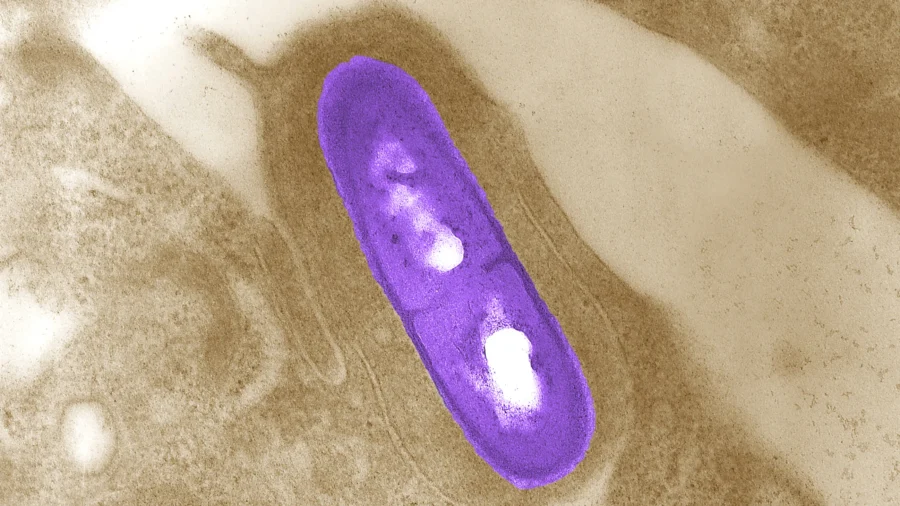
Federal health officials are investigating a multistate listeria outbreak tied to ready-to-eat foods produced by a California company. At least 10 people have been hospitalized in California and Nevada, according to the U.S. Food and Drug Administration (FDA) and Centers for Disease Control and Prevention (CDC).
The outbreak, traced to products from Fresh & Ready Foods LLC based in San Fernando, has led to a voluntary recall of sandwiches and snack items distributed to retailers and food service locations in Arizona, California, Nevada, and Washington state, according to the FDA.
The affected products, sold under the brand names Fresh & Ready Foods, City Point Market Fresh Food to Go, and Fresh Take Crave Away, are marked with “use by” dates from April 22 to May 19, 2025.
The agency advised against eating, selling, or serving any of the recalled products and to thoroughly clean and sanitize surfaces or containers that may have come into contact with the products, noting that “Listeria can survive in refrigerated temperatures and can easily spread to other foods and surfaces.”
Six of those affected had previously been hospitalized before developing listeria infections, and foods produced by Fresh & Ready Foods were confirmed to have been served in at least three of the healthcare facilities where these patients were treated, according to the FDA.
Federal officials initially began investigating the outbreak last year but were unable to find a source until April 2025, when FDA investigators found listeria in environmental samples taken from Fresh & Ready Foods’ facility.
Whole genome sequencing confirmed that the strain found at the facility matched the one responsible for the outbreak, according to the FDA.
Symptoms of listeriosis, the illness caused by listeria, can begin within two weeks of eating any contaminated food, but may appear as early as the same day or as late as 10 weeks after exposure, according to the FDA.
Mild cases can include symptoms such as fever, muscle aches, nausea, tiredness, vomiting, and diarrhea, while more severe symptoms can include headache, stiff neck, confusion, loss of balance, and convulsions.
The FDA and CDC advise that certain groups are at higher risk for severe illness, including pregnant women, newborns, adults 65 and older, and people with weakened immune systems.
Pregnant women may experience only mild symptoms but face risks of miscarriage, stillbirth, premature delivery, or life-threatening infection in newborns.