



A New Mexico court on Monday blocked the release of any public records that show the bodies of Gene Hackman and his wife, Betsy Arakawa, thereby partially granting an earlier request for confidentiality.
Hackman and Arakawa’s remains were discovered in their Santa Fe home on Feb. 26, after maintenance and security personnel arrived and contacted the police.
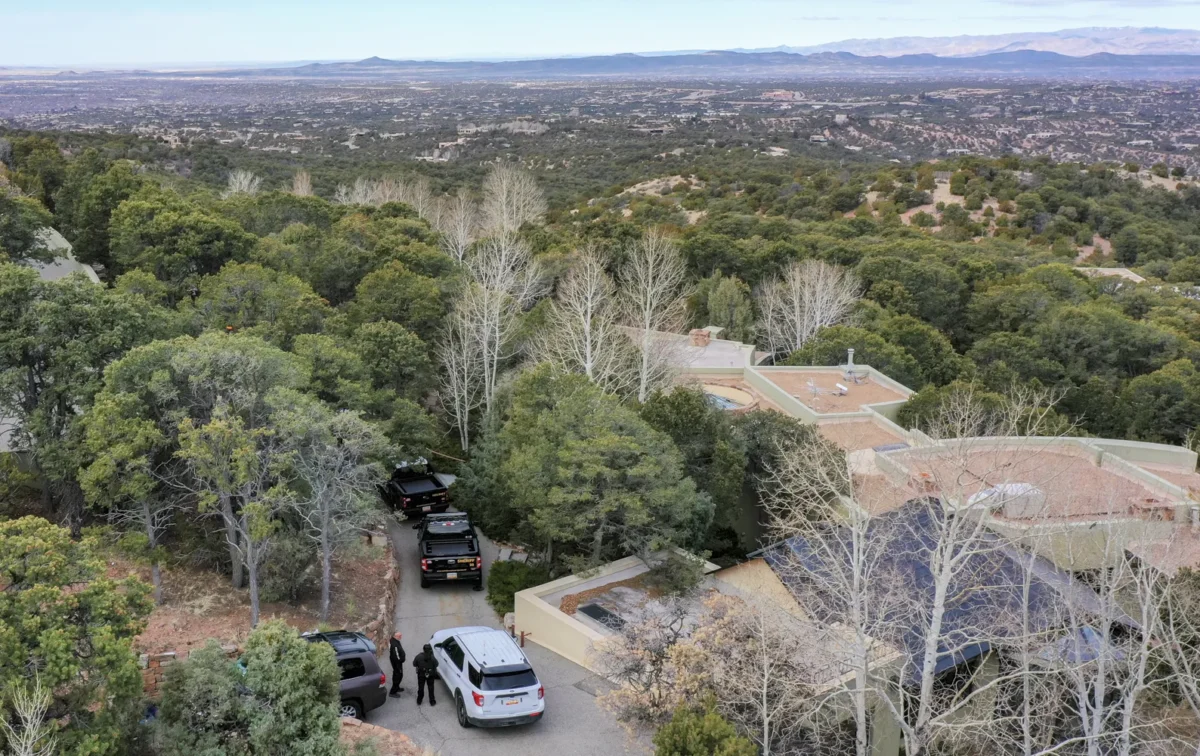
Authorities confirmed that Hackman, 95, died of heart disease on Feb. 18, likely unaware that his wife had passed away a week earlier due to his advanced stage of Alzheimer’s disease. His body was found in the home’s entryway.
Arakawa, 65, had succumbed to hantavirus pulmonary syndrome, a rare rodent-borne disease, a week earlier. Her body was found in the bathroom with an open prescription bottle and pills scattered on the bathroom countertop.
In her request, Peters had emphasized the possibly shocking nature of photographs and video documented in the investigation, and the emotional impact on the family if those visuals were widely disseminated by the media.
In addition to the visual materials, Peters' request also sought to block the release of autopsy reports from the Office of the Medical Investigator, as well as death investigation records from the Santa Fe County Sheriff’s Office.
Death investigations and autopsy reports are generally considered public records under state law. While experts say some medical information could not be considered public record under the state Inspection of Public Records Act, the judge’s recent order greenlights their release minus imagery of the deceased couple.
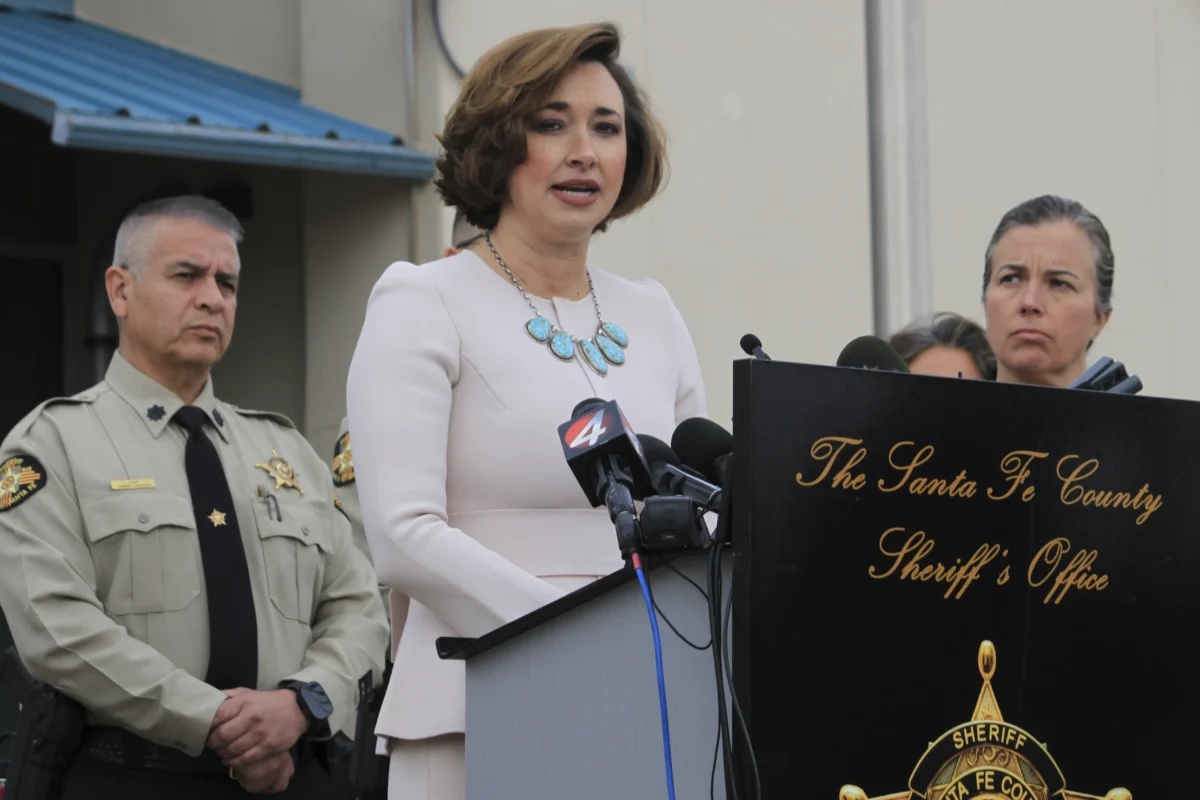
An attorney for the estate, Kurt Sommer, argued during Monday's hearing that the couple took great pains to secure their privacy throughout their lives, especially since Hackman’s retirement in the early 2000s. Sommer pleaded that the right to control the use of their names and likenesses should extend to their estate in death.
Susan Madore, a publicist who had worked with the Hackmans for years, testified that the couple relished living in Santa Fe—a known refuge for celebrities, artists, and writers who seek life away from the public eye.
Privacy concerns may also influence the estate’s administration. Probate court records indicate that Hackman’s 2005 will left his estate to Arakawa, while her will from the same year designated him as her beneficiary. With both deceased, estate management now falls to Peters.
A request is currently pending to appoint a trustee to oversee assets held in two trusts associated with the estate. Without public access to trust documents, the beneficiaries and asset distribution remain unknown.
Arakawa had no children, while Hackman is survived by three children from a previous marriage.