


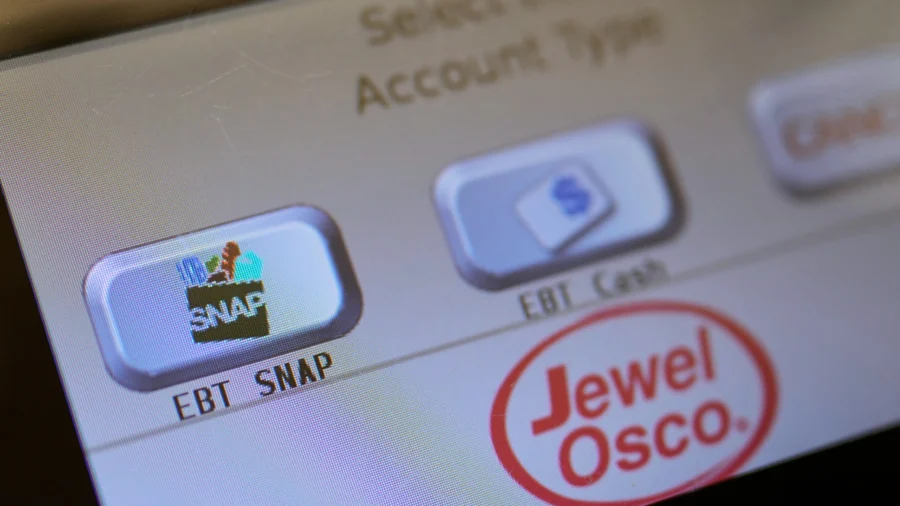
Millions of Americans receiving food assistance will face new limits on what they can purchase starting Thursday, as five states implement restrictions on sugary drinks and candy under a federal nutrition program overhaul.
The policy represents a shift from federal guidelines first enacted in 1964, which permitted SNAP benefits for "any food or food product intended for human consumption.” That policy was authorized by the Food and Nutrition Act of 2008. Previous exceptions applied only to alcohol, ready-to-eat hot foods, and tobacco.
The changes come amid a health initiative championed by Health Secretary Robert F. Kennedy Jr. and Agriculture Secretary Brooke Rollins.
"We cannot continue a system that forces taxpayers to fund programs that make people sick and then pay a second time to treat the illnesses those very programs help create," Kennedy said in a December statement.
Each state's waiver targets different products. Utah and West Virginia will prohibit SNAP purchases of soda and soft drinks. Nebraska extends its ban to include energy drinks alongside soda. Indiana's restrictions cover soft drinks and candy.
Iowa has enacted the broadest limitations, barring all taxable food items as defined by the Iowa Department of Revenue, with exceptions only for food-producing plants and seeds.
Earlier waiver requests were denied based on USDA research that found restrictions would be expensive and complex to implement, potentially failing to change purchasing habits or reduce obesity.
The Trump administration has actively encouraged states to seek waivers. Indiana Gov. Mike Braun framed his state's approach as innovative last spring.
"This isn't the usual top-down, one-size-fits-all public health agenda," Braun said. "We're focused on root causes, transparent information, and real results."
Retail industry representatives and health experts have raised alarms about the rollout. The National Retail Federation predicted longer checkout lines and increased customer complaints as beneficiaries discover which items are now prohibited.
"It's a disaster waiting to happen, of people trying to buy food and being rejected," said Kate Bauer, a nutrition science expert at the University of Michigan.
A report by the National Grocers Association and other industry trade groups estimated implementation costs at $1.6 billion initially, with $759 million in annual expenses afterward.
Research remains mixed on whether restricting SNAP purchases improves diet quality and health outcomes. Health experts worry the approach overlooks broader systemic issues.
"This doesn't solve the two fundamental problems, which is: healthy food in this country is not affordable and unhealthy food is cheap and ubiquitous," said Anand Parekh, chief policy officer at the University of Michigan School of Public Health.
The restrictions target chronic diseases including obesity and diabetes associated with sweetened beverages and treats, aligning with Kennedy's Make America Healthy Again initiative.
According to the USDA, at least 13 additional states have received waiver approvals with implementation dates throughout 2026. Colorado's soft drink restrictions begin March 1, followed by Oklahoma and Idaho in mid-February. Texas and Virginia will implement sweetened beverage and candy bans in April.
Florida's restrictions on soda, energy drinks, candy, and prepared desserts take effect April 20. Arkansas, Hawaii, North Dakota, South Carolina, Tennessee, and Missouri will implement various restrictions between July and October 2026.
Louisiana's waiver covering soft drinks, energy drinks, and candy begins Feb. 18.
The waivers run for two years with an option to extend for three additional years. Each state must assess the impact of the changes.
The federal SNAP program serves 42 million Americans and costs approximately $100 billion.