


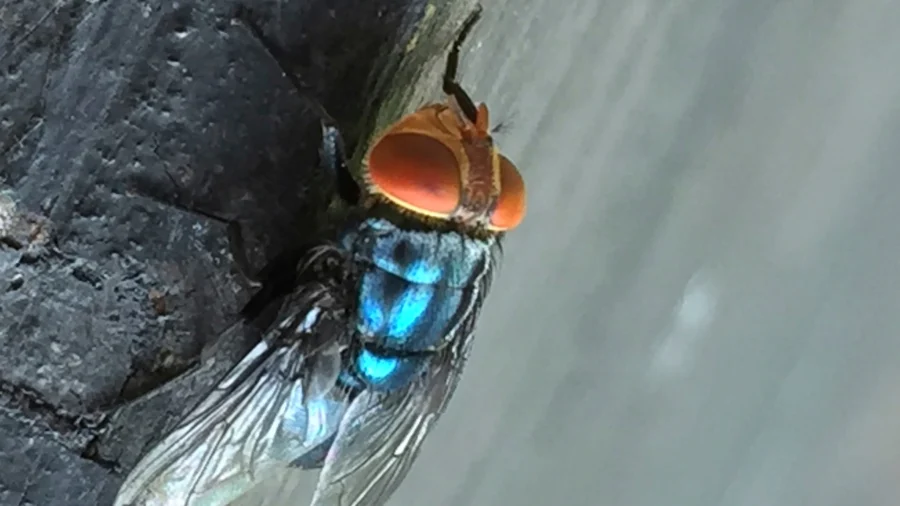
Two cases of New World screwworm in dogs have been confirmed in Texas and New Mexico, prompting veterinarians and animal welfare groups to urge pet owners to closely monitor their animals.
This comes as more than 30 cases have been confirmed in animals in both states since the parasite was first detected in a beef calf in Texas on June 3.
Veterinarians and animal welfare groups are urging pet owners, especially in affected areas, to regularly check animals for cuts, wounds, and bites, as even small injuries can become sites of infestation.
New World screwworm infestations begin when female flies lay eggs in open wounds or body openings. After hatching, the larvae burrow into tissue and feed for about a week before leaving the infected animal to continue their life cycle.
USDA says signs of infection in animals can include irritated behavior, head shaking, a foul odor, and maggots in wounds. A parasitic infection can lead to severe tissue damage and can be fatal if it’s untreated.
For pet owners, animal health experts say they should seek veterinary care if they notice larvae, unusual odors, swelling, irritation, or animals repeatedly focusing on one area of their body.
Melissa Stansell, a veterinarian with Austin Pets Alive!, said animals may show signs of discomfort by repeatedly looking at or chewing a specific area of their body.
Humane society officials and veterinarians say shelters across Texas are using prescription flea and tick medications to help prevent infestations in animals. They recommend pet owners follow the same approach.
“It will kill the larvae as they ingest the blood and tissue,” Stansell said. “The chemical compositions of those products are what kill the actual larval stages of these flies.”
Aaron Grady, executive director of the Houston Humane Society, warned that injuries as small as a tick bite can become areas where screwworm larvae develop.
FDA Authorized Emergency Treatment for Pets
On June 11, the U.S. Food and Drug Administration (FDA) authorized the emergency use of a generic drug called nitenpyram to treat New World screwworm infestations in dogs and cats.The authorization allows the tablets to be used in dogs and puppies, and in cats and kittens, weighing at least 2 pounds and at least 4 weeks old. The FDA said the treatment is the first generic animal drug authorized specifically for New World screwworm.
Eradicating Screwworm Fly
The United States eradicated New World screwworm in 1966 through a sterile insect program that releases sterile male flies to reduce reproduction.The USDA has restarted the decades-old eradication strategy that releases sterile male flies into affected areas, preventing females from producing viable eggs and reducing the population, and is expanding sterile fly production after years of relying on a facility in Panama.
The agency invested $21 million to convert a site in southern Mexico for screwworm fly production and plans to build a $750 million sterile-fly facility in Texas, expected to open next year.