


One of the platform promises that New York City Mayor Zohran Mamdani campaigned on was granted this week by the local Rent Guidelines Board (RGB).
The independent panel of mayoral appointees, known as the RGB, approved a rent freeze for people living in some 1 million rent-stabilized apartments.
Mamdani, a Democrat, called it “a historic victory for New York City tenants.”
“This is the relief that working people across our city deserve,” he said.
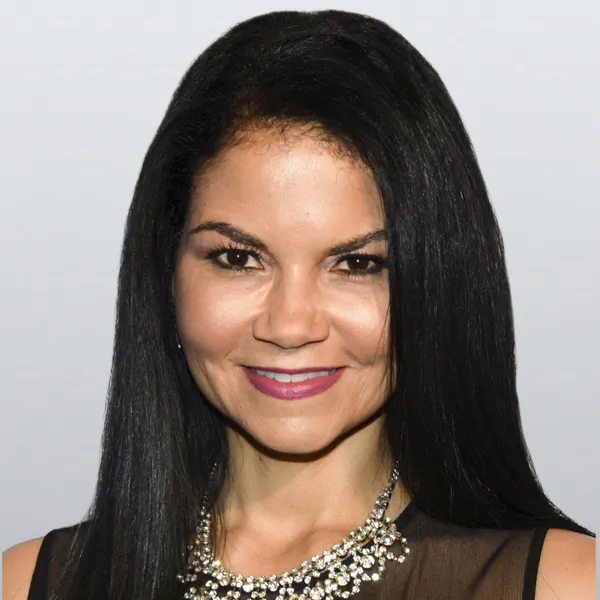
However, an RGB appointee representing landlords stepped down on June 25, alleging that the board’s autonomy had been undermined.
Former RGB member Christina Smyth was appointed by former mayor Eric Adams in March 2022.
“The Rent Guidelines Board has stopped being a fact-finding body,” Smyth wrote in her resignation letter. “It has become a body that starts with an answer and vibe codes its way backward to justify it.”
The RGB votes each year on the maximum allowed rent increase and the 2026 freeze applies to both one-year and two-year leases.
About 40 percent of the city’s housing is privately owned while being subject to rent stabilization, and some 2 million people live in them.
Mamdani isn’t the first mayor under whom stabilized rent was frozen.
Former Mayor Bill de Blasio was successful in the endeavor; however, under Adams, the RGB rolled back the freeze with a 3 percent increase on one-year leases and up to 4.5 percent on two-year leases.
Prior to being elected mayor, Mamdani lived in a rent-stabilized apartment with his wife in Queens.
Now, they live in Gracie Mansion, an 11,000 square foot compound on the Upper East Side that has housed New York City mayors while they are in office since 1942.
Mamdani won the Democratic primary for mayor on June 24, 2025, after defeating political heavyweights such as former New York governor Andrew Cuomo and Lander, who was city comptroller at the time. When Cuomo ran as an independent, Mamdani defeated him a second time on Nov. 4, 2025, and was inaugurated in 2026.
Real estate groups complain that rent freezes squeeze landlords, creating financial challenges in completing both routine maintenance and repairs due to inflation and other rising costs.
Ultimately, rent regulation leads to higher rental costs for non-stabilized units, according to critics.
“This will only result in more dilapidated housing and potentially more foreclosures and bankruptcies, which the city is wholly unprepared for,” said New York Apartment Association CEO Kenny Burgos.
The New York Apartment Association is a landlord lobbying group.