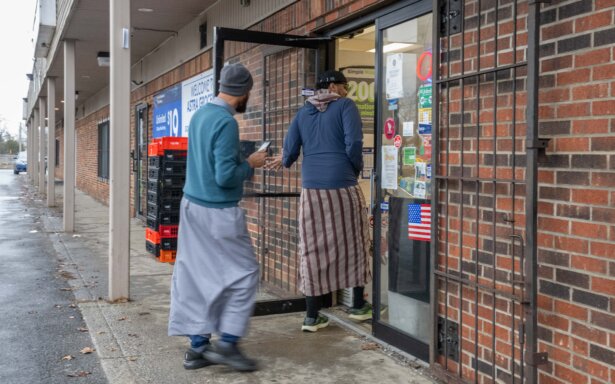

After months of rumblings that Ohio could be a hub for Somali fraudsters—somewhat like scandal-plagued Minnesota—new revelations have thrust the Buckeye State into the national spotlight.
Recently disclosed reporting, which raises suspicions about networks of immigrants reaping massive Medicaid dollars through in-home care, also heightened alarm among lawmakers in Ohio and launched a federal investigation. The state is home to America’s second-largest Somali population, behind Minnesota.
On May 7, after Daily Wire published the third installment of an Ohio-focused series, “Medicaid Millions,” Ohio Sen. George Lang told The Epoch Times: “The report is deeply concerning and something we need to investigate thoroughly. Ohio should always be looking for ways to eradicate waste, fraud, and abuse in government, and I’m committed to doing just that.”
Ohio Medicaid expenditures gained national notice May 4 after Vice President JD Vance posted some findings from Daily Wire journalist Luke Rosiak on X.
He zeroed in on Ohio, and learned the state spent $1 billion on home health care in 2024, the most recent year available.
To find out where that money went, Rosiak spent two months in the state’s capital, Columbus.
Under “waivers,” Medicaid has authorized payments to 47 states, including Ohio, for non-medical services such as cooking, cleaning, and companionship.
When people are paid large sums of Medicaid money to simply “hang out” with their relatives, those expenditures are “dubious,” Rosiak’s report said.
Some in-home providers received millions of taxpayer dollars, yet Rosiak said he traced their addresses to “desolate,” apparently unoccupied, office spaces.
Stephanie O’Grady, spokeswoman for the Ohio Department of Medicaid, told The Epoch Times via email: “Some of the entities mentioned in the [Daily Wire] series are no longer Ohio Medicaid providers or have not billed Medicaid in several years.” Others remain under investigation, she said.
However, on a single road in Columbus, Rosiak reported he found seven nearly empty buildings that were supposed to house 288 home-health businesses; combined, they billed Medicaid for $250 million between 2018 and 2024.
During a May 7 interview, radio host Glenn Beck asked Rosiak: “How much of this is illegal?”
Rosiak replied that, in his opinion, “A large portion of it is fraud.” However, verifying the possible fraudulent amounts is difficult because “it’s happening in people’s private residences,” Rosiak said.
Thus, authorities would have trouble substantiating: “Were you really hanging out with your family member that day?” Rosiak said.
Concerns Over Potential Abuse
O’Grady confirmed to The Epoch Times: “Ohio Medicaid waivers allow relatives to be paid caregivers.”Those people “must enroll, meet training and eligibility standards, and provide care under an approved plan,” as required by the Ohio Administrative Code, she said.
During a May 8 interview, Ohio state Rep. Josh Williams of Toledo told The Epoch Times that a parallel situation exists in Ohio’s childcare system, too.
After looking into citizens’ concerns about daycare late last year, he found a common scenario: A daycare center will hire two or three women who are mothers of several children apiece. “And the only children that the daycare watches are the children of the employees, and then the employees are paid minimum wage by the daycare provider,” Williams said. Thus, the daycare bills the government for these women to watch their own children and their relatives’ children.
Laws and rules currently allow such an arrangement, he said, adding, “Ohio does not have any cap on how many of the daycare children are allowed to be children of the employees or the daycare provider.”
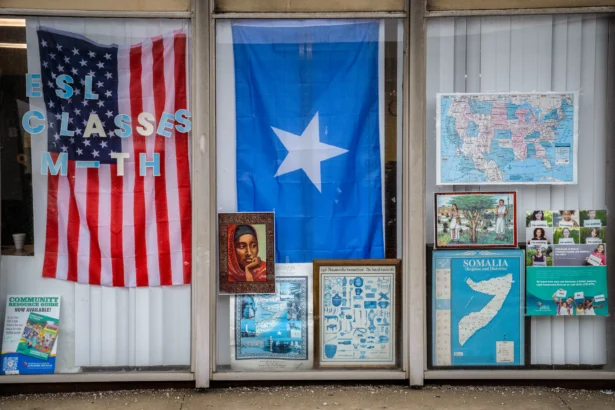
A number of the businesses under scrutiny are Somali-run, Williams said, but he said people of other ethnicities also take advantage of the government programs' weaknesses.
Earlier this year, a Somali daycare worker told The Epoch Times that her employer was paying parents to keep their children at home instead of bringing them to the center.
Lawmaker Seeks Support
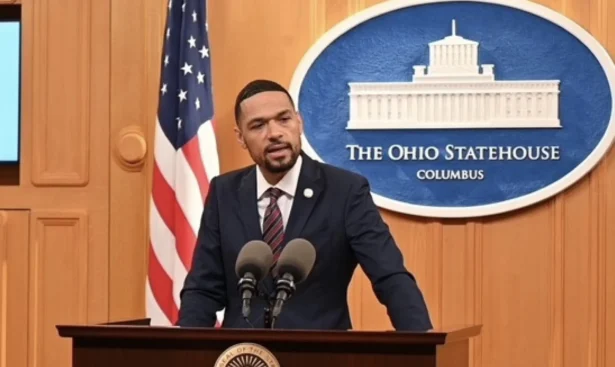
Ohio Auditor Keith Faber said in a May 8 X post: "The headlines may be new, but the problems are not."
The auditor said he is glad the issues are "finally getting attention," but he has been talking for months "about the need for stronger oversight and better accountability in Ohio's pubic benefits system."
"We owe it to taxpayers to keep digging, keep asking questions, and keep fighting fraud, waste, and abuse," he said.
Meaningful government-program reforms will occur only if the public continues pressing for them, Williams said.
He is seeking support for two bills he sponsored, aiming to close gaps in the state’s anti-fraud safety net for daycare and health care programs.
Ohio House Bill 795 calls for using “current technology to provide location data” that verifies health care providers show up to assist the person who needs help, Williams said. The system resembles that which ride-provider Uber uses.
While opponents denounce this proposed monitoring as a government intrusion on privacy, Williams responds: “All we're saying is that ... to be approved to be a Medicaid provider, you must use some form of location tracking of your employees.”
That bill, Ohio House Bill 795, is known as the “Safeguarding Healthcare Integrity through Electronic Location Data (SHIELD) Act.”
Ohio House Bill 649, the Child Care Fraud Prevention Act, originally called for video surveillance to verify each child’s attendance at daycare centers. Lawmakers amended the proposal in response to opposition, he said.
The bill now calls for use of facial-recognition programs to verify a child’s presence at the daycare center; it uses the same technology now used to verify parents’ faces, he said.
Solution Proposed
Because exploitation of U.S.-government-funded benefits is a problem across the nation, a patchwork of state laws will prove ineffective in the long run, he said.To solve the issue, “the federal government has to install conditional funding with very strict requirements,” Williams said.
O’Grady said Ohio has already taken key steps to prevent people from taking advantage of Medicaid.
The state enacted additional Medicaid guardrails earlier this year, and began working on data-analyzing tools to help identify suspicious billing patterns or business-ownership connections, she said.
Further, she said, the state is committed to working with President Donald Trump’s administration to protect taxpayer dollars.
O’Grady defended “legitimate” in-home care services, which cost “half much as placement in a nursing facility.”
Therefore, O’Grady said, “Ensuring access to appropriate home-based care is both a responsible use of public resources and a critical part of meeting the needs of our most vulnerable Ohioans.”