


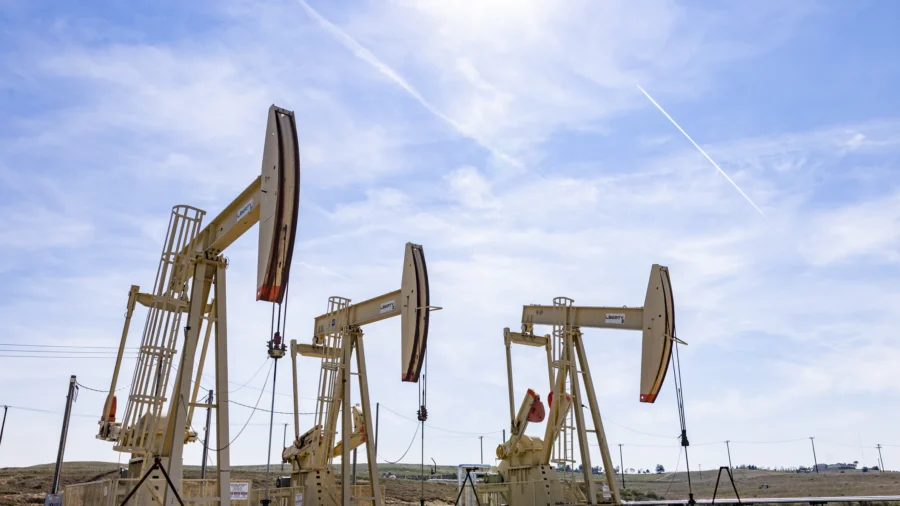
Crude oil prices are forecast to stabilize at around $70 per barrel by the year’s end, according to a new Energy Information Administration report released on March 10.
Global energy markets have been highly volatile this month since the conflict in Iran began, as the Strait of Hormuz, a vital global artery for oil and natural gas, has been effectively shut down.
Brent, the international benchmark for oil prices, surged above $115 a barrel in overseas markets to kick off the trading week.
Likewise, a barrel of West Texas Intermediate also hit $115 on the New York Mercantile Exchange.
Both contracts have since plummeted, declining about 25 percent to around $85 per barrel.
Despite the sharp decline, it could take some time for oil prices to return to the pre-war level of $67, says the Energy Information Administration’s latest Short Term Energy Outlook.
Brent is expected to slide below $80 per barrel in the third quarter, then ease further to around $70 by year-end.
But the forecast depends on the duration of the Iranian conflict and the resulting outages, the federal agency noted.
Producers have either accelerated sales or halted production as storage capacity reaches its maximum level.
“Middle East producers are now cutting oil production as storage facilities fill up," Ipek Ozkardeskaya, senior analyst at Swissquote Bank, said in a note emailed to The Epoch Times.
"Saudi Arabia is reportedly selling more oil for immediate delivery, whereas they normally prefer long-term contracts—meaning they’re trying to feed the market as fast as they can."
Still, once crude flows through the narrow waterway are restarted, global output will outpace consumption, “resulting in global oil inventories increasing by an average of 1.9 million barrels per day (b/d) in 2026 and by 3 million b/d in 2027,” the Energy Information Administration noted.
Additionally, higher prices could also lead to increased U.S. production.
"We expect U.S. crude oil production will average 13.6 million barrels per day (b/d) in 2026 and rise to 13.8 million b/d in 2027," the report stated. "Our 2027 forecast is 0.5 million b/d higher than last month’s forecast."
Oil prices are projected to average around $64 per barrel next year—firmly above breakeven.
Geopolitical risks have had little impact on U.S. natural gas prices.
Like oil, the energy commodity dropped about 4 percent on March 10 to around $3 per million British thermal units (Btu).
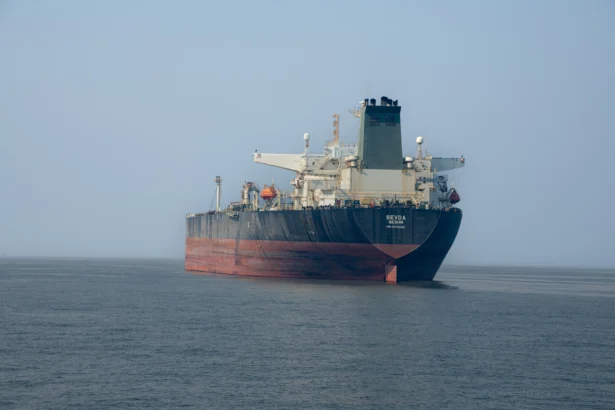
The flow of liquefied natural gas (LNG) through the Strait of Hormuz has been significantly affected and is likely to harm Asia and Europe.
However, domestic prices will be "relatively unaffected by this development."
Officials forecast an average price of $3.80 per million British thermal units—13 percent lower than the February forecast.
The downward revision was driven by milder-than-forecast temperatures that left more natural gas in U.S. storage than initially anticipated.
Next year, prices will average close to $3.90, which is also 12 percent lower than the previous month's estimate.
"Lower prices in 2027 mostly reflect more associated natural gas production as a result of the recent increase in oil prices and the related increase in production later in the forecast," the outlook stated.
U.S. natural gas output is predicted to average 121 billion cubic feet per day and 124 billion cubic feet per day in 2027.
Betting on Resolutions
The massive reversal in energy markets could suggest that investors expect the conflict to subside and that passage through the Strait of Hormuz will be restored soon.“If Iran does anything that stops the flow of Oil within the Strait of Hormuz, they will be hit by the United States of America 20 times harder than they have been hit thus far,” Trump said.
Tehran has not closed the area, but traffic has been at a standstill due to insurance companies canceling coverage or commercial oil and gas tankers being reluctant to traverse the artery.
Speculation that nations could tap into emergency supplies also eased pressure on markets.
The International Energy Agency was scheduled to hold a meeting with North America, European, and Asian countries on March 10 to discuss the potential release of strategic petroleum reserves.
In total, they collectively maintain approximately 1.2 billion barrels of oil in reserves.
But while oil prices are plunging, motorists could still experience pain at the pump.
The national average price for a gallon of gasoline reached almost $3.54 on March 10, up 62 cents from a month ago, according to the American Automobile Association.
"Although we expect most of the gasoline price increase to be passed through to the retail price in the coming weeks, we also expect that the normalization of refining and retail margins will occur more slowly," the Energy Information Administration said.
"The net effect will be continued upward pressure in the second quarter that lags behind the initial increase."